

Certificate in Social Justice
The certificate in social justice supports undergraduates interested in social justice by giving them a foundation in the theory and practice of social change while creating a learning community in which together they can explore ideas and possible career paths.
This interdisciplinary certificate puts the spotlight on social scientific disciplines’ contributions to:
- our understanding of social systems and structures that generate injustices
- our critical analysis of the efficacy of social movements and policies that aim to redress those injustices
- our visions of more just futures
Top Green College
(Princeton Review, 2025)
No. 46 among public universities in the country
(U.S. News & World Report, 2026)
5 Nobel Laureates
Since 1989

Develop connections while exploring numerous opportunities to be mentored by successful social innovators from Boulder and elsewhere

Gain hands-on experience developing plans for new social enterprises or implementing solutions within existing organizations
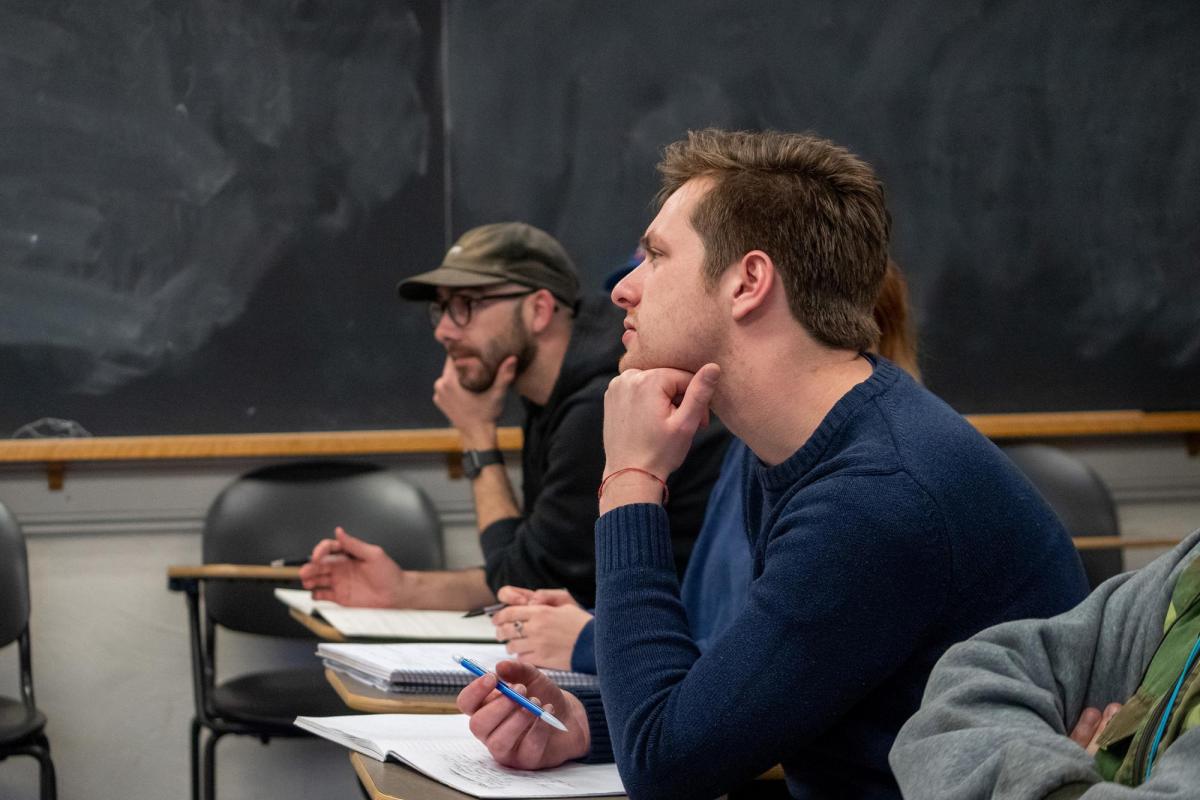
Put your education into practice for societal problems identified through your studies, or by mentors and other experts
Academic Plan & Requirements
Degree-seeking and non-degree-seeking students may obtain the certificate in social justice. To earn the certificate, students must complete a minimum of 12 credit hours.
Course topics include:
- Organizing for Social Change
- Anthropology
- Care, Health and Resilience
- Economy
- Environment and Population
- Government
- International Affairs
- Society