Skip to Content

University of Colorado Boulder
Anthropology

Main menu

  • Home
  • Subdisciplines
  • Undergraduate
  • Graduate
  • Courses
  • News & Events
  • People
University of Colorado Boulder
Search

Search

Other ways to search:

  • Events Calendar
  • Campus Map

Anthropology

College of Arts and Sciences
Anthropology

Main menu

  • Home
  • Subdisciplines
  • Undergraduate
  • Graduate
  • Courses
  • News & Events
  • People

Secondary Menu

  • Job Opportunities
  • Alumni Updates
  • Connect
  • Donate

Mobile menu

  • Home
  • Subdisciplines
  • Undergraduate
  • Graduate
  • Courses
  • News & Events
  • People
  • Job Opportunities
  • Alumni Updates
  • Connect
  • Donate

ANTHROPOLOGY

Anthropology is the study of humans and our biological relatives across time and space. It is the only field to address the diversity of the human experience in its biological, cultural, and historical contexts. We see our long-term vision as a department that addresses and analyzes social, biological, and environmental problems. We have identified four broad themes that address these problems and potential solutions in ways that cut across the subdisciplines: ecology and evolution; human responses to local and global crises; cultural, ethical, and political practices of worldmaking; and collaborative and public anthropology. In 2019, our department was ranked 3rd (tied) in the country for AAU public universities by Academic Analytics based on our scholarly output.

Anthropology Departmental Vision/Mission Statement Anthropology Departmental Commitment to Diversity, Equity, and Inclusion

Explore the Anthropology Subdiscipline Programs
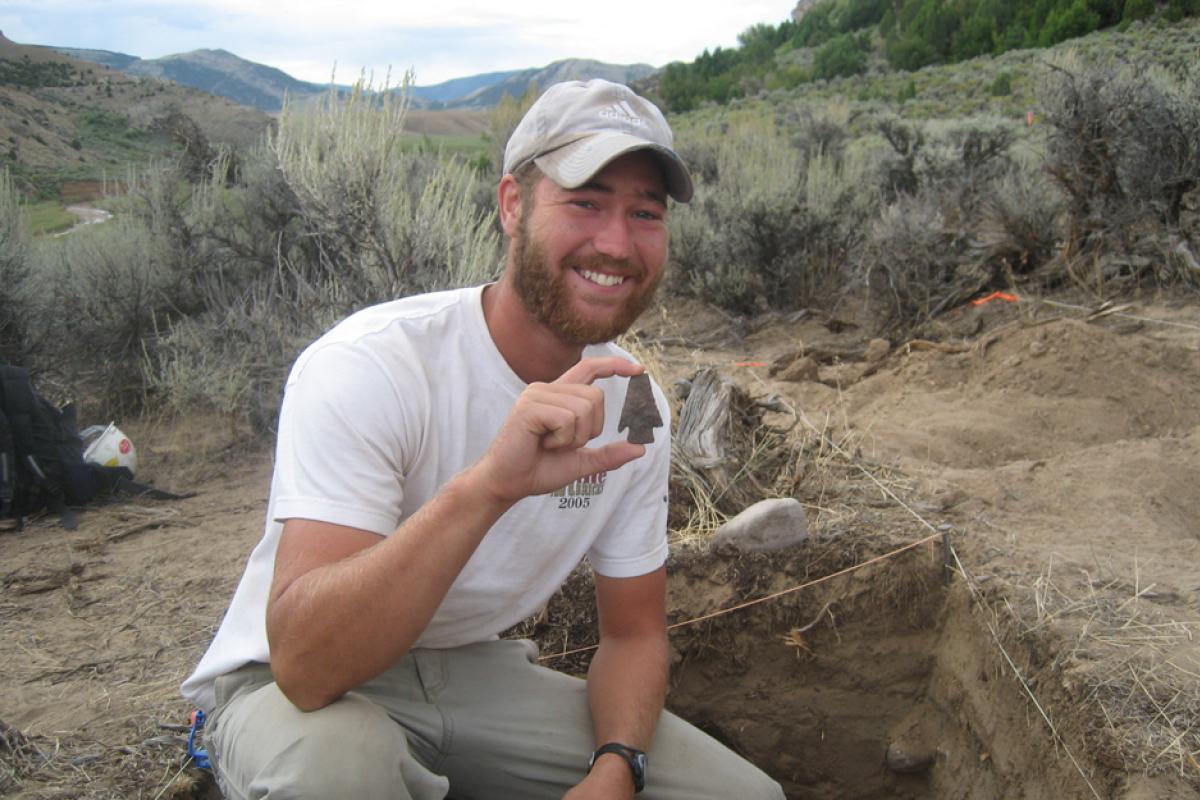
Lance Holly holding an arrow head in the field

Archaeology

The archaeology subdiscipline provides continuous geographic coverage of ancient societies from the Plains of North America through the Southwest and Mesoamerica to the Intermediate Area. The native societies we focus on range from egalitarian hunter-gatherers through middle-range societies to the city-states and empires of Mesoamerica. The faculty’s theoretical and topical interests include human ecology, ethnoarchaeology, agency, and social theory, lithic and ceramic analyses, remote sensing, disasters in ancient and modern times, and geophysical applications in archeology

More about Archaeology

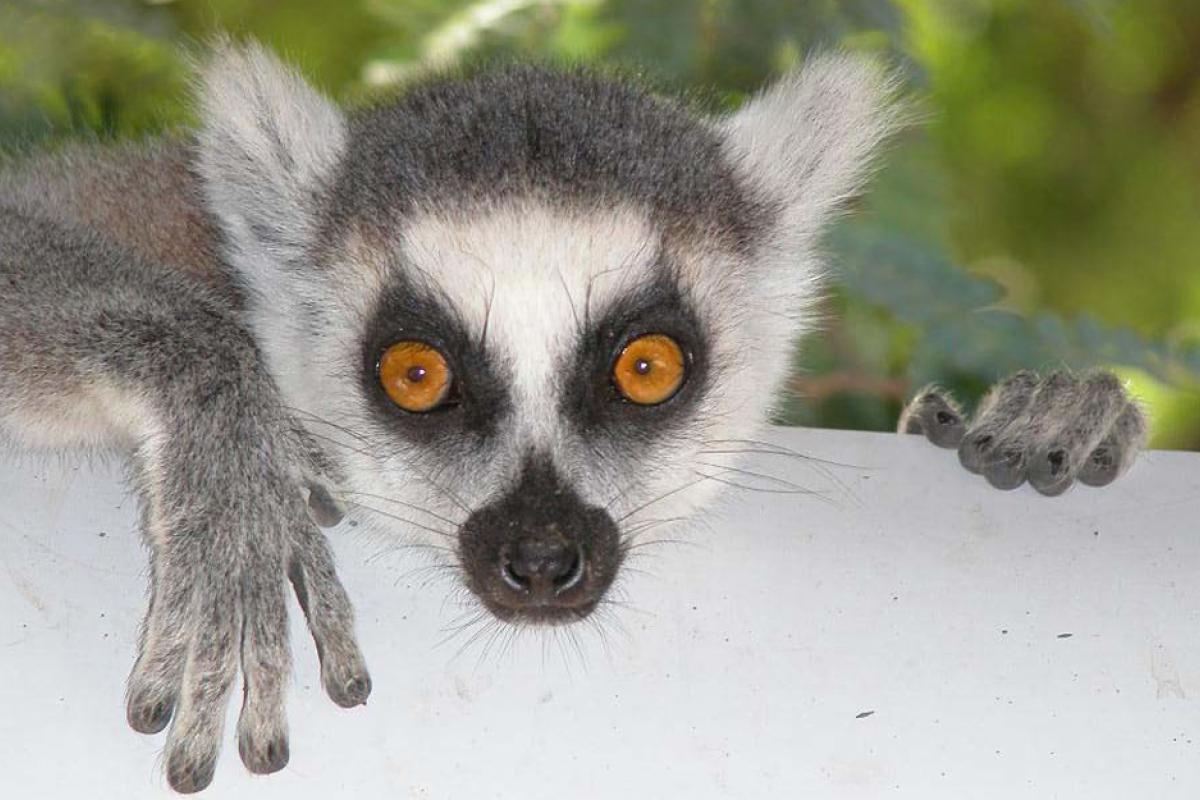
Baby Catta monkey

Biological Anthropology

The biological anthropology faculty at CU have interests and research strengths that cross subdisciplinary boundaries and foster collaboration with faculty and graduate students in other disciplines and sub-disciplines. We share an interest in human ecology, the broad integrative area of anthropology that focuses on the interactions of culture, biology, and the environment. We also share an interest in the processes of globalization, which are rapidly changing many aspects of the modern world. As biological anthropologists, we are well-positioned to analyze the impact of globalization on the interaction between biology and behavior, and to analyze human and primate adaptations to changing environments and declining biodiversity.

More about Biological Anthropology

Picture of a Chinese women in formal dress

Cultural Anthropology

Among the topical interests of the cultural anthropology faculty are gender and sexuality, culture and power, modernity and consumption, kinship and relatedness, tourism and popular culture, medical anthropology, science and technology studies, human and political ecology, pastoralism, conservation and sustainability, museums, semiotics, concepts of “care,” nationalism and ethnic identity, racial constructs, post-colonialism, refugees and citizenship, and history and memory. Areas of regional expertise in the department include Latin America and the Caribbean, Native America, East Asia, South Asia, Southeast Asia, Tibet, East Africa, Scandinavia, Eastern Europe, and Papua New Guinea, as well as their respective diasporas around the world.

More about Cultural Anthropology

Why Study Anthropology?

Study anthropology if…

  • You want to understand what it means to be human through time, from our earliest ancestors, and across the many cultures of the world.
  • ​You want a different view of the world.
  • You want to hear the voices of other peoples who share this world with us, but whose lives are often far different from our own.
  • You want a global perspective.

Anthropologists get to ask and answer the big questions about humanity. Who are we? Where do we come from? Where are we going? If these questions – and many other questions about humanity interest you, study anthropology!


Congratulations Graduates

Commencement 2021

Anthropology Featured Courses Fall 2021

ANTH 4470/5470

Collections Research in Cultural Anthropology

ANTH 7600

ANTH 7600 Promo Slide Featuring an African Sunset in the Background

Human Ecology: Theoretical Approaches to Human/Environment Relationships

Department News

Margaret Mead Book Cover

Emeritus Professor Paul Shankman's Book Margaret Mead Published by Berghahn Books

Announcing Emeritus Professor Paul Shankman's new book Margaret Mead - available now from Berghahn Books... Read more
CAORC logo

Will Taylor Receives CAORC - National Endowment for the Humanities Senior Research Fellowship

Will Taylor Receives CAORC - National Endowment for the Humanities Senior Research Fellowship. The CAORC-NEH... Read more
Maasai herder using a cell phone

Terry McCabe's Maasai Research Featured in The Conversation

Research into how Maasai in Tanzania use their phones shows how dialing errors can also... Read more
More Department News
Upcoming Virtual Events

Home


  • Facebook
  • Instagram
  • Twitter
  • Vimeo

Anthropology

1350 Pleasant St, 233 UCB, Boulder, CO 80309-0233

About CU Anthropology 

Hale Science 350   303-492-2547   303-492-1871
Anthropology Department   Anthropology Graduate Studies

Department Planning Calendar
Department Resources

RSS Feed


University of Colorado Boulder

University of Colorado Boulder
© Regents of the University of Colorado
Privacy • Legal & Trademarks • Campus Map

Return to the top of the page