


Daniel Strain
 Researchers are exploring the tale of two online communities and their response to COVID-19: the r/Coronavirus and r/China_flu discussion boards on the social media site Reddit.
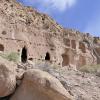 Today’s modern cities, from Denver to Dubai, could learn a thing or two from the ancestral Pueblo communities that once stretched across the southwestern United States. For starters, the more people live together, the better the living standards.
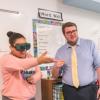 A new online master’s degree program seeks to support Colorado's teachers so that they'll stay in the classroom.
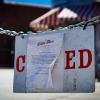 David Bortz is a member of Colorado's COVID-19 Modeling Team, a group of researchers from across the state who have assembled to get in front of the coronavirus.
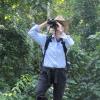 As the wilds around Joanna Lamberts research sites in Africa and North America have vanished, the conservation biologist has struggled to keep hopeful amid the losses.
 Researchers have discovered an elusive phase of matter, first proposed more than 100 years ago and sought after ever since.
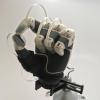 Jacob Segil is working to bring back the sense of touch for amputees, including veterans of the wars in Iraq and Afghanistan.
 Issues in vulnerable communities—including a lack of reliable access to internet or home computers, food and housing insecurity, and digital privacy concerns—have been highlighted by the pandemic.
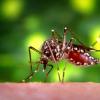 What can researchers do when their mathematical models of the spread of infectious diseases don’t match real-world data?
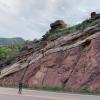 A team of geologists is digging into what may be Earth’s most famous case of geologic amnesia.