


Daniel Strain
 Anna Pusack was an undergraduate studying astrophysics when she helped to discover a surprising phenomenon: a previously-unknown class of dust spraying out from around the sun.
 “What slashers do is they carve into the world and balance the scales of justice," says horror writer and CU Boulder Professor Stephen Graham Jones. His newest book, "My Heart is a Chainsaw," is in bookstores now.
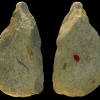 Humans living about 400,000 years ago produced an unprecedented diversity of elephant bone tools, including pointed tools for carving meat and wedge-shaped tools for cracking open large femurs and other long bones.
 Engineers have developed the most efficient device to date for counting single photons, or the tiny packets of energy that make up light.
 Hundreds of millions of years' worth of rocks have gone missing from the Grand Canyon's geologic record. Geologists are trying to discover why.
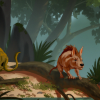 The new species, mouse- to cat-sized ancestors of today's hoofed animals like cattle and deer, offer scientists a new window into what the American West looked like just after the extinction of the dinosaurs.
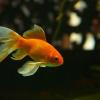 Want to swim with the fishes? New research unravels what makes fish fins so strong yet flexible at the same time.
 Experts answer your questions about the delta variant of the coronavirus—from whether vaccines lose their efficacy over time to how common breakthrough cases are among the vaccinated.
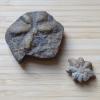 A new study tackles one of the oldest questions in the history of the planet: How did living organisms get so big?
 A new variant of the virus that causes COVID-19 is now behind nearly 90% of the cases in the state. Researchers from CU Boulder talk about this new player in the pandemic and whether vaccinated people should continue to wear masks in public.