

Labs & observatory
To help researchers and students with their work, two labs and an observatory are located on the station's campus and another lab high up on the alpine tundra. All are open year round, have WiFi access, and are configured for both research and teaching. Services include printing, library, classrooms, meeting center, herbarium, insect collections, and more.
Reservations are required. Contact the Station Manager at least three business days before your arrival at the MRS. Cancellation of a reservation within 2 weeks of your intended use may result in a fee. Users will be invoiced after their stay, and payments are due within 30 days. See user fees for latest costs.
John W. Marr Alpine Laboratory

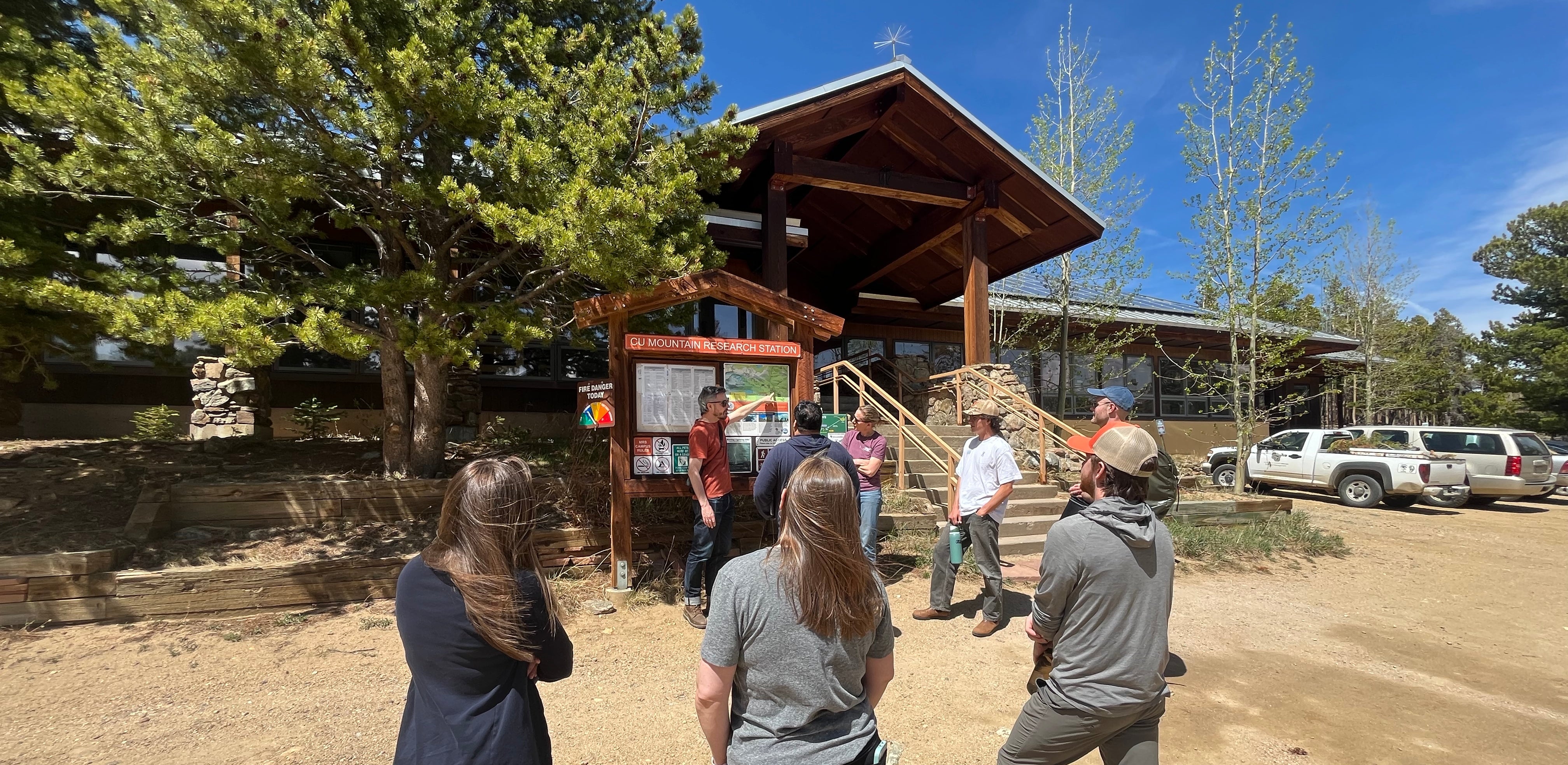
The John W. Marr Alpine Laboratory is the largest and most prominent research building on campus. Often referred to as the Marr Lab, it is open throughout the year and serves as the main administrative center of the MRS 8am-4pm M-F.
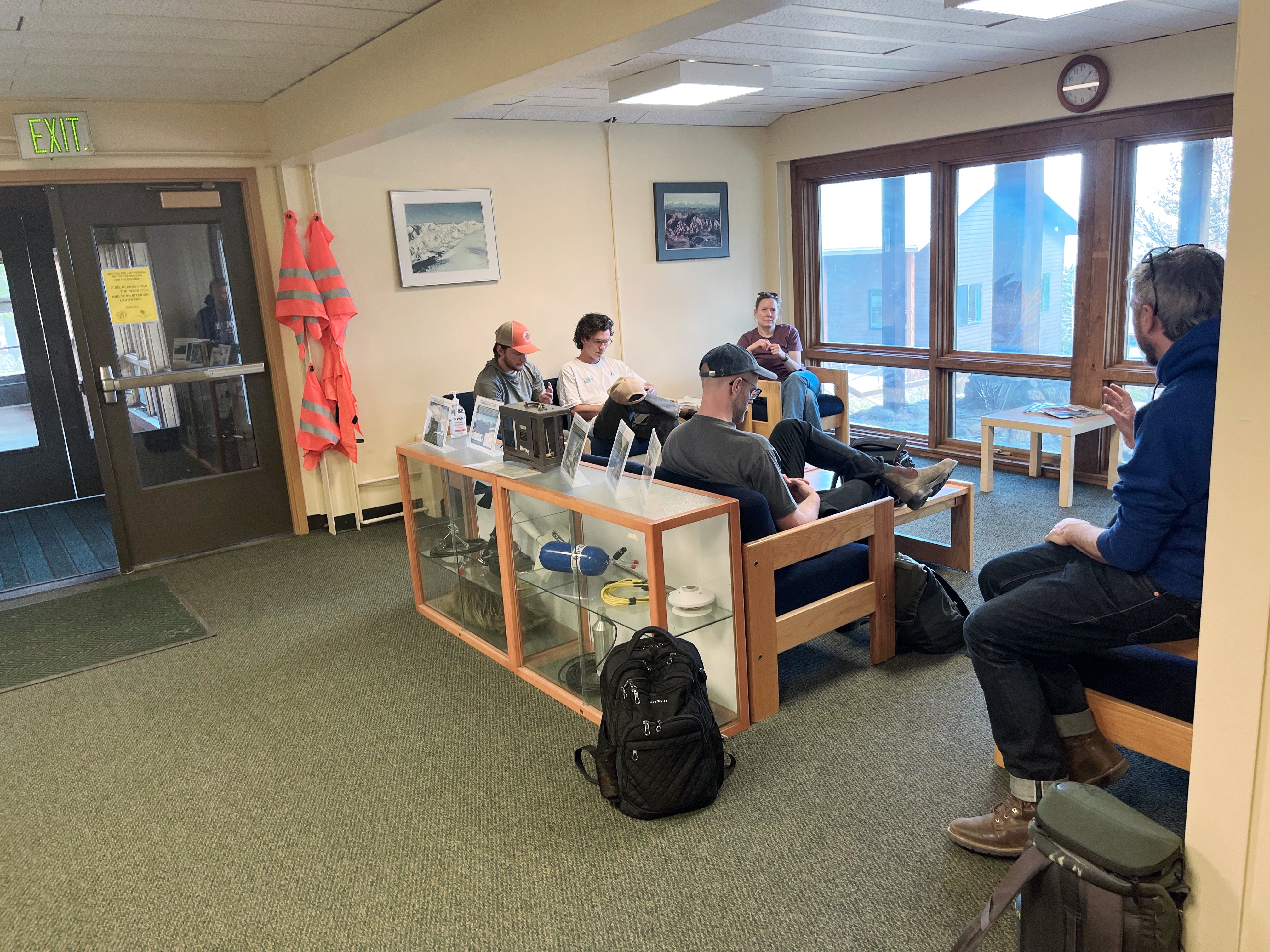
The offices of our Station Manager and Station Director are connected to the entrance lobby. Also in the lobby are a natural history display, and the Columbine Bookshop where you can purchase MRS gear like t-shirts and hats The bookshop is open upon request and only accepts cash or check (no credit cards).
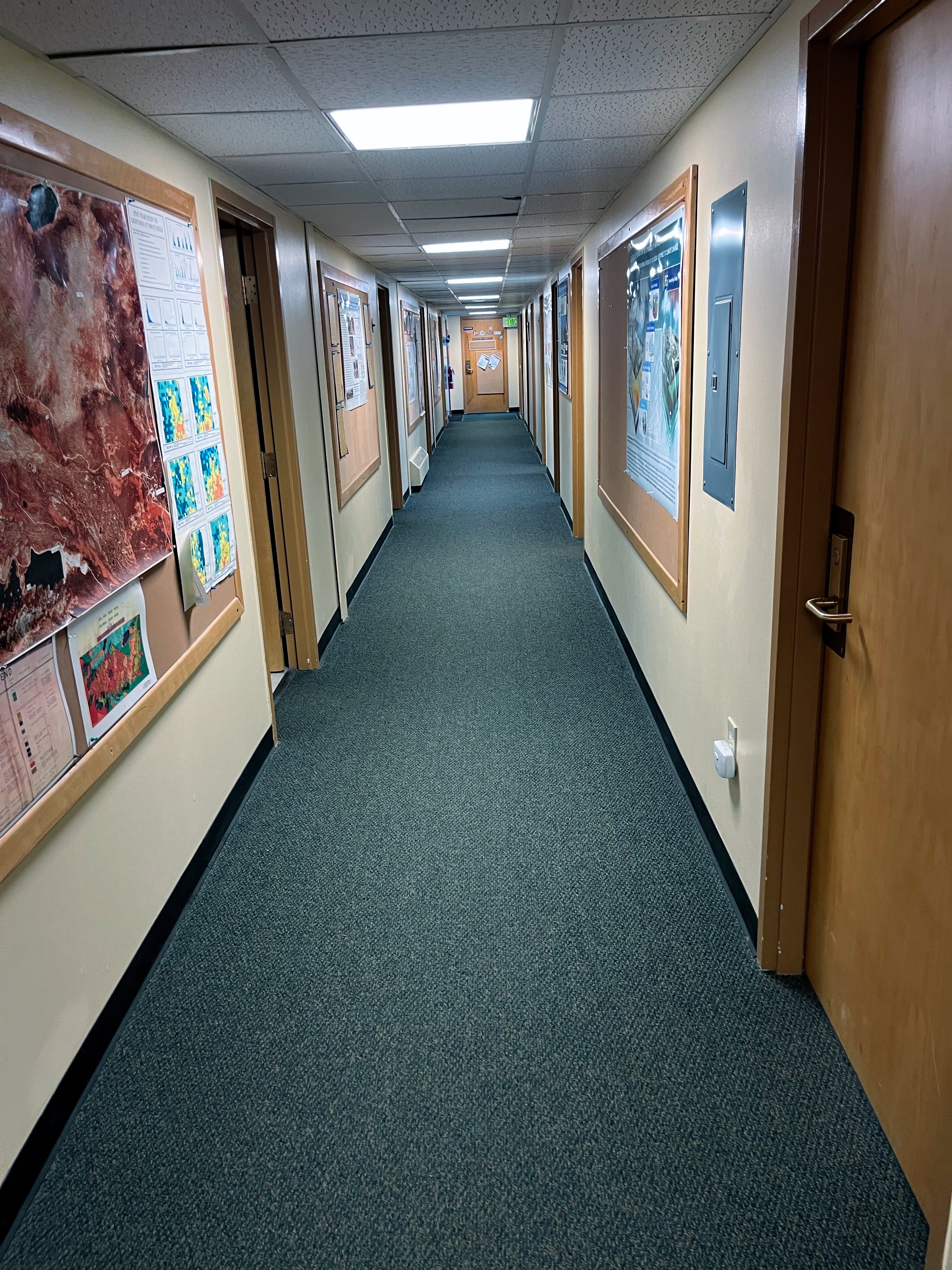
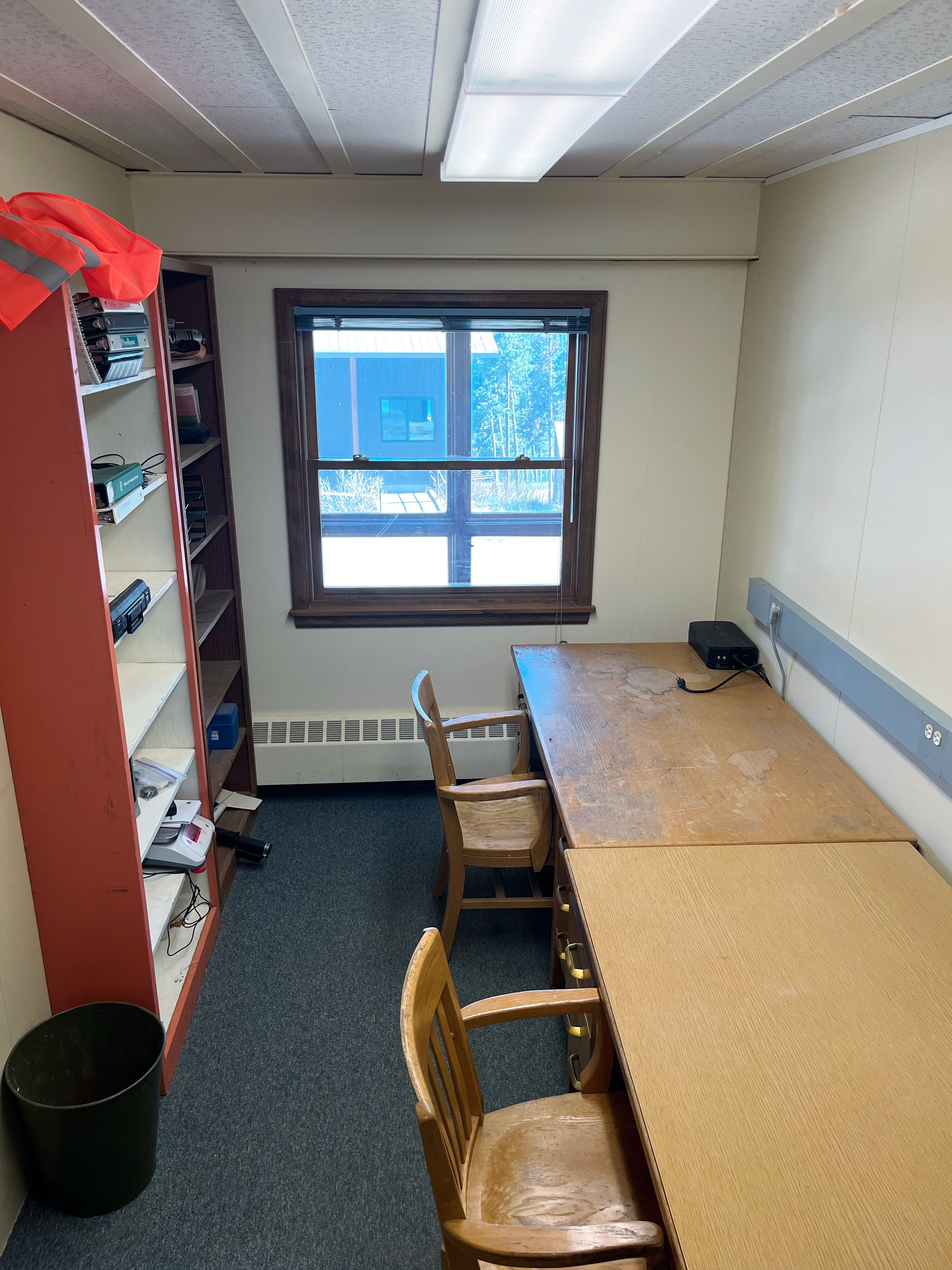
The Marr lab includes lab rooms and private offices for fieldwork preparation and sample processing as well as a seminar room with a capacity for 15 people. These rooms and offices are available to rent. The building has WiFi access throughout.
Open year round.




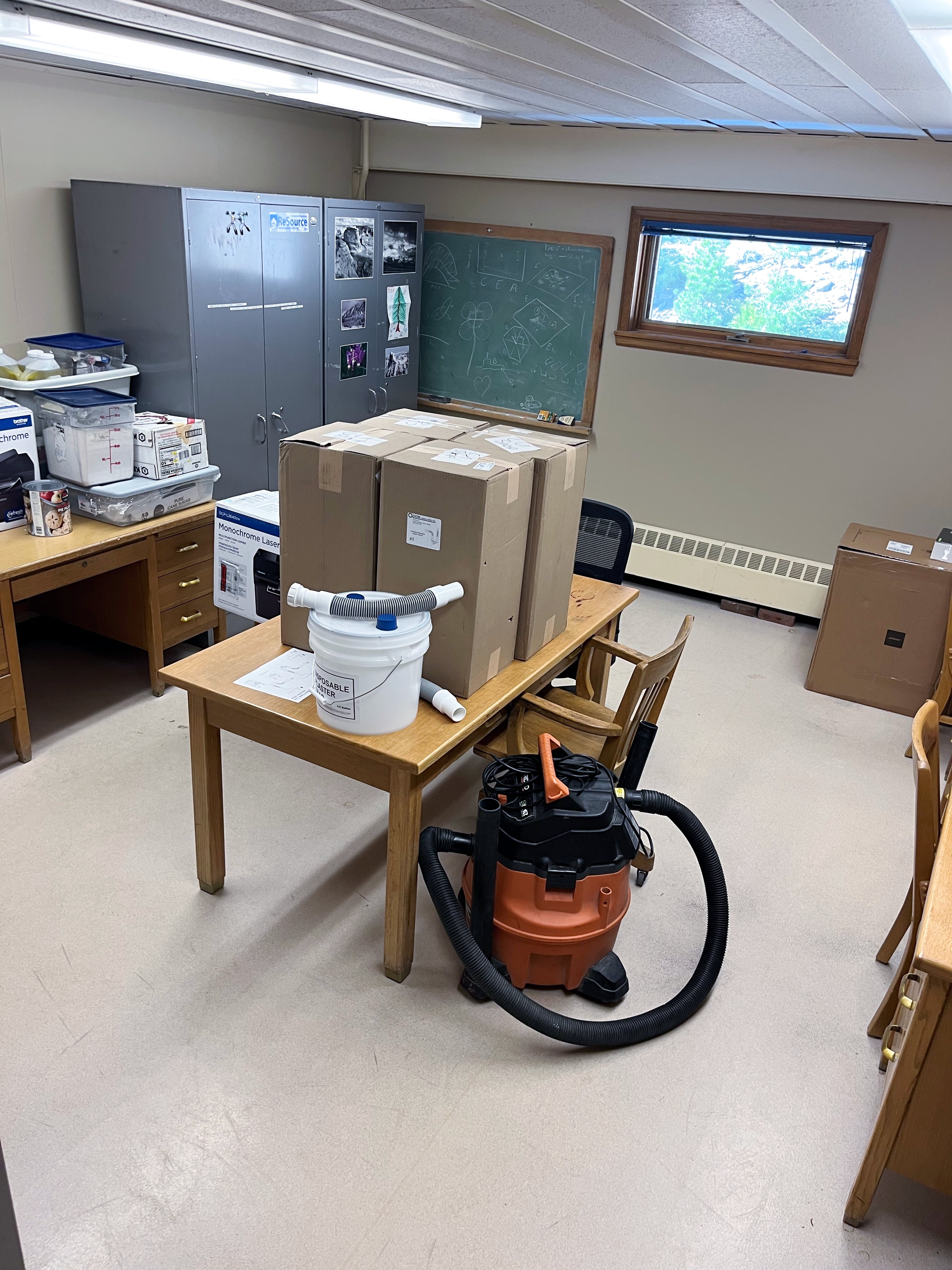

Kiowa classroom & lab

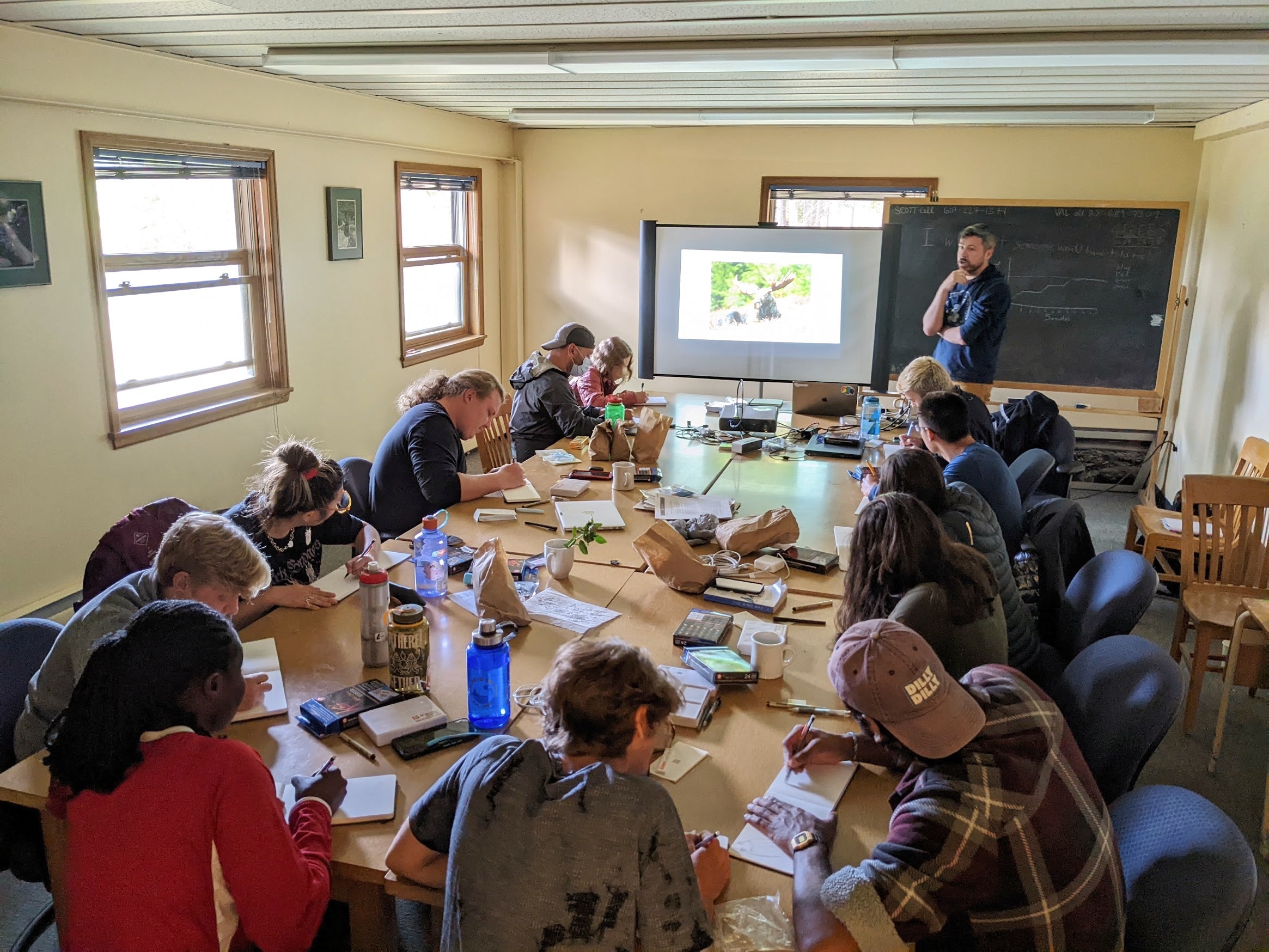
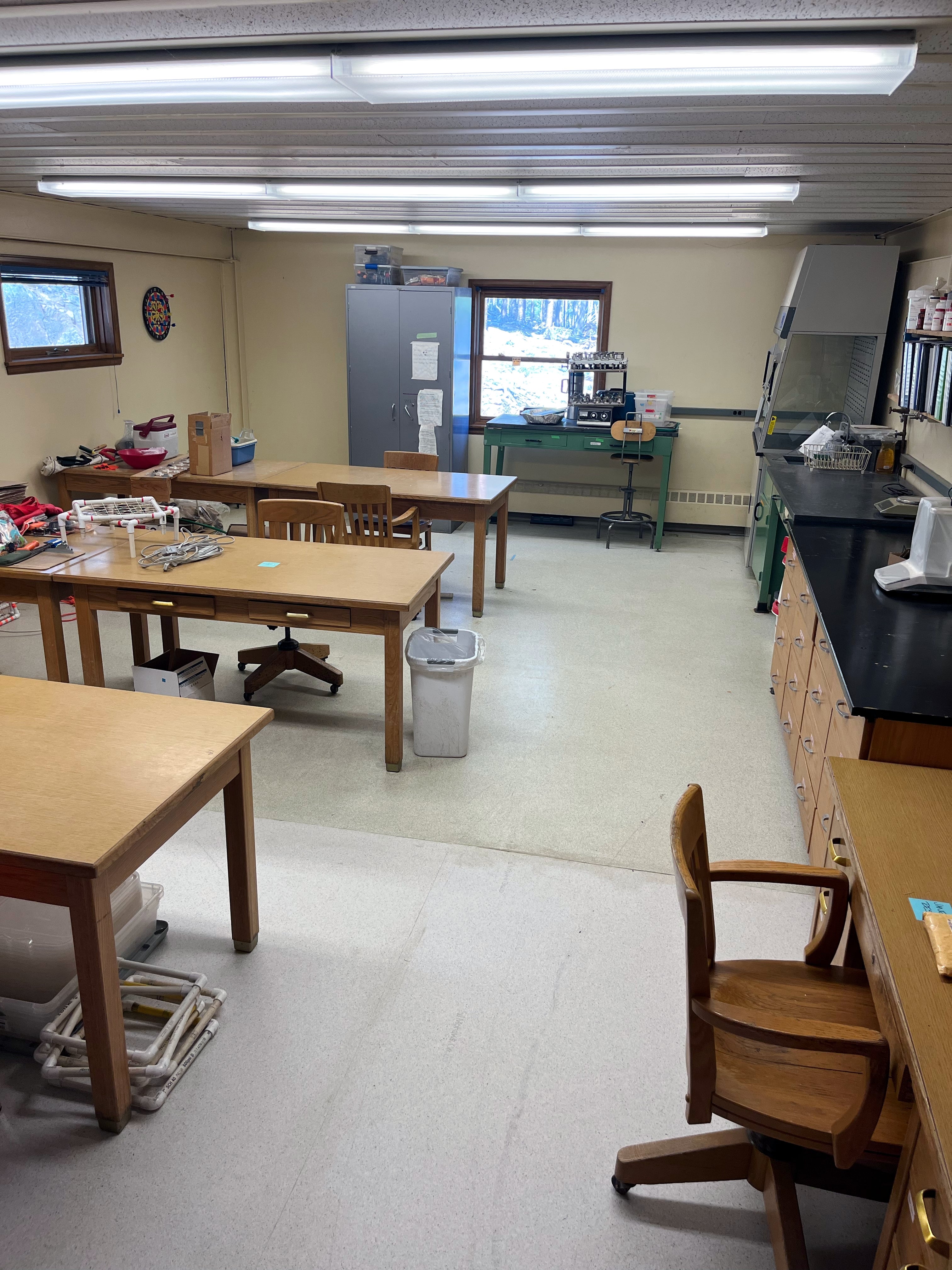
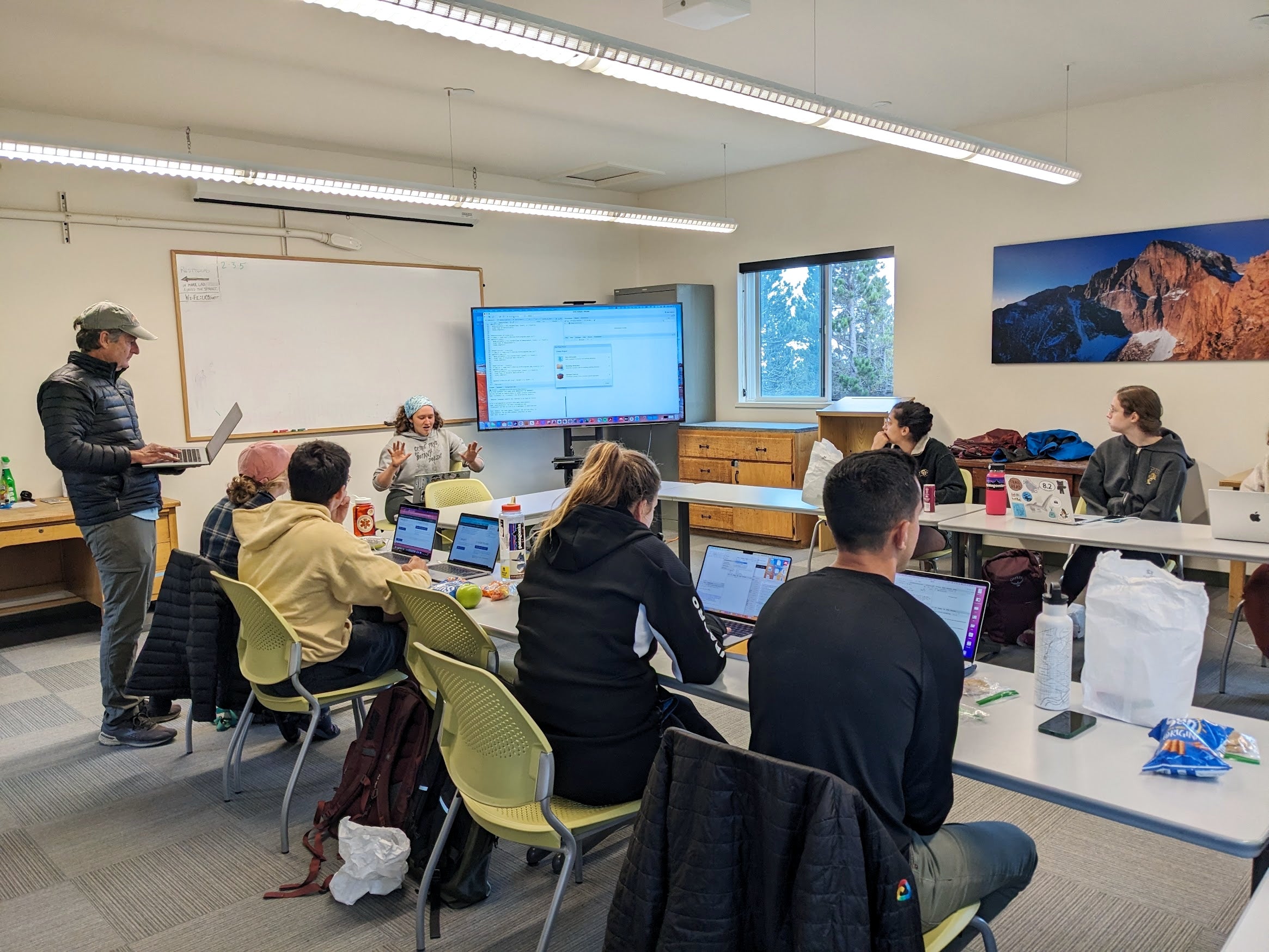
The Kiowa classroom and lab are a combined space designed for student instruction. Located directly across from the Marr Lab, the Kiowa building contains a classroom and a lab that can be reserved independently or as a combined classroom/lab teaching space.
The classroom has a capacity of 24 students and features a pull-down projector and WiFi access. The laboratory has 15 lab stations, 3 sinks, a deionized water source and WiFi Access.
Open year round.




Tundra Lab

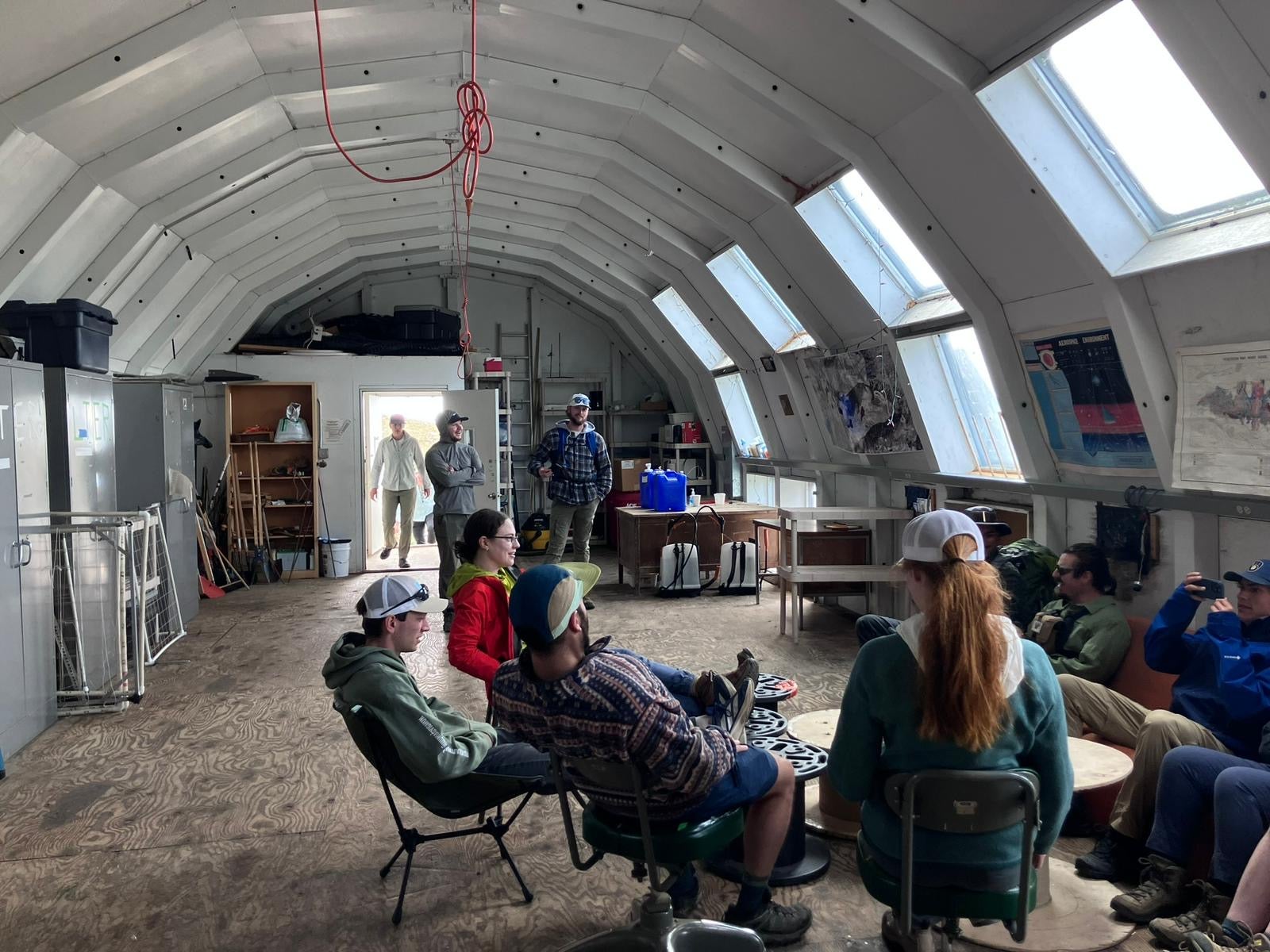
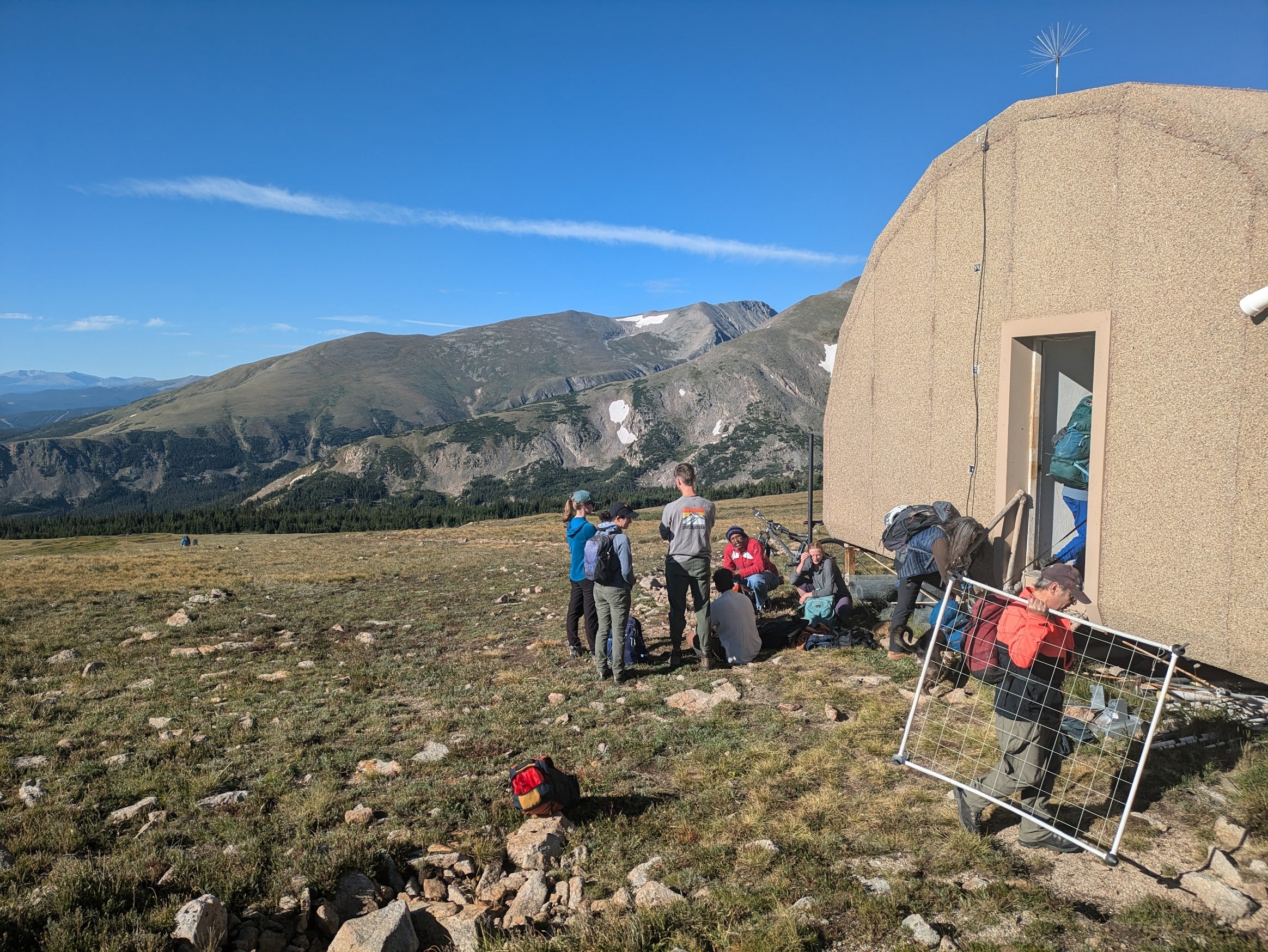
Researchers preparing to enter the Tundra Lab
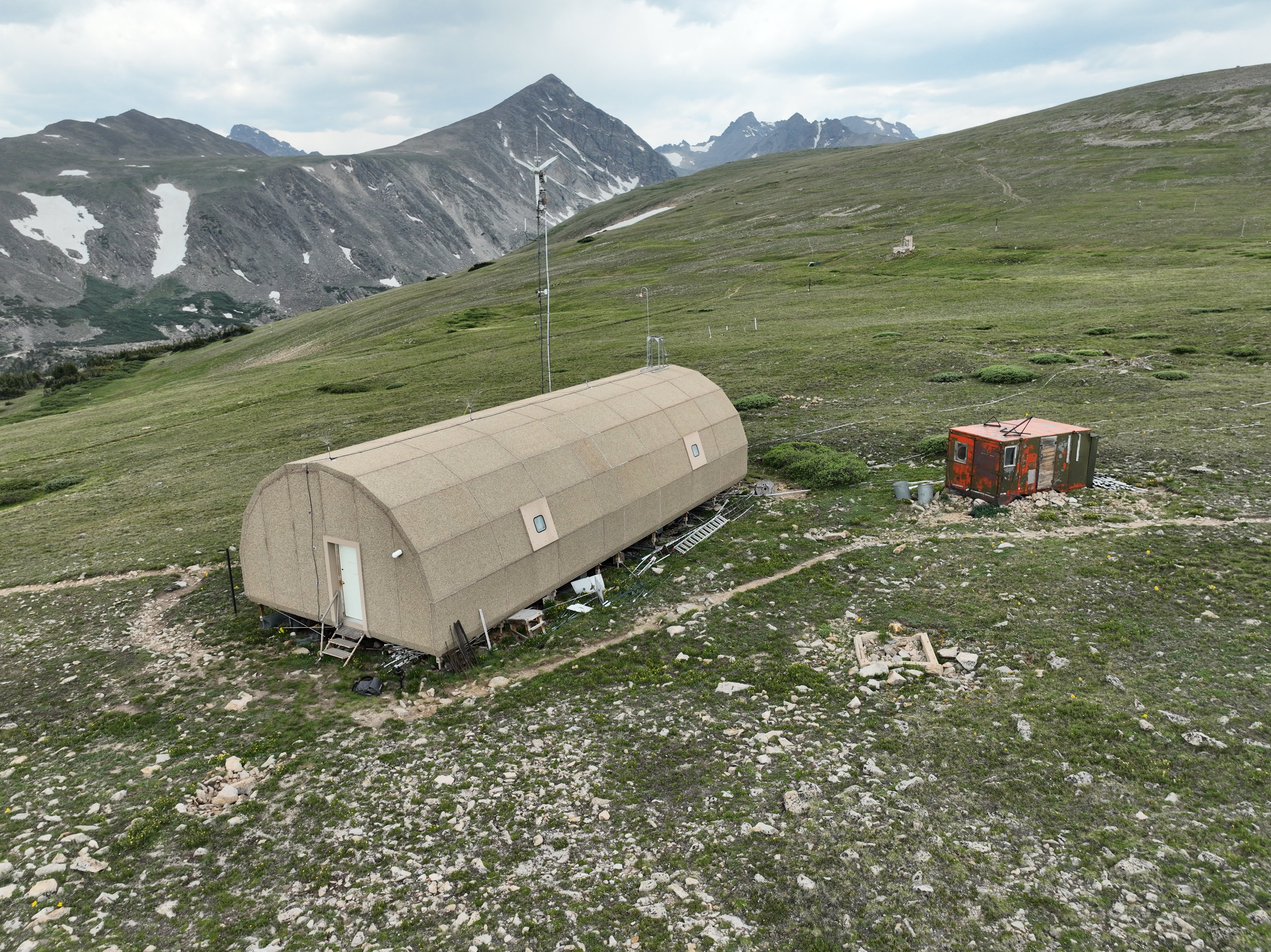
The Tundra Lab is located far above the station's campus, on the south side of the Saddle research site at 11,575 ft (3528 m) elevation. It serves as a staging area for research in all weather conditions.
The Tundra Lab is only accessible on foot. It is designed for researchers doing work on Niwot Ridge, primarily serving as shelter from summer hail, lightning storms, winter snow and extreme winds during field observation and data collection in the alpine. The lab's footprint is 10,000 sq ft (930 m2).
The lab has AC line power, solar power, and fiber optic data lines. The Tundra Lab cannot be reserved, please contact the station manager with your specific research needs to learn about access.
Want to get a look at current tundra conditions without the strenuous trek? Check out our TundraCam (hosted on the Niwot Ridge LTER website). It's mounted high on the tower next to the Tundra Lab and is steerable by website visitors. If you cannot connect, please try again later. The cam is sometimes temporarily offline due to damage from the extreme winds and weather conditions.
Open year round.



Alpine Observatory

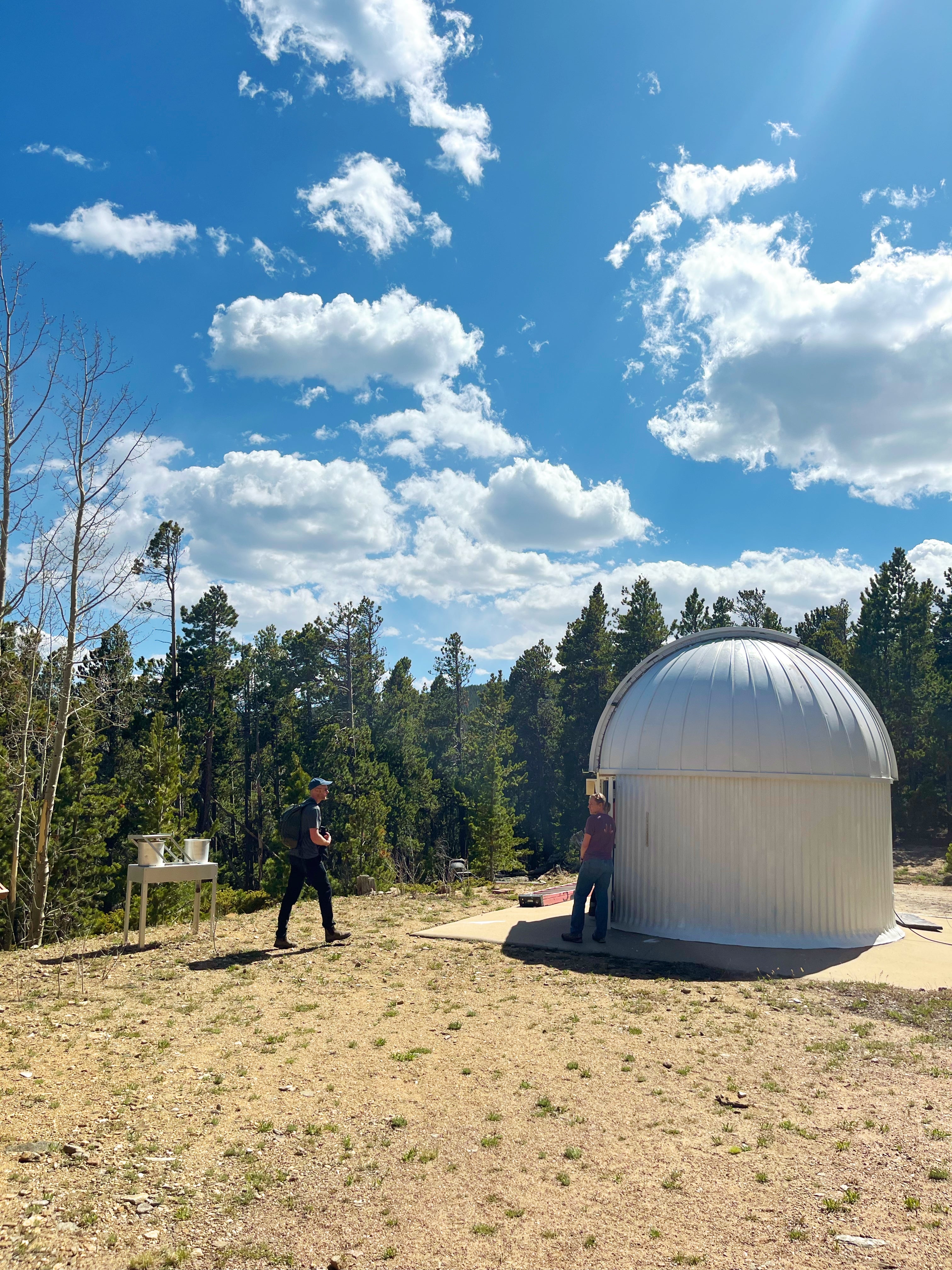
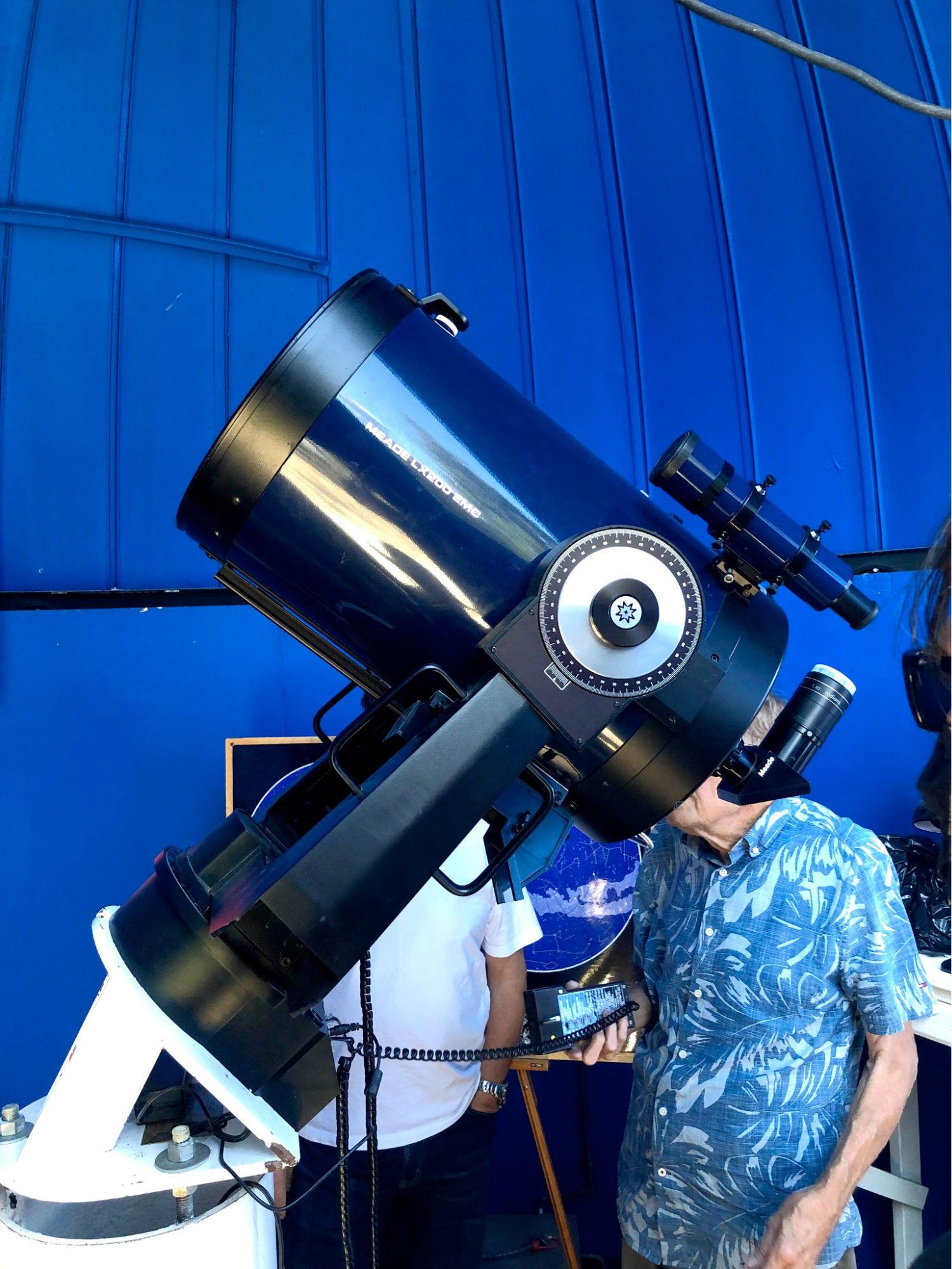
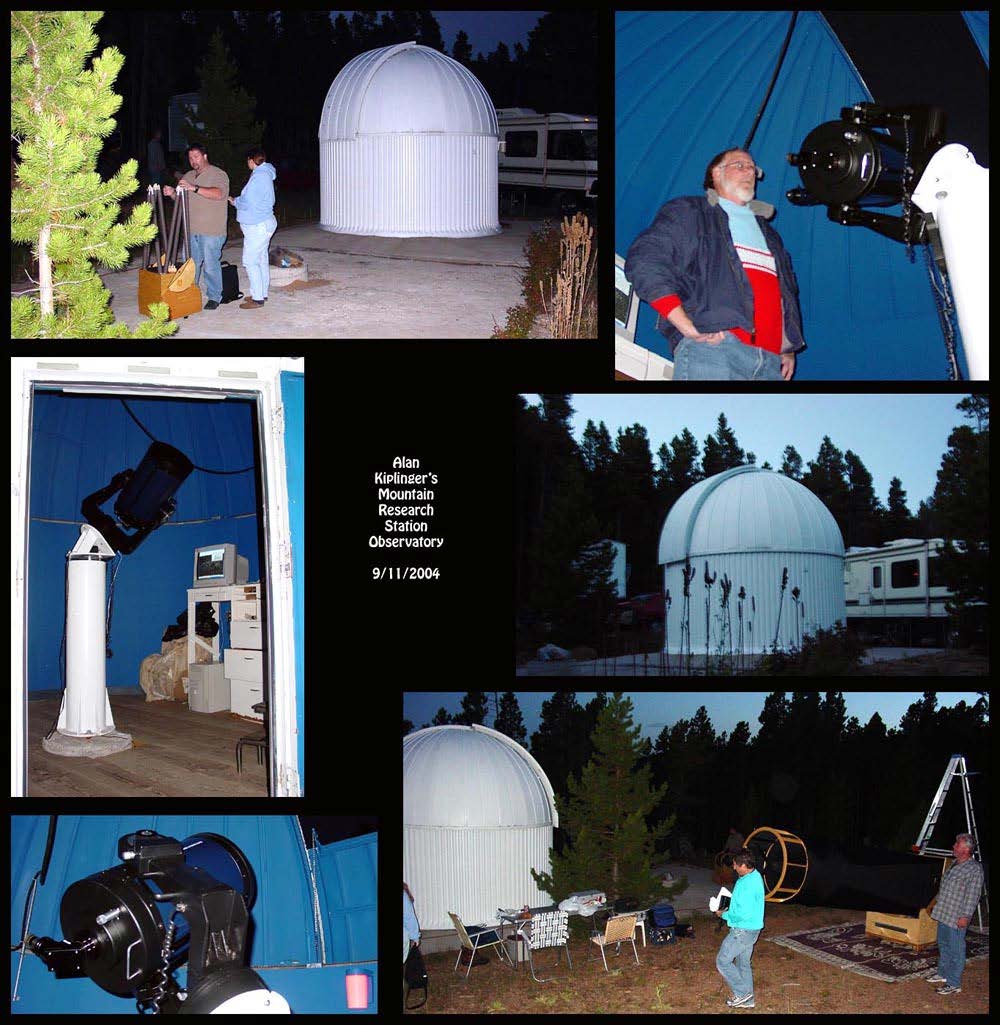
The dark nighttime skies observed at the MRS make it an excellent site for both casual star-gazing and scientific observation. The Alpine Observatory is on the station's campus and available for various research and outreach activities.
The observatory is being upgraded to a 16” telescope in summer 2026. It will be outfitted with an H-alpha filter for solar viewing, and accessible WiFi. The telescope's imaging quality is equal to the power of a telescope with a mirror at least twice as large located in a light-polluted city.
The telescope is sophisticated yet simple enough to operate that undergraduates can use it. On evenings when the public has been invited to visit the observatory, additional, portable telescopes are set up.
Open year round
Want to see more facilities?
Learn how our infrastructure can support your research and education goals, enabling you to live and work in a high-elevation montane setting.
Laboratory space, classrooms, housing, and dining services are all located within a compact, walkable campus.