

INSTAAR’s most read news stories of 2025
It’s officially 2026, which means the Institute of Arctic and Alpine Research is celebrating its 75th year as an institute. In honor of the occasion, we’re launching an anniversary webpage, putting on an event series, and launching a fundraising effort to support groundbreaking arctic and alpine science, laboratories and scientists.
Later this year, we’ll take a deep dive into the history of how INSTAAR grew from a tiny field station in the Indian Peaks into a global leader in interdisciplinary environmental science. But, before we do that, we wanted to take a more brief look back — just at the past year.
In 2025, we published stories about innovative investigations, grassroots public outreach projects, award-winning scientists and groundbreaking publications. According to our audience data, a few stood out.
Here are INSTAAR’s most read news stories of 2025.
The top five
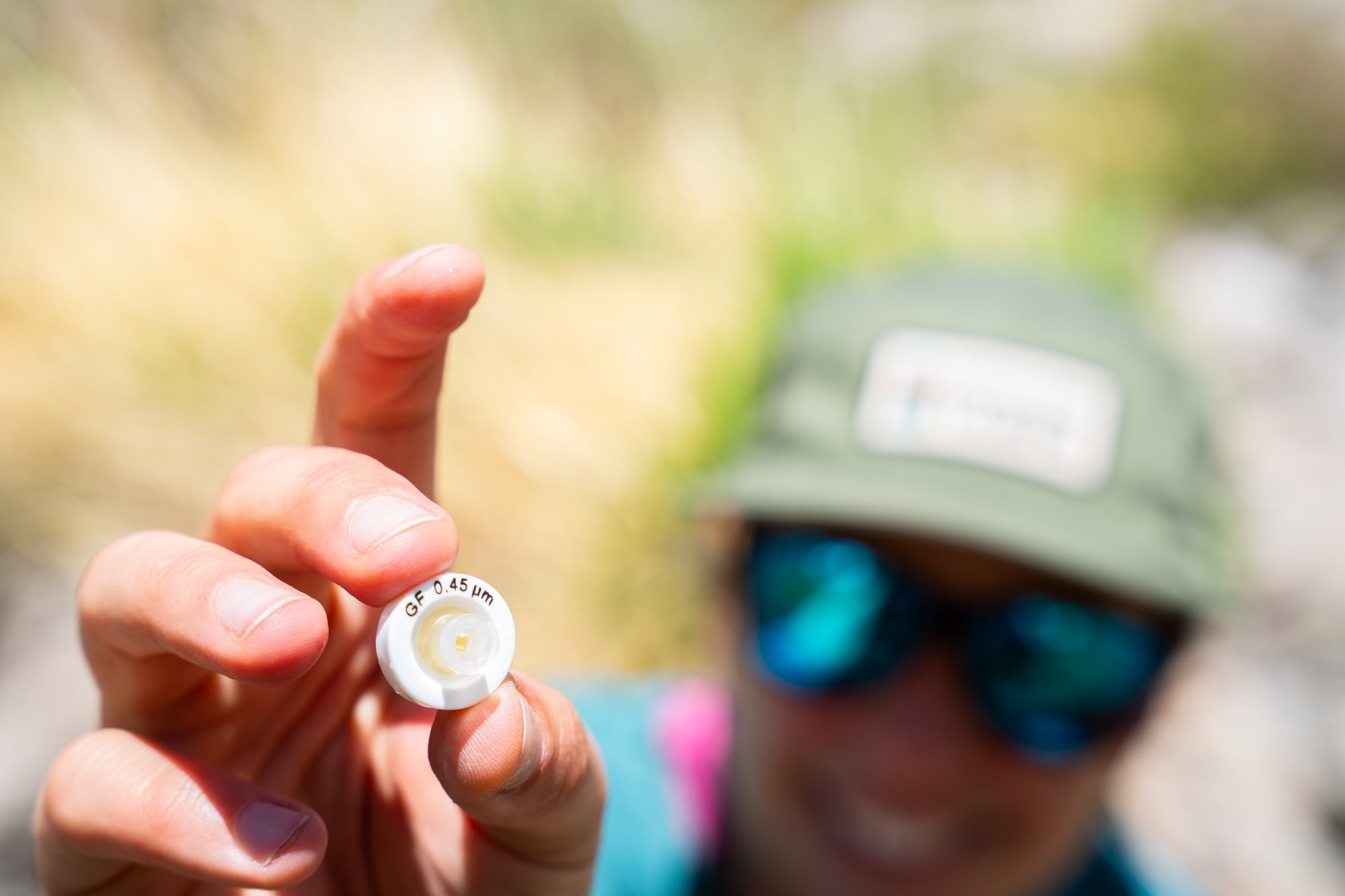
Air pollution and warming are changing Colorado’s remote alpine lakes
This summer, INSTAAR communications specialist Gabe Allen followed Bella Oleksy’s lab for a day of work high in Rocky Mountain National Park. The group leverages year-round backcountry fieldwork and a 42-year biogeochemical record of alpine lakes to investigate how alpine watersheds are changing in the 21st century.
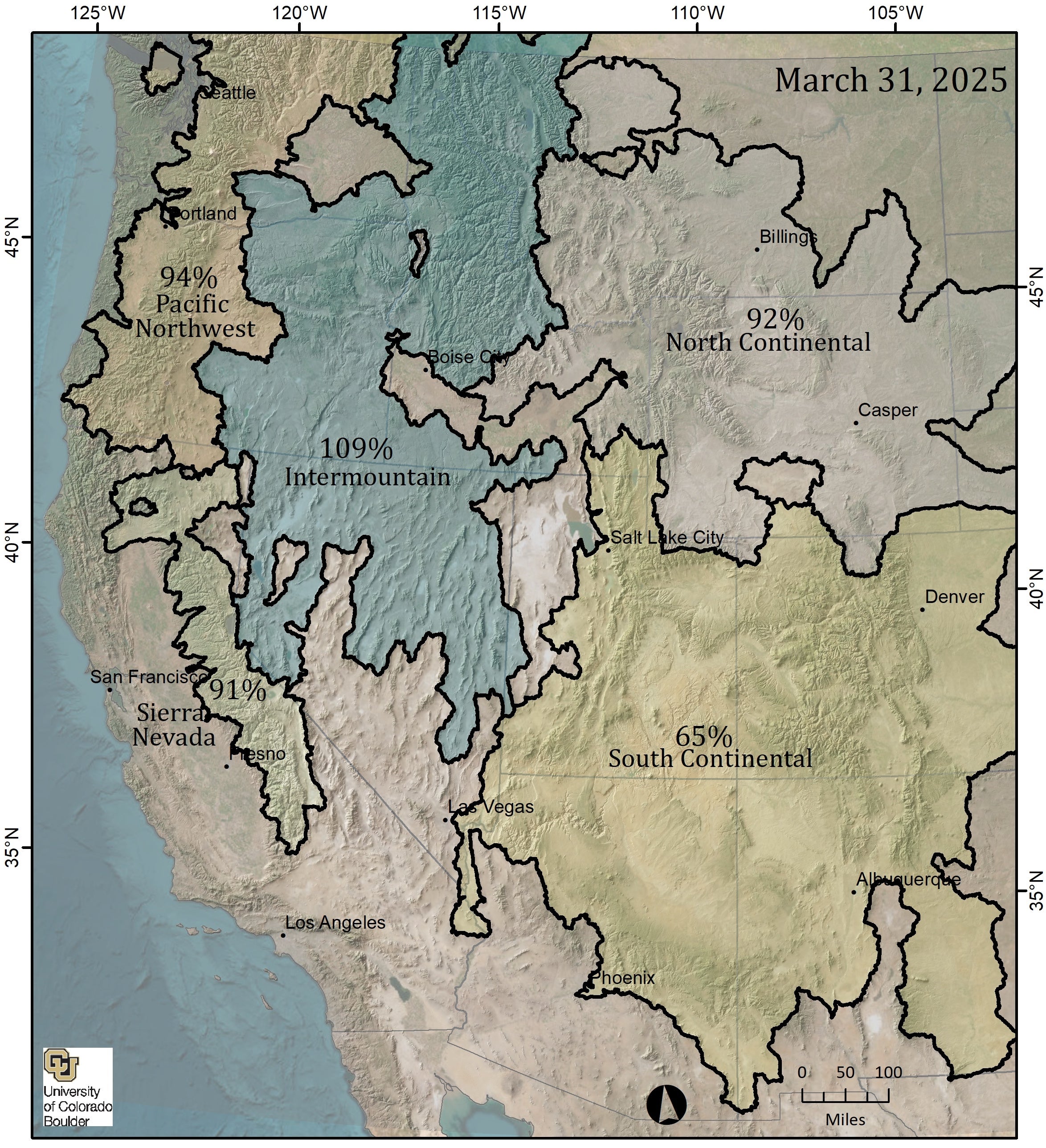
The data is in: Colorado’s snowpack is lagging behind the 21st century average in 2025
Last spring all eyes were on The Mountain Hydrology Group’s new Western U.S. snow water equivalent (SWE) reports. The news from this article is old now, but it’s a good reminder of the excellent hydrological modeling work here at INSTAAR. You can check out frequent updates on snow cover from Karl Rittger’s Snow Today website. The Mountain Hydrology Group will also once again begin putting out SWE reports in the next month or so.
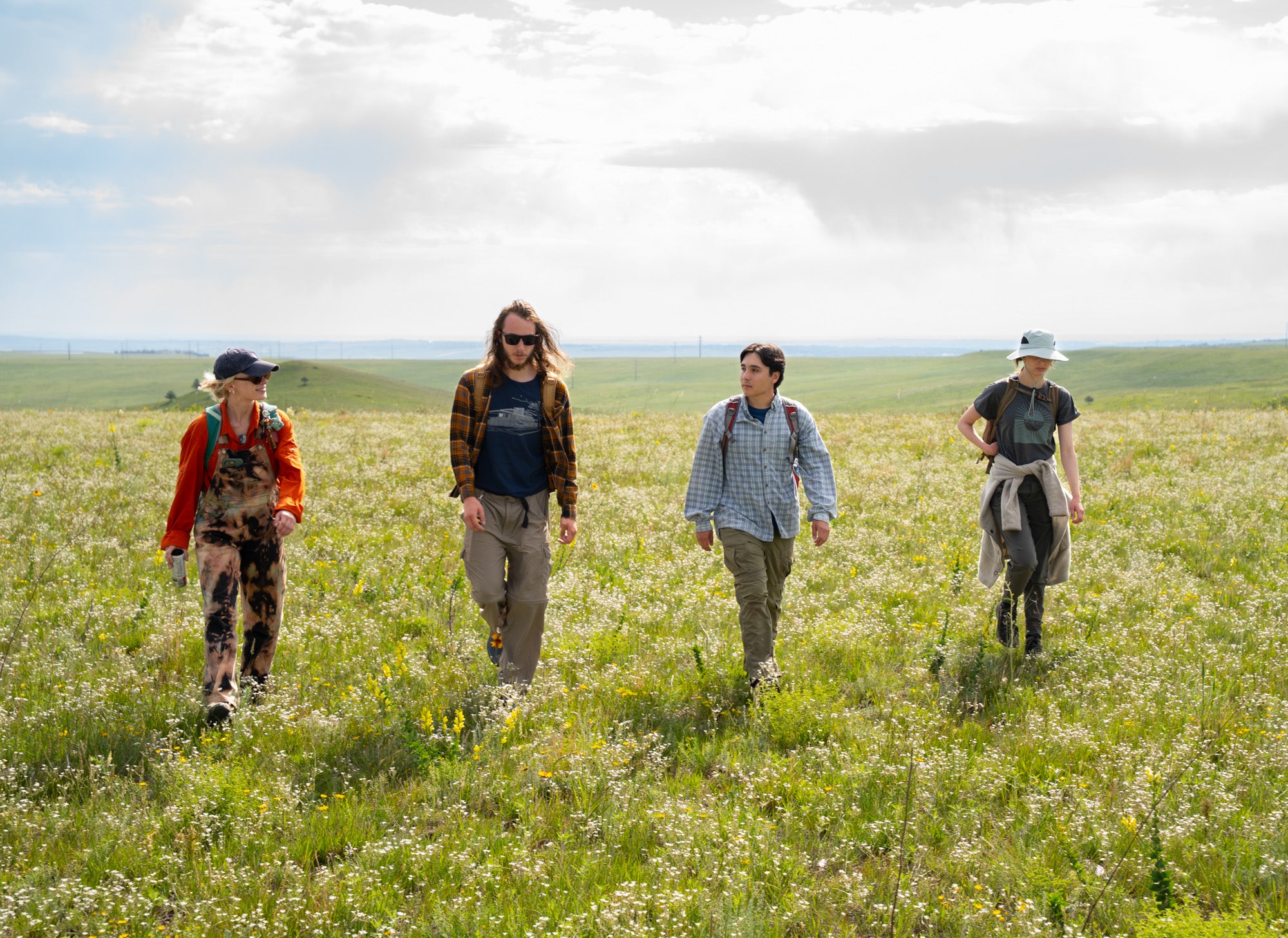
Spotlight: Hunter Geist-Sanchez is pioneering restoration methods for Colorado grasslands and reconnecting with his ranching roots
Hunter Geist-Sanchez is a master’s student in Katharine Suding’s lab studying restoration ecology with a particular focus on grasslands. Geist-Sanchez is following his life-long love of nature to develop new methods for preserving Colorado natural areas and rangelands. As a sixth-generation Coloradoan, he hopes his research can help ranchers preserve their livelihoods in the face of climate change.
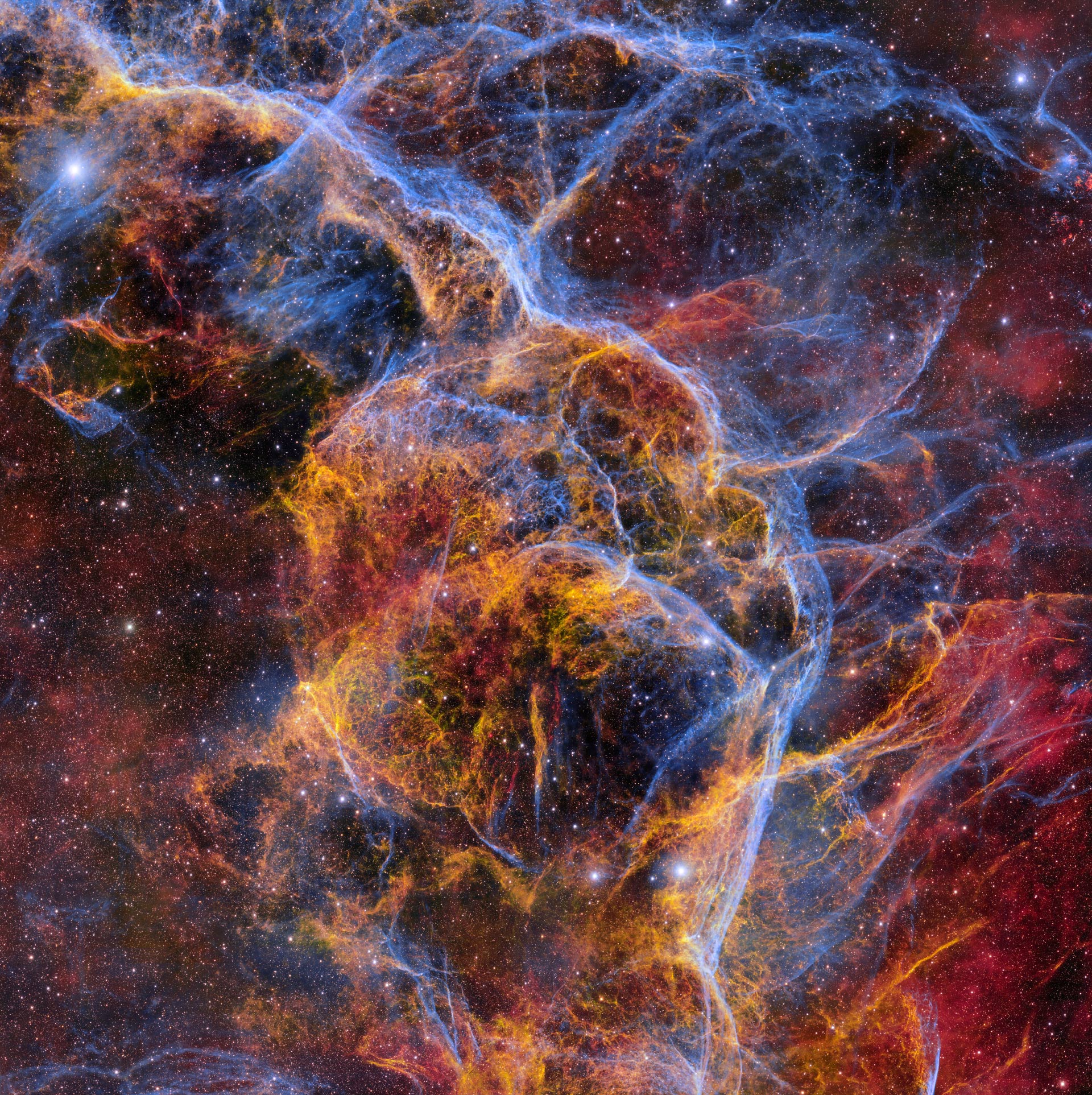
Supernovae may have kicked off abrupt climate shifts in the past, and they could again
INSTAAR senior research associate Robert Brakenridge is always looking for ways to tie-in his life-long interest in astrophysics to his career in geologic and hydrologic research. In a groundbreaking paper published earlier this year, he uncovered potential links between stellar explosions and ancient climate changes.
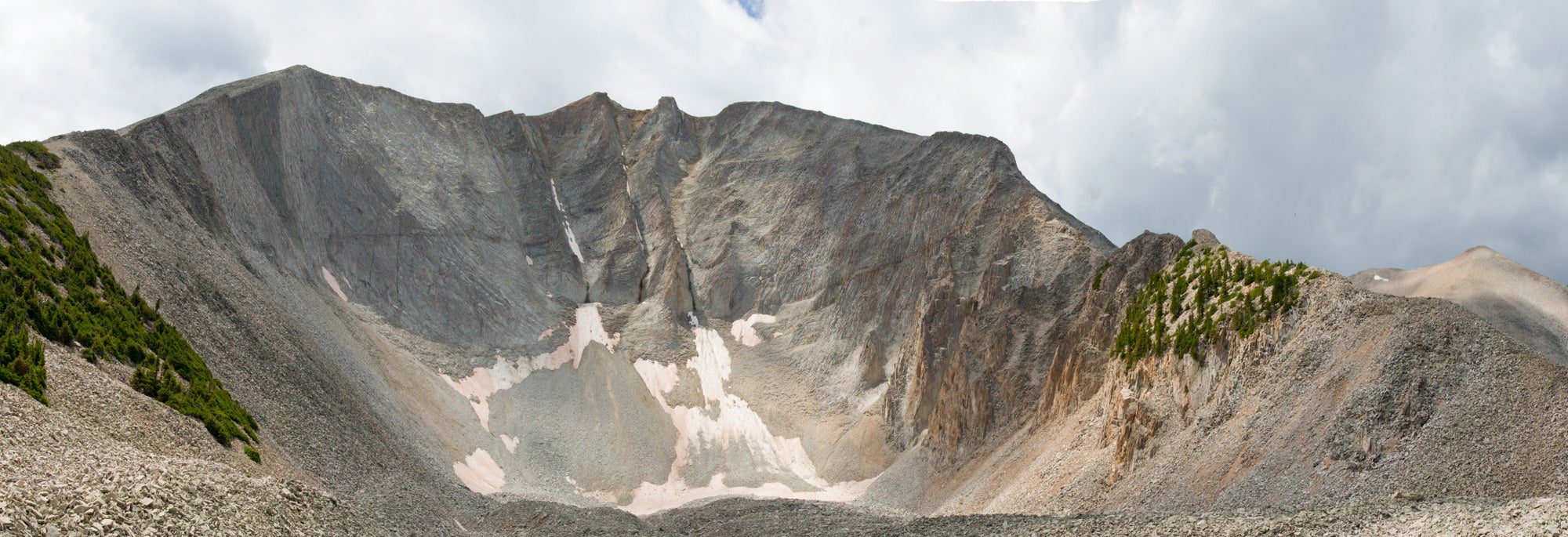
Beneath crumbling walls: how rock glaciers took over the southern rockies
The last of Colorado’s true glaciers are small and disappearing fast. Yet, rock glaciers, stable ice sheets locked between layers of rock and debris, are prevalent across the Colorado Rockies. In a new paper this year, Robert and Suzanne Anderson, along with their mentees, uncover the geologic history of this phenomenon.
The runner up
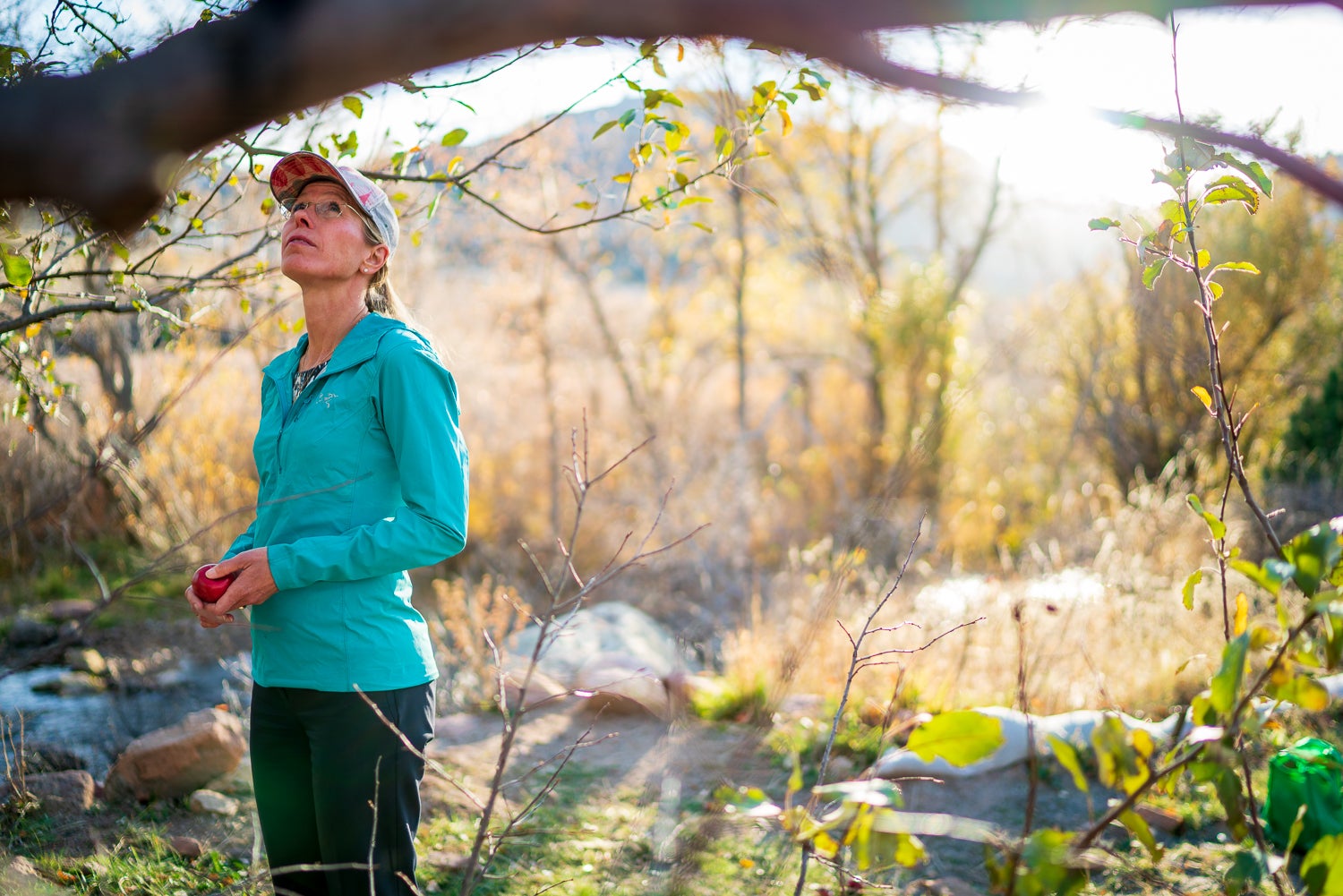
Franklin Institute selects Katharine Suding for the Bower Award for Achievement in Science
Over the past three decades, INSTAAR’s Katharine Suding has become one of the most influential voices in the field of restoration ecology. Her work is locally relevant to Colorado, yet it has influenced scientists around the world. This year, the Franklin Institute awarded her the Bower Award for Achievement in Science. Past winners include Jane Goodall, Stephen Hawking, Albert Einstein and Marie Curie.
If you have questions about this story, or would like to reach out to INSTAAR for further comment, you can contact Senior Communications Specialist Gabe Allen at gabriel.allen@colorado.edu.