Parasites and Pathogens

BioFrontiers is building a healthier world by combating the twin global threats of infectious diseases and parasites.
Infectious diseases account for 3 of the top 10 causes of death globally, with children disproportionately impacted. However, new treatments, vaccines, and public health strategies could make major inroads. In the last 20 years, it is estimated that vaccines have prevented 37 million deaths (97% among young children) in low- and middle-income countries. Conversely, we know the impact of new viruses, with COVID-19 killing over 1 in 500 Americans and inflicting huge societal tolls. We fight infectious disease by investigating new pathogen emergence, virus and human immunity co-evolution, data-driven public health responses, and vaccine & drug development. We promote lifelong health by mining the microbes that live in, on, and around us to prevent chronic diseases such as type I diabetes and asthma.
Similarly, global food supply is threatened by parasites that prey on pollinators such as honey bees. 1/3 of food in the U.S. derives from honey bee-pollinated crops, yet over 60% of U.S. hives were lost in 2025. This is a 50% increase over annual losses sustained in the previous 10 years. Alarmingly, more species of mites are now poised to be global threats. We are developing effective treatments for parasite infestations and genetically profiling other bee species and bee parasites to block future threats.
Parasites & Pathogens Focus Areas


Labs studying Parasites and Pathogens
Alistar Lab
The Alistar Living Matter Lab is dedicated to making healthcare more affordable, effective, and personal. They design digital microfluidic biochips that enable people to directly interact with their microbiomes and bring diagnostics out of the lab and into the home.

Belliveau Lab
The Belliveau Lab combines bioengineering, biophysics, cell biology, and genomics to uncover mechanisms of electric field-directed cell migration. They will develop new mechanistic insights into electrotaxis to answer biological questions relevant to cell motility and immune system function and to develop biomedical tools for regenerative medicine, immunoengineering, and cellular guidance.

Chuong Lab
The Chuong Lab investigates the evolution and function of gene regulatory networks, or the choreography of gene activity in response to specific cues. They are particularly interested in virus-derived “DNA parasites” that have been co-opted by human genomes over evolutionary time and are responsible for biological landmarks such as the placenta and human-specific immune system traits.
Figueroa Lab
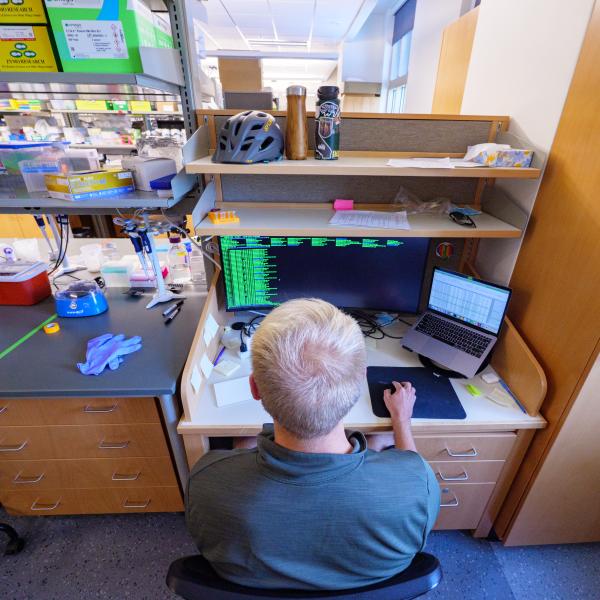
The Figueroa-Morales Lab studies soft matter physics at the interface of microorganisms and the environment (such as bacteria moving through human mucus) using tools like microfluidics and quantitative video microscopy. They address practical problems like the transport of microorganisms in the environment and the prevention and treatment of medical conditions.
Garcea Lab
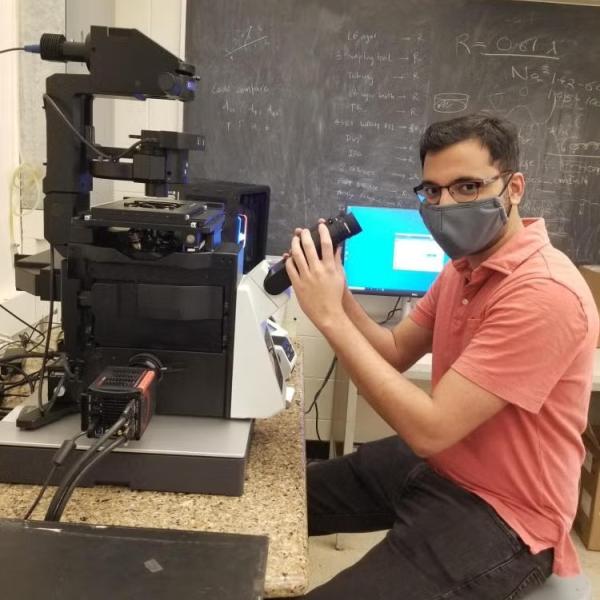
The Garcea Lab studies small DNA viruses and their assembly by integrating medicine, chemical engineering, and virology. They apply this research to develop next generation vaccines that are inexpensive, heat stable, multi-dose and multi-valent to solve global problems in vaccine access and equity.
Hill Lab
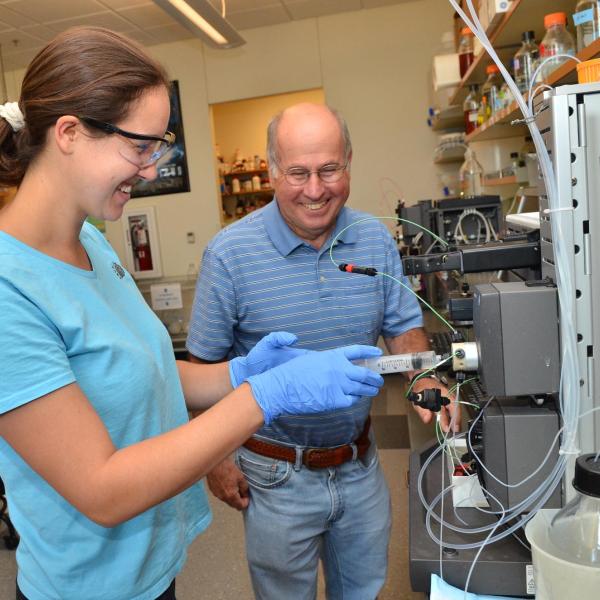
The Hill Lab studies how gut microbes impact the pancreas. Their research has implications for Type I Diabetes, pancreatic cancer, and fetal pancreas development. Their goal is to develop microbially-derived treatments to prevent or reverse disease.
Kissler Lab
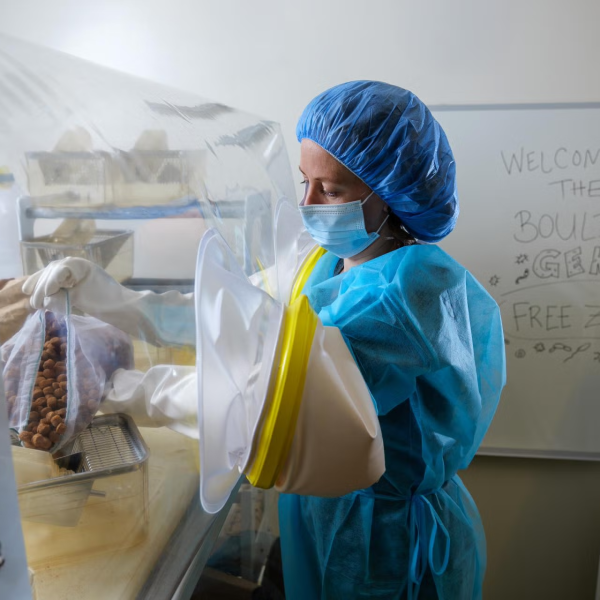
The Kissler Lab seeks to make the world more resilient to infectious diseases by studying how pathogens interact; how our bodies, communities, and societies respond to infection; and how epidemics compound other major threats to our well-being using the latest data, statistics, and computational methods.

Larremore Lab
The Larremore Lab develops computational methods and mathematical models rooted in network science, dynamical systems, and statistical inferences and applies them to real-world problems spanning infectious diseases and social sciences. Their work has been used globally to inform on critical public health policies.
Mansfeldt Lab
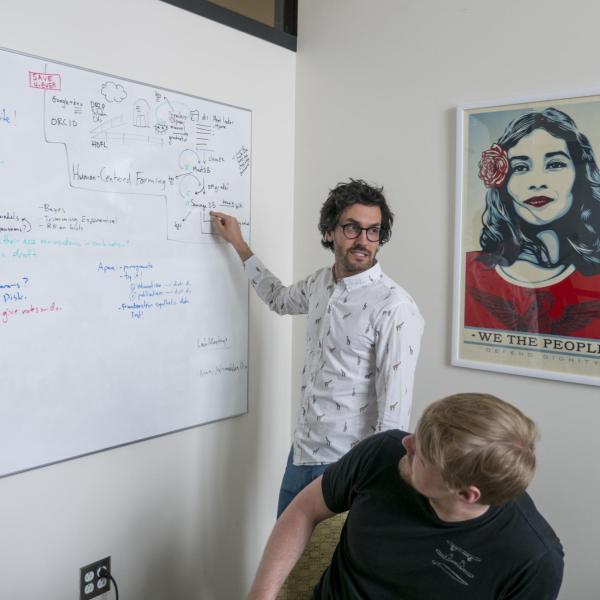
The Mansfeldt Lab focuses on microbial communities, wastewater treatment, and microbial risk assessment. Projects include wastewater-based public health surveillance and ethics, analyzing contaminants in fire residues, risk assessment for release of synthetic materials and synthetic organisms, and analyzing pathogens in wastewater.

Mukherjee Lab
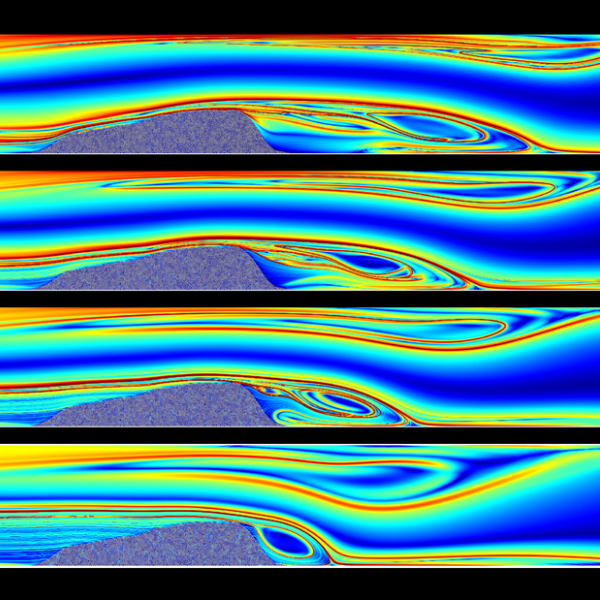
The Mukherjee Lab investigates the flow, transport, and mechanical underpinnings of physiological processes and develops tools for disease biomechanics, medical device design, treatment planning, and drug delivery. A primary application area is in cardiovascular and cerebrovascular processes in healthy and diseased states, like stroke, thrombosis, and embolisms.
Olm Lab
The Olm Lab is uncovering why immune diseases such as allergies and type I diabetes are so prevalent in industrialized societies by integrating computational biology and immunology to study the infant gut microbiome.

Ramsey Lab
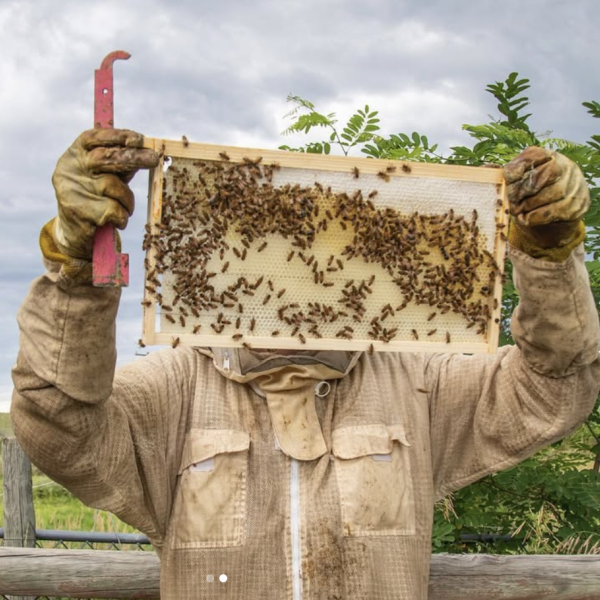
The Ramsey Lab focuses on pollinator health with an emphasis on understanding the parasitic mechanisms of bee symbionts, such as parasitic mites, to combat the pollinator pandemic. They also aim to catalog emergent parasites in the native bee ranges of Southeast Asia to prevent future pollinator pandemics. They combine field-based work with technologically creative laboratory-based bee studies.
Sawyer Lab
The Sawyer Lab studies animal viruses that infect humans through a combination of bioinformatics, genomics, and evolutionary theory. They are uncovering the viral properties that lead to this “virus spillover” to learn what leads to global pandemics such as HIV-AIDS and COVID-19. Their goal is to prevent this through rapid identification with new test design and through vaccine development.