

Microbiome

Microbiome Focus Areas

- Gut Microbiome and Autoimmune Disease Risk
- Environmental Microbial Communities
- Microbe–Human Cell Communication
- Microbial Genomics
- New Microbiome Analysis Techniques
- Microbiome in Non–Human Species
- Microbial Contributions to Human Development
- Synthetic Organisms Vs. Natural Microbes
- Microbe–Inspired Medicines
Labs studying the microbiome
Alistar Lab
The Alistar Living Matter Lab is dedicated to making healthcare more affordable, effective, and personal. They design digital microfluidic biochips that enable people to directly interact with their microbiomes and bring diagnostics out of the lab and into the home.

Hill Lab
The Hill Lab studies how gut microbes impact the pancreas. Their research has implications for Type I Diabetes, pancreatic cancer, and fetal pancreas development. Their goal is to develop microbially-derived treatments to prevent or reverse disease.
Krauter Lab
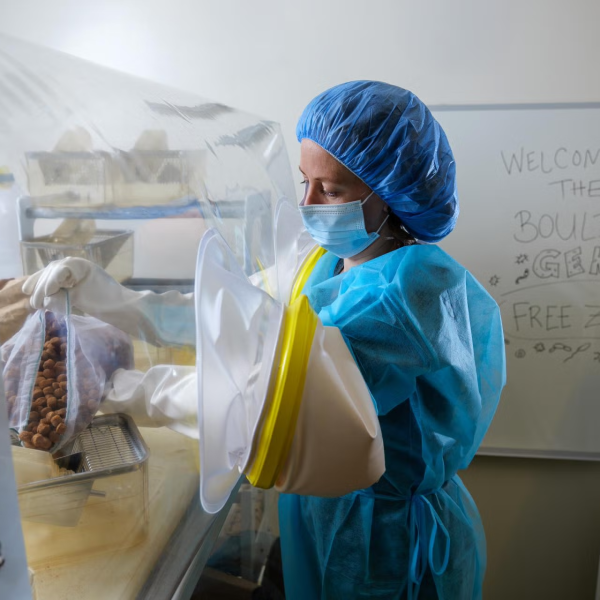
The Krauter Lab probes the relationship between human microbial populations and human development and disease. They combine genetic analyses, environmental assessments and high-throughput DNA sequence classification of microbes in the mouth and gut to examine how microbes may respond to and be responsible for normal and disease states.
Link Lab
The Link Lab examines the cellular and molecular basis of age-associated neurodegenerative diseases, such as Alzheimer's disease and Amyotrophic Lateral Sclerosis. They focus on the mechanisms by which specific proteins central to these diseases induce pathology.
Mansfeldt Lab
The Mansfeldt Lab focuses on microbial communities, wastewater treatment, and microbial risk assessment. Projects include wastewater-based public health surveillance and ethics, analyzing contaminants in fire residues, risk assessment for release of synthetic materials and synthetic organisms, and analyzing pathogens in wastewater.

Olm Lab
The Olm Lab is uncovering why immune diseases such as allergies and type I diabetes are so prevalent in industrialized societies by integrating computational biology and immunology to study the infant gut microbiome.
