

Henry Lovejoy
- Associate Professor
- AFRICAN DIASPORA / DIGITAL HISTORY
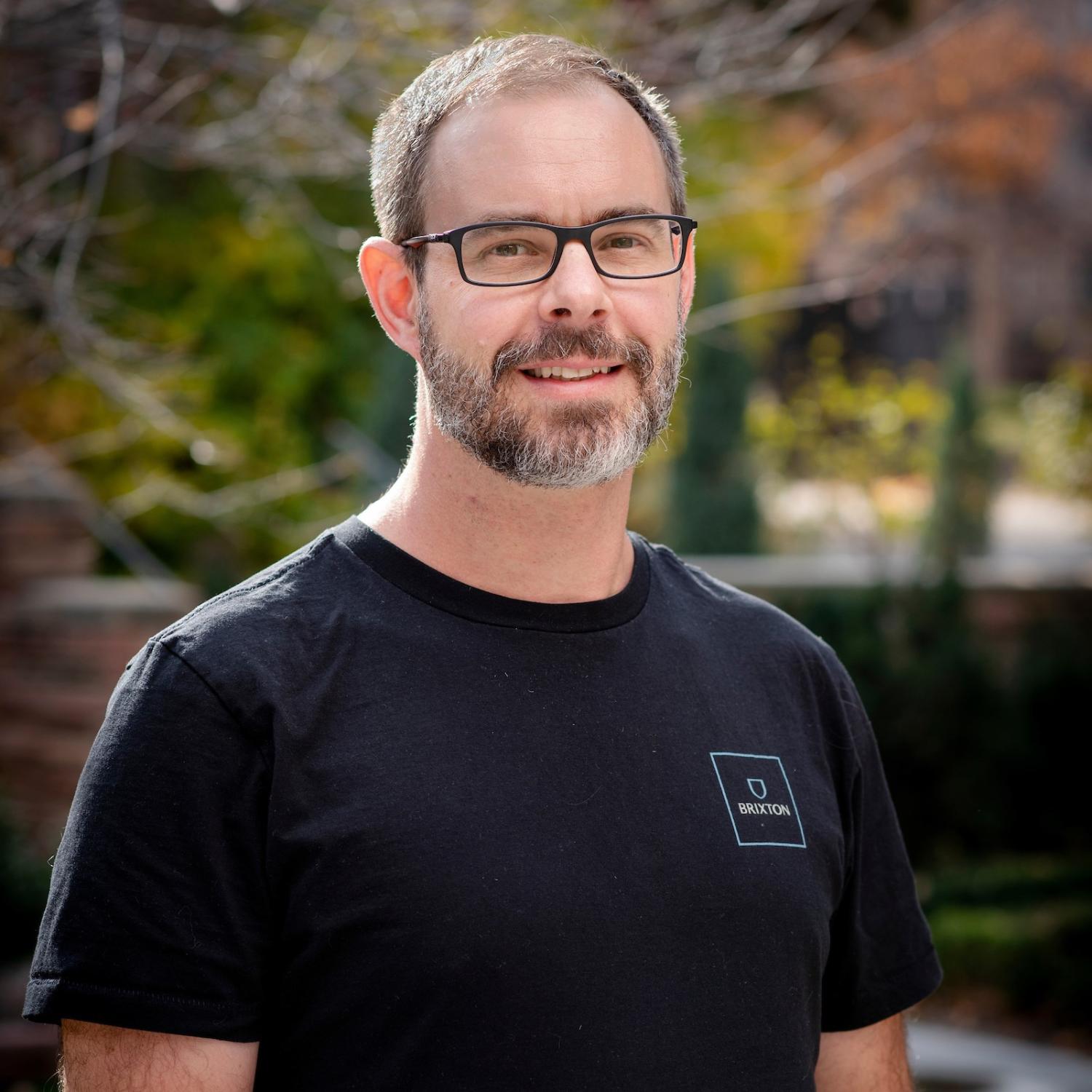
Professor Lovejoy focuses on the political, economic, and cultural history of Africa and the African diaspora.
Henry Lovejoy is director of the Digital Slavery Research Lab. His teaching integrates large-scale statistical analysis, GIS mapping, biography, and music to explore slavery, abolition, and migration. His second book, Becoming Sarah Forbes Bonetta: A Yorùbá Woman in Queen Victoria’s Court (University of Toronto Press, 2026), is about an African woman apprenticed to the British royal family and trained to colonize West Africa. His first book, Prieto: Yorùbá Kingship in Colonial Cuba during the Age of Revolutions (University of North Carolina Press, 2018), is about the foundational leader of Santería. It won the Chief Isaac Oluwole Delano Foundation Best Book Prize for Yorùbá Studies and was a finalist for the Albert J. Raboteau Best Book Prize (Journal of Africana Religions). He co-edited Liberated Africans and the Abolition of the Slave Trade, 1807–1896 (University of Rochester Press, 2020) and Regenerated Identities: Documenting African Lives (Africa World Press, 2022). His article, “Conceptualizing ‘Liberated Africans’ and Slave Trade Abolition: Government Schemes to Indenture Enslaved People Captured from Slavery, 1800-1920” in Past & Present (2025), won CU Boulder’s Provost Faculty Achievement and Research Impact Award. His research has appeared in the Journal of African History, History in Africa, Slavery & Abolition, Journal of the Royal Statistical Society, Canadian Journal of African Studies, Journal of Global Slavery, among others. He directs open-source digital resources including, LiberatedAfricans.org, SlaveryImages.org, AfricanRegions.org, and USAntiSlaveryLaws.org, which have secured support from a wide range of international granting agencies and academic institutions, including the Mellon Foundation, NEH, SSHRC, Harvard, and CU Boulder. He is currently building a global digital archive of indentured Africans alongside advanced spatial statistical models to determine the conditional probabilities of inland African origins for undocumented enslaved people absorbed into the slave trade. He serves on the board of directors for the international consortium, WalkWithWeb.org, which develops over 25 digital humanities projects focused on African Studies. He is also an Honorary Patron of the Ameena Gafoor Institute for the Study of Indentureship and its Legacies.