Down Syndrome

BioFrontiers is improving the lives of people with Down syndrome by uncovering the genetic basis of co-occurring health conditions.
People with Down syndrome have inherited an extra copy of chromosome 21, which, despite representing a mere 1% of the total genome, results in increased rates of some health conditions and decreased rates of others. They have high rates of Alzheimer's disease, congenital heart defects, blood cancers, immune dysfunction, and sleep disorders. Conversely, they have low rates of most solid tumor cancers, asthma, and high blood pressure. Moreover, many of these conditions are related to each other even though they occur in different body systems, and each individual has a unique health profile. Understanding the root of these complex conditions, their systemwide relationships, and variability among individuals requires collaboration and interdisciplinarity, which are core BioFrontiers strengths. With the support of the Anna and John J. Sie Foundation, BioFrontiers established a Boulder-based Down syndrome research community that synergizes with the world's largest group of Down syndrome investigators at CU Anschutz's Linda Crnic Institute for Down syndrome. Learn more at the Crnic Institute Boulder Branch's website.
Down Syndrome Focus Areas

- Cancer
- Genomics & RNA Dynamics
- Blood Disorders
- Alzheimer's Disease & Neurodegeneration
- Sleep Disorders
- Gastrointestinal Impacts & Celiac
- Immune Dysfunction
- Altered Bone Development
- Mitochondrial Alterations
- Anxiety & Depression
- Muscle Dysfunction & Impaired Muscle Stem Cells
- Neural Development
- Analytical Tool Development
Labs studying Down Syndrome
Ahn Lab
The Ahn Lab investigates mammalian cell signaling, including the roles of protein molecular motions and cell membrane trafficking. They are particularly interested in understanding situations such as cancer where these processes go awry, how to turn this into a cellular vulnerability for targeted therapies, and strategies to overcome cancer drug resistance.
Allen Lab
The Allen Lab is focused on deciphering meaning in an individual person’s genome and how person-to-person DNA sequence variability contributes to personal traits, ultimately enabling personalized medicine. They devote special effort to understanding how conditions associated with Down syndrome arise from the extra copy of chromosome 21.

Brumbaugh Lab
The Brumbaugh Lab investigates the molecular regulatory processes that allow one individual’s cells from different tissues to interpret the genome differently and confer different properties. They focus on how stem cells develop into specialized mature cells with the goal of harnessing them for regenerative medicine.
Chuong Lab
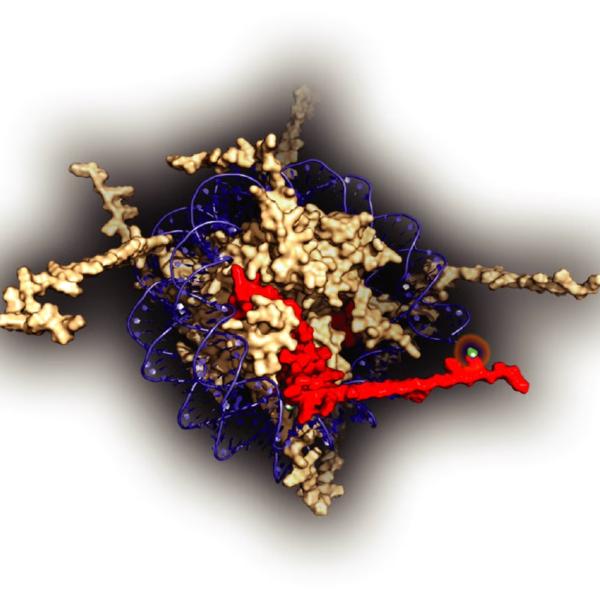
The Chuong Lab investigates the evolution and function of gene regulatory networks, or the choreography of gene activity in response to specific cues. They are particularly interested in virus-derived “DNA parasites” that have been co-opted by human genomes over evolutionary time and are responsible for biological landmarks such as the placenta and human-specific immune system traits.
Dowell Lab
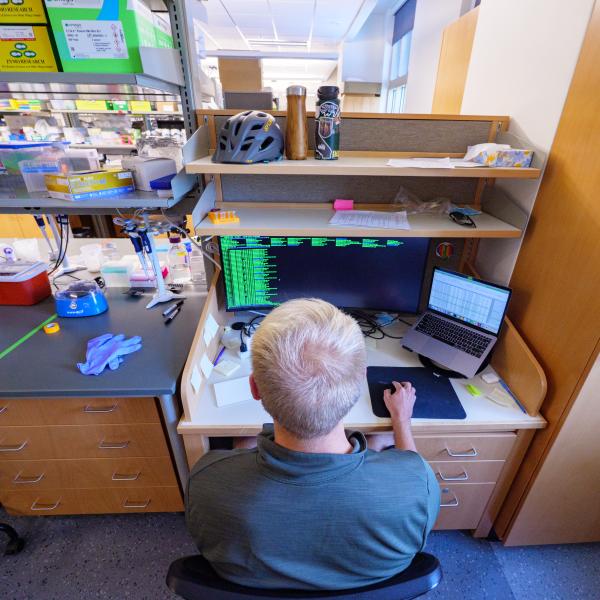
The Dowell Lab investigates transcriptional regulation through a combination of genetics and biologically informed machine learning approaches. They have developed techniques to interrogate the initial stages of RNA synthesis and dissect the role of the functional RNAs known as enhancer RNAs (“eRNAs”). They apply these tools to understand cells with abnormal chromosome numbers, such as trisomy 21 (causing Down syndrome), many cancers, and liver regeneration.

Ferguson Lab
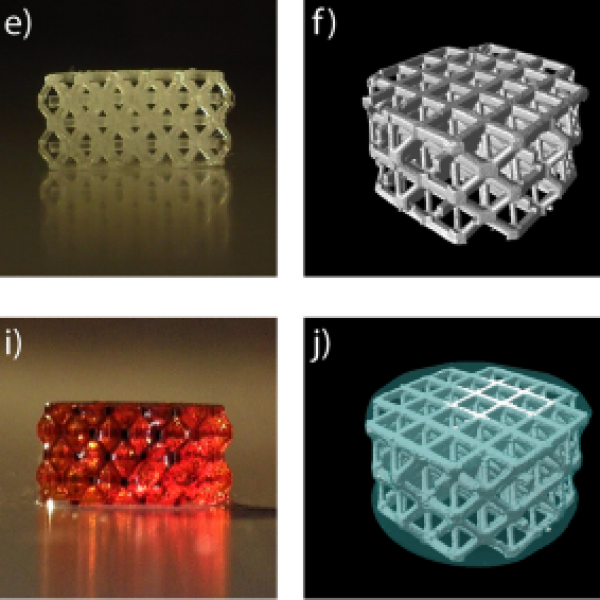
The Ferguson Biomechanics and Biomimetic Lab studies how the microstructure, composition, and material properties of tissues influence mechanical behavior. Further, they examine how these properties change with disrupted mechanical loading, aging, or disease.
Hough Lab
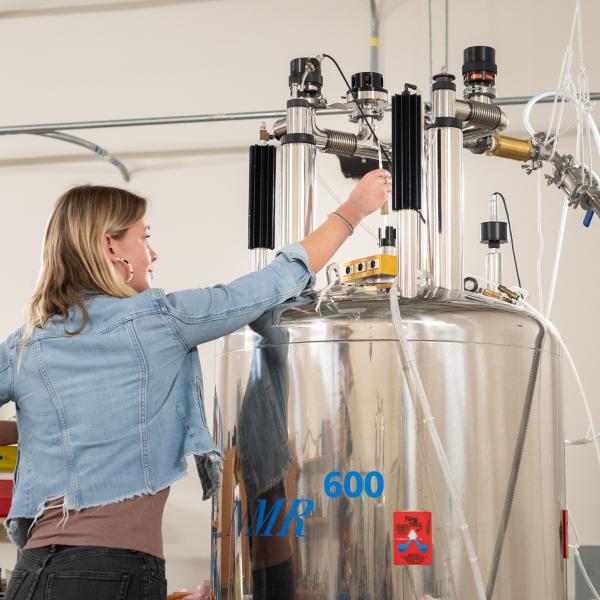
The Hough Lab studies the physical properties of naturally disordered proteins using experimental physics, computational biology, and cell biology. They leverage their discoveries about proteins in healthy cells to understand how disordered proteins contribute to Alzheimer’s and Parkinson’s disease.
Link Lab
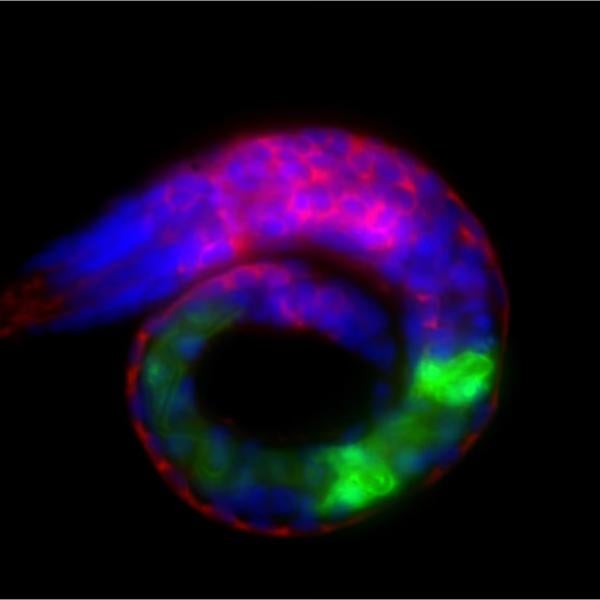
The Link Lab examines the cellular and molecular basis of age-associated neurodegenerative diseases, such as Alzheimer's disease and Amyotrophic Lateral Sclerosis. They focus on the mechanisms by which specific proteins central to these diseases induce pathology.
Olwin Lab
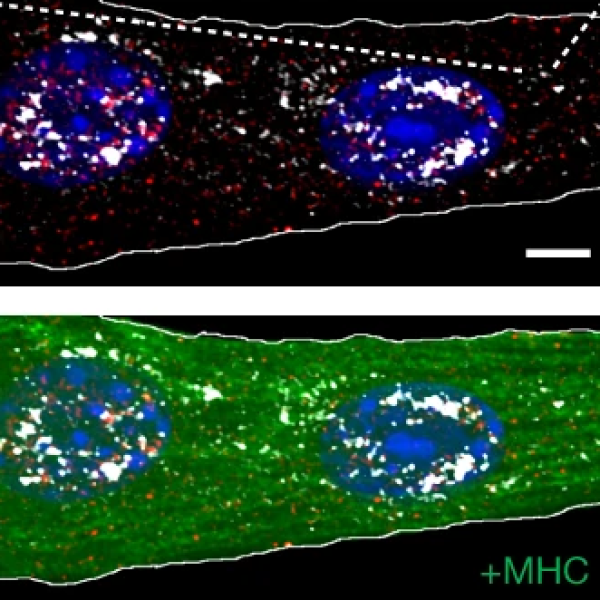
The Olwin Lab examines the mechanisms regulating the growth, differentiation and self-renewal of skeletal muscle stem cells (satellite cells) for eventual use in cell-based gene therapy approaches. They use molecular genetics, cell biology, and cellular biochemistry to understand satellite cell self-renewal and to investigate age-related decline and neuromuscular diseases.
Palmer Lab
The Palmer Lab investigates how cells regulate and respond to metal ions, how pathogens alter cell biology, and how to engineer dynamic fluorescent proteins to report on changes in living cells. Their work lies at the interface of chemistry and biology and has included the development of novel, genetically encoded molecular tools.
Parker Lab
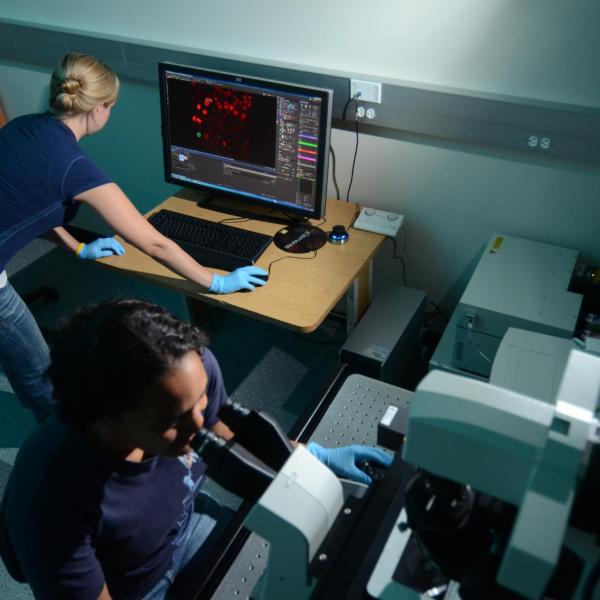
The Parker Lab studies the cellular regulation of RNA molecules and how that both contributes to normal cellular function and leads to disease when it goes awry. They focus specifically on understanding RNA degradation, how the RNA chaperone network prevents RNA aggregation, and the connections between RNA and the protein tau, especially in neurodegenerative diseases.
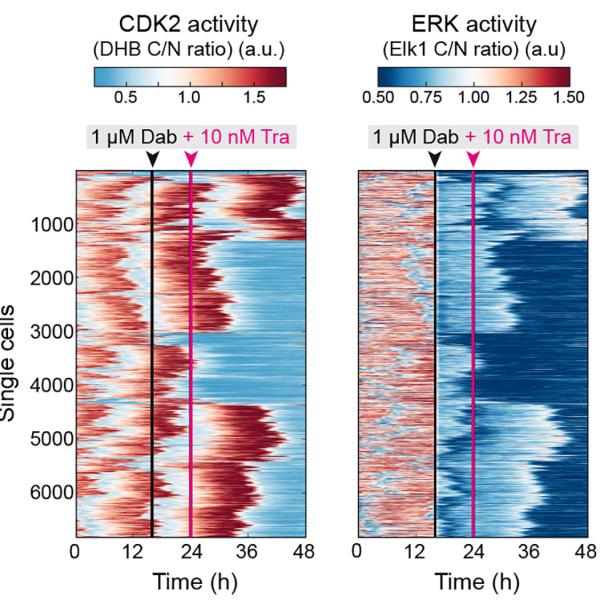
Spencer Lab
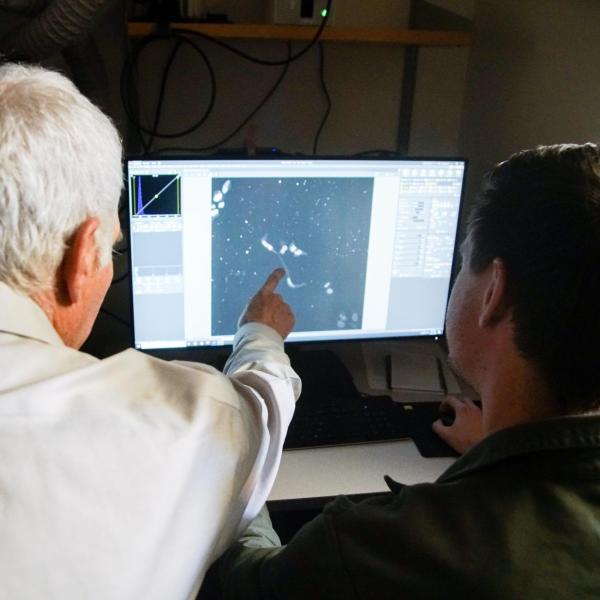
The Spencer Lab investigates cell signaling mechanisms to understand how these signals go awry in cancer with the goal of altering the fate of individual cells. They study single cells, which display remarkable variability in these processes within a genetically identical cellular population, using fluorescent sensors they developed in long-term live-cell microscopy and cell tracking experiments to quantify signaling dynamics controlling cell fate.