Information Science Research Labs

Research in the Department of Information Science happens in faculty-led research labs. Their projects include helping people manage the online accounts of loved ones who have died, making data visualizations that blind users can read, building recommender systems that treat people fairly, and understanding how communities use social media during disasters.


 

Al-Adala Lab

Al-Adala عدالة is the Arabic word for justice, fairness and equality. The Al-Adala Lab, or (ADA)LAb, draws on critical approaches and perspectives (e.g. critical race and postcolonial theory) to create a just, fair and equal digitally mediated society.

Led by:Bryan Semaan

Colorado Laboratory for Users, Media, and Networks (COLUMN)

The Colorado Laboratory for Users, Media, and Networks (COLUMN) explores the emerging relationships connecting users and media. We are a theoretically and methodologically interdisciplinary group and participate in scholarly conversations within computational social science, social computing, and human-centered data science.

Led by: Brian Keegan

Creative Communities Group

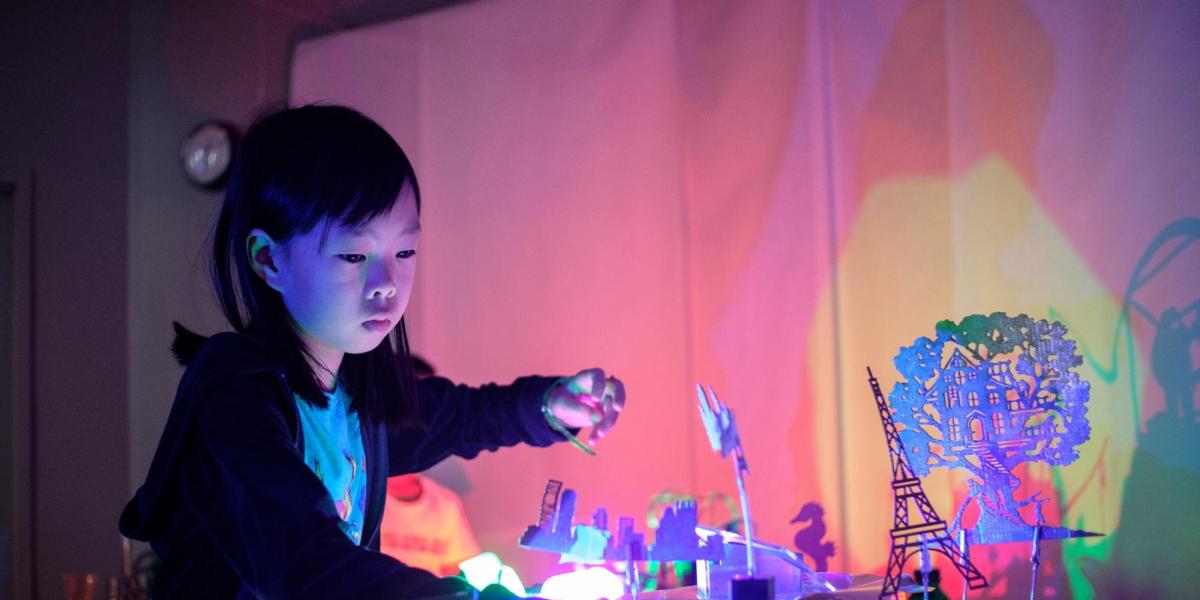
The Creative Communities research group explores how we can engage people to create, play and learn together. We are researchers, students, designers and educators committed to designing and studying learning experiences for young people to create things they care about, develop identities as creators and shape the world around them.

Led by: Ricarose Roque

Data & Design Group

The Data & Design Group uses design to envision a world where everyone has the power to shape systems that affect their social and political lives. We conduct research in accessibility, visualization, and data ethics that both contributes new ideas to scientific communities and also makes a practical difference in people’s everyday lives.

Led by: Jonathan Zong

EPIC: Empowering the Public with Information in Crisis

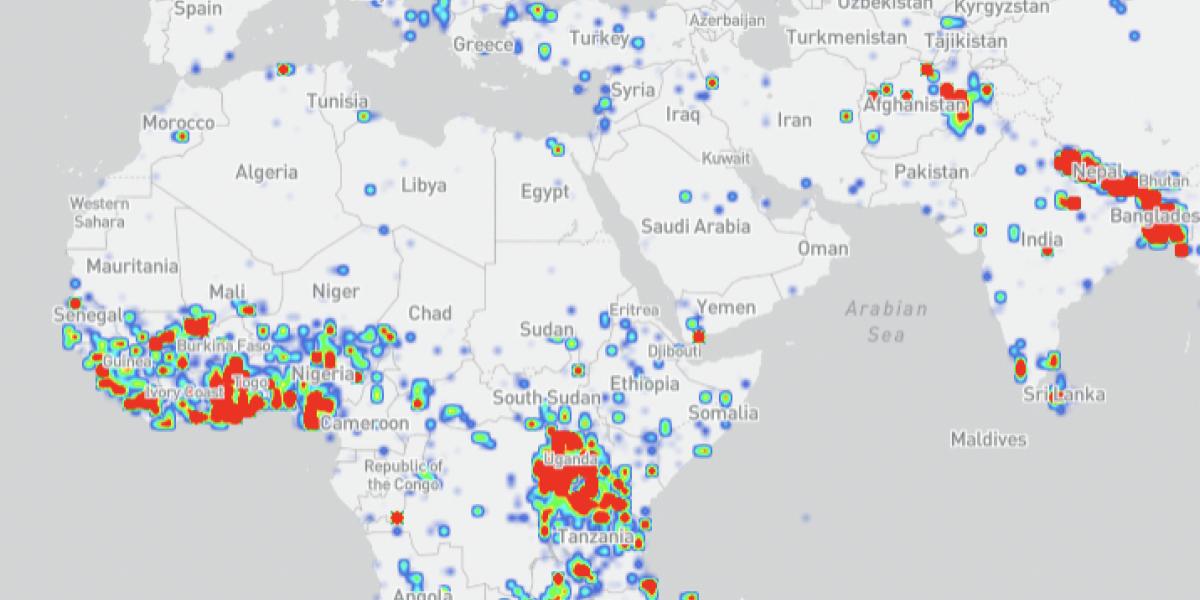
Members of the EPIC Lab conduct research in crisis informatics to consider the roles social media, data and other tech environments play in information-based consequences to natural and public health hazards. Research also includes informatics studies of racial justice, environmental justice and sustainability.

Led by:Leysia Palen

Identity Lab

Identity Lab focuses on studying and designing how identity is designed, represented and experienced in technology.

Led by:Jed Brubaker

The Information Technology Education and Contexts Lab

The Information Technology Education & Contexts Lab (ITEC) examines social systems that reproduce and reinforce exclusion in computing with the goal of designing evidence-based interventions. We also study uses of information technology in higher education.

Led by: Lecia Barker

Information Visions Lab

The Information Visions Lab imagines a future of data communication that prioritizes equity and access. Our research draws on information visualization tools and techniques to empower the ways in which diverse communities can trust, create, and engage with data.

Led by: Evan Peck

Internet Rules Lab (IRL)

The Internet Rules Lab (IRL) focuses on the intersection of technology and governance. Our work includes elements of ethics, inclusivity, social justice, education, and in general working towards making our technologies and networked spaces better for everyone.

Led by:Casey Fiesler

Philanthropic Informatics Lab

Philanthropic Informatics is an interdisciplinary research area exploring the role of information and communication technologies in supporting initiatives for the public good. 

Led by:Amy Voida

That Recommender Systems Lab

That Recommender Systems Lab investigates recommender systems and other personalized systems, especially as these systems are deployed in complex and socially-sensitive settings, such as philanthropy, news and employment. Our current projects center on multistakeholder recommendation, and in particular, fairness-aware recommendation.

Led by:Robin Burke

Too Much Information (TMI) Lab

The Too Much Information Lab (TMI) conducts research in human–computer interaction, at the intersection of personal information management, user interface design, ubiquitous computing and computer-supported cooperative work. Our work focuses on helping people to overcome the day-to-day challenges of information overload.

Led by:Stephen Voida

Unstable Design Lab

Unstable Design approaches design as a way to generate theory and things.  Design is political and we develop working technologies to help people imagine alternative futures with alternative politics.

Led by: Laura Devendorf

Contact the Department of Information Science

Department of Information Science:

General Inquiries:    Email

Join us on LinkedIn:  

Support our work  

  CMDI Department of Information Science (INFO)
1045 18th Street, UCB 315
Boulder, CO 80309

   303-735-7581