

Narratives
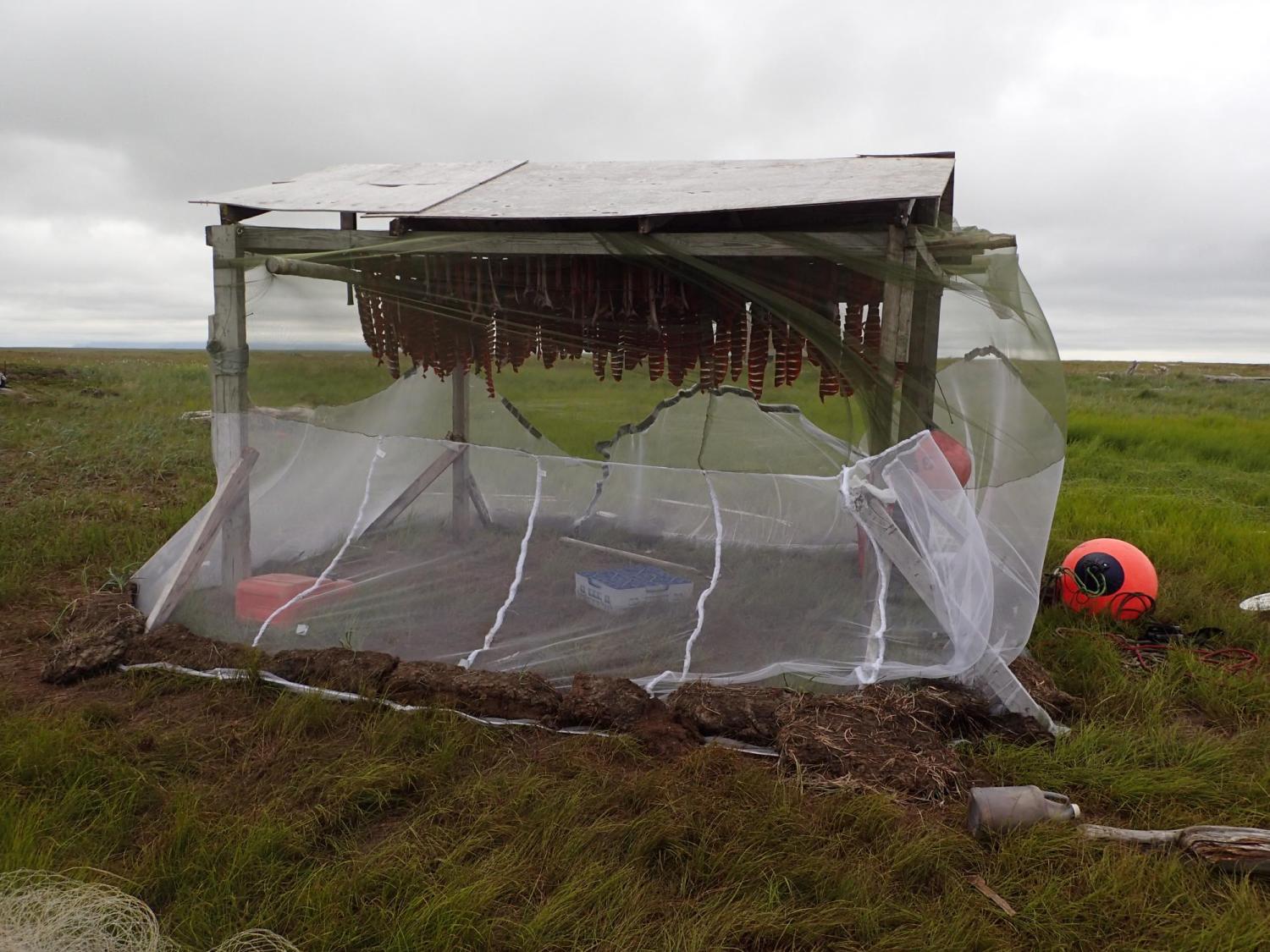
Rather than asking what will happen, which we can’t answer with confidence, storylines, or narratives, allow us to ask what would be the effect of different policy or adaptation measures across a range of possible futures. More relevant to society than the “probabilistic” approach. (Shepard et al. 2019).
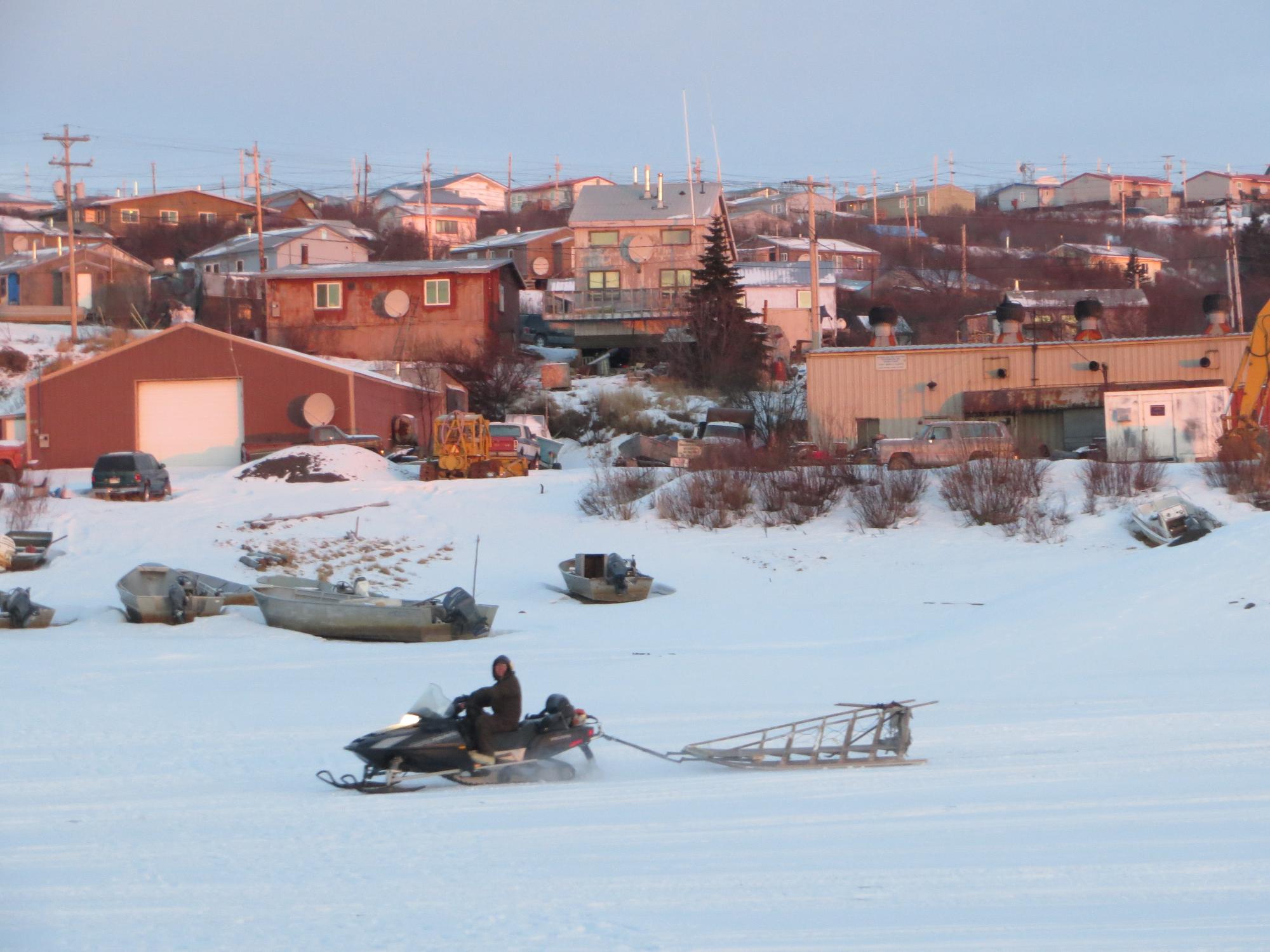
The storylines approach merges advanced climate modeling with western and Indigenous scientific observations and knowledge to assess how permafrost, groundwater, and river conditions may respond to future climate scenarios, and how the changes may impact local and regional fisheries, river ice, and communities. We document traditional and experiential accounts of impactful historical events, seasons, or years, in the context of climate impacts on Arctic river, fish, and communities. Thus, we are identifying vulnerabilities of fish and river ice through Indigenous observations and knowledge using semistructured interviews and participatory mapping designed to complement modeling and aid the development of climate change storylines. Interviews were conducted by students in self-selected villages as expressed during the Arctic Rivers Summit and/or engagement calls. Interview respondents were chosen by Tribal Councils and First Nation governments representing participating communities and will be confined to elders (as defined by Tribes) and experts on fish and fish habitat, the river, river ice, and transportation corridors. Experts are defined as community members that have been active subsistence hunters and fishers in their community for at least ten years.
To create storylines we engage in:
Mapping: Locations of vulnerable fish habitat; Locations of open leads in the ice.
- Interviews: Observations of change; Knowledge of the environment; Knowledge of fish habitat
- Workshops: Environmental and weather events events communities have experienced.
To complete this work, we formed an Indigenous Advisory Council – an advisory panel of indigenous representatives to ensure equitable co-production of knowledge. See our Indigenous Advisory Council tab for more information.
Workshops
Members of the Arctic Rivers Project team held workshops in the communities of Aniak, St. Mary’s, and Elim, Alaska, in July of 2024. The goal of the workshops was to learn from community members about significant environmental and weather events they have experienced in the past and the affects those events had on the community. These workshops were the first step to creating Storylines, a key objective of the Arctic Rivers Project. Storylines are descriptive narratives that help to build a more complete picture of environmental changes and their effects by combining the results of computer models with the lived experiences of community members. See our report Arctic Rivers Storylines: Community Workshops Summary Report which provides the results of the workshops.
Interviews
In January and February of 2025, community members in Aniak, Elim, and Saint Mary’s, Alaska, participated in in-depth, open-ended interviews to delve deeper into the topics discussed in the preceding workshops. Interview participants talked about their personal experiences with changing environmental conditions and extreme events in their communities. These experiences and stories were used to understand the consequences of climate change, the areas of most concern, and the ways in which individuals and communities are adapting. See our reports for the communities of Aniak, Elim, and Saint Mary's. The reports summarize major climate changes, events, and impacts via the results of the interviews, paired with the climate modeling results produced by the Arctic Rivers Project.