


Lisa Marshall
 Tens of millions of years ago, ancient viruses infected our primate ancestors, leaving flecks of DNA that made their way into the human genome. A new study suggests these “endogenous retroviruses” may not be as harmless as once believed.
 Large portions of the West, including parts of Colorado, are reeling from extreme temperatures this week. CU expert Colleen Reid, who studies the health impacts from natural disasters, explains the unique hazards of prolonged heat waves and what people and communities can do to handle them.
 Beginning Aug. 1, LGBTQ+ students across the United States are poised to earn unprecedented federal protection from discrimination under a proposed overhaul of Title IX. CU Boulder Today got researcher Chelsea Kilimnik's take on how the new rules, and the fierce pushback against them, could impact students' mental health.
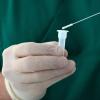 A new CU Boulder study offers insight on how to make a new generation of rapid tests for COVID-19, influenza, RSV and more work best.
 Social demographer Amanda Stevenson offers her take on how the Dobbs decision has impacted people seeking abortion care and changed attitudes about sex and pregnancy.
 New CU Boulder research shows when animals are fed a diet high in saturated fat for nine weeks, their gut bacteria change in ways that influence brain chemicals and fuel anxiety. The study adds to a growing body of research that suggests ditching junk food can boost mental health.
 In “The Catalyst: RNA and the Quest to Unlock Life’s Deepest Secrets,” Nobel Laureate Tom Cech explores how DNA’s long-overlooked sibling could revolutionize medicine.
 There’s a lot of research out there on screen time and sleep—read the consensus from 16 leading sleep experts, who have just published an exhaustive scientific review.
 Things like lockdowns, school closures and masking worked surprisingly well to contain infections long enough for a vaccine to be developed, new research shows. But with better planning, the authors say, the U.S. could manage future pandemics with less economic pain.
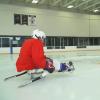 Members of the U.S. National Sled Hockey Team are working with CU researchers on a project that could ultimately improve performance and reduce injury for hockey players with lower-limb amputations or impairments.