Exhibitions
[Face] Value
This exhibition was curated by graduate students enrolled in the Fall 2025 Curatorial Practicum. Throughout the semester students examined the conventions of portraiture, debating the social hierarchies this tradition reinforces and exploring how these norms could be subverted. From these discussions, they identified three core functions that power the genre and sometimes work at odds: portraits uphold and strengthen tradition, they shift hierarchies and can be used to showcase communities.
While some works present conventional interpretations of portraiture, others challenge or expand the genre. Each student selected and researched artwork in the collection, wrote interpretive labels and contributed to the gallery layout.
On view February 6–March 14, 2026
Fairy Tales and the Power of Wonder
When we create fairy tales, we imagine new worlds where everyday problems find magical solutions. Their characters and stories encourage us to look with fresh eyes at our relationships with the natural world and with one another. Filled with optimism, fairy tales remind us that change and transformation can help us overcome obstacles and find hope, resilience, and happy endings.
Artists share this spirit of wonder. They create worlds that offer new ways of interpreting human experience, confronting our understanding of reality with imagery that can be fantastic, outlandish or even unsettling. Like fairy tale narratives, their work blends realms, with hybrid creatures, mysterious thresholds and liminal spaces, inviting us to imagine otherwise. Their artworks envision inversions and reversals of cultural and social norms, often aided by power derived from magic and otherworldly sources.
The artworks, books, and maps in this exhibition bring to life the stories and themes of fairy tales, themes fairy tales share with myths and saints’ legends. Maps of Fairy Land trace pathways and meandering routes through landscapes described in these stories. Open volumes reveal illustrations that interpret fairytale settings and scenes, while other art works feature the magical beings that are the typical characters of fairy tales—animal, human and unearthly.
On view February 6–May 2026
Turn, Turn, Turn: Picturing Time
Can time be held, seen, reimagined?
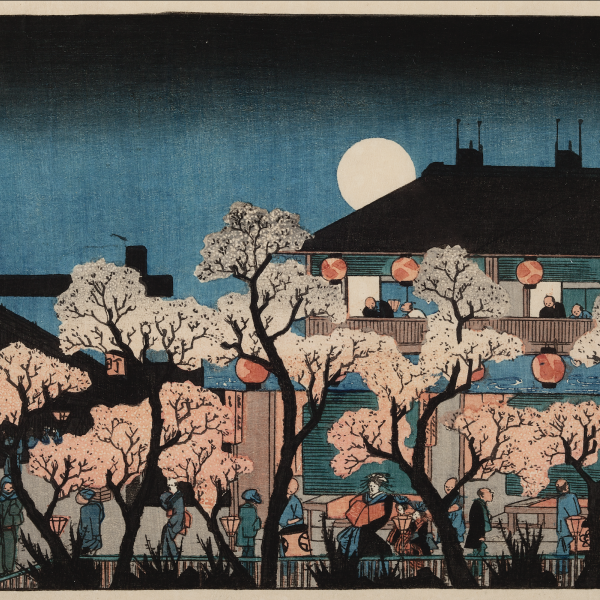
Turn, Turn, Turn invites viewers to consider how artists capture, challenge, and reshape our understandings of time. Through depictions of specific hours of the day, seasonal shifts, and historical moments, the artworks anchor the intangible in the material. Prints by William Hogarth and Utagawa Hiroshige, for example, offer glimpses into daily life across different eras and geographies.
Yet, the concept of time is much more challenging to render. Resisting linear and progress-oriented notions of time, the artworks in this exhibition open pathways to alternate timelines that reclaim suppressed histories and envision futures beyond the narratives imposed by Western, colonial traditions. Enrique Chagoya, Gade, and Patrick Nagatani propose alternate histories that prioritize cultural hybridity, offering counter narratives to dominant historical accounts. While others meditate on time’s fleeting nature through the motif of the memento mori, Dario Robleto, Antonette Rosato, and Gretchen Marie Schaefer use art to underscore the transience of human life, extending a tradition dating back to artists like Giovanni Battista Piranesi.
Together, these works reveal time not as a fixed reality, but a notion shaped by perception, culture, and power.
On view August 5, 2025–May 2026.