

Undergraduate Senior Design Projects

2023 Senior Design Projects (inaugural year)
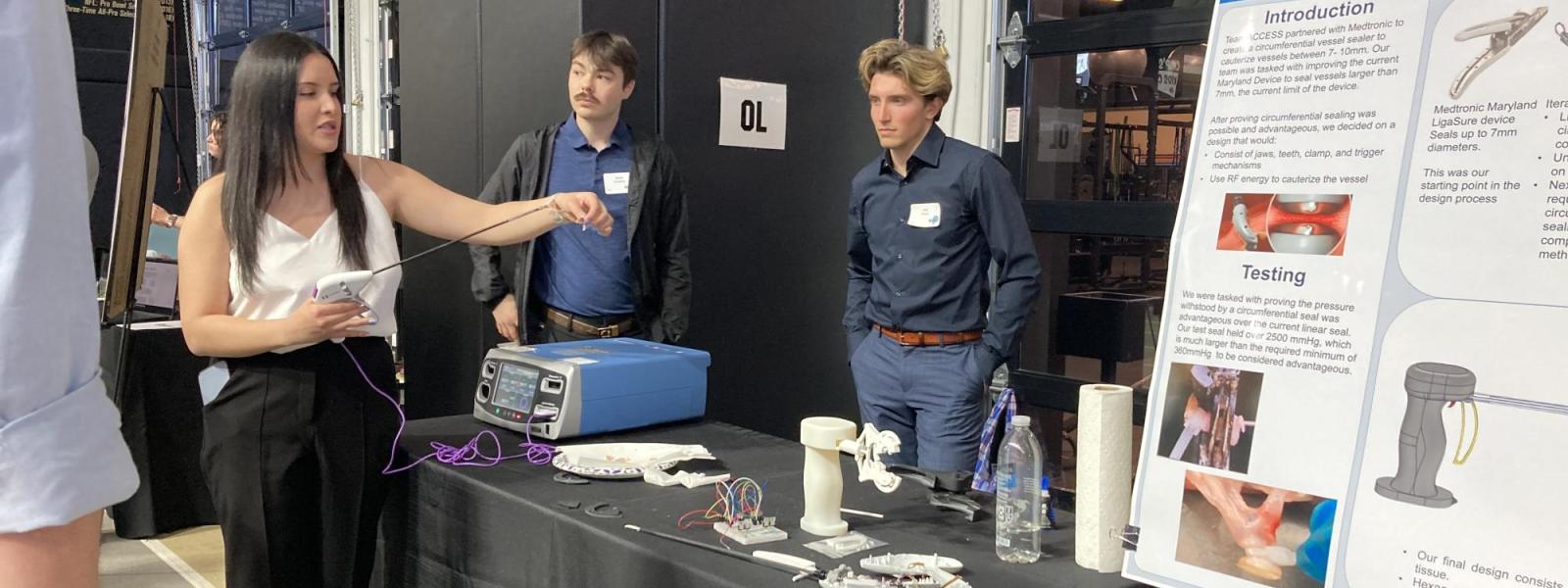
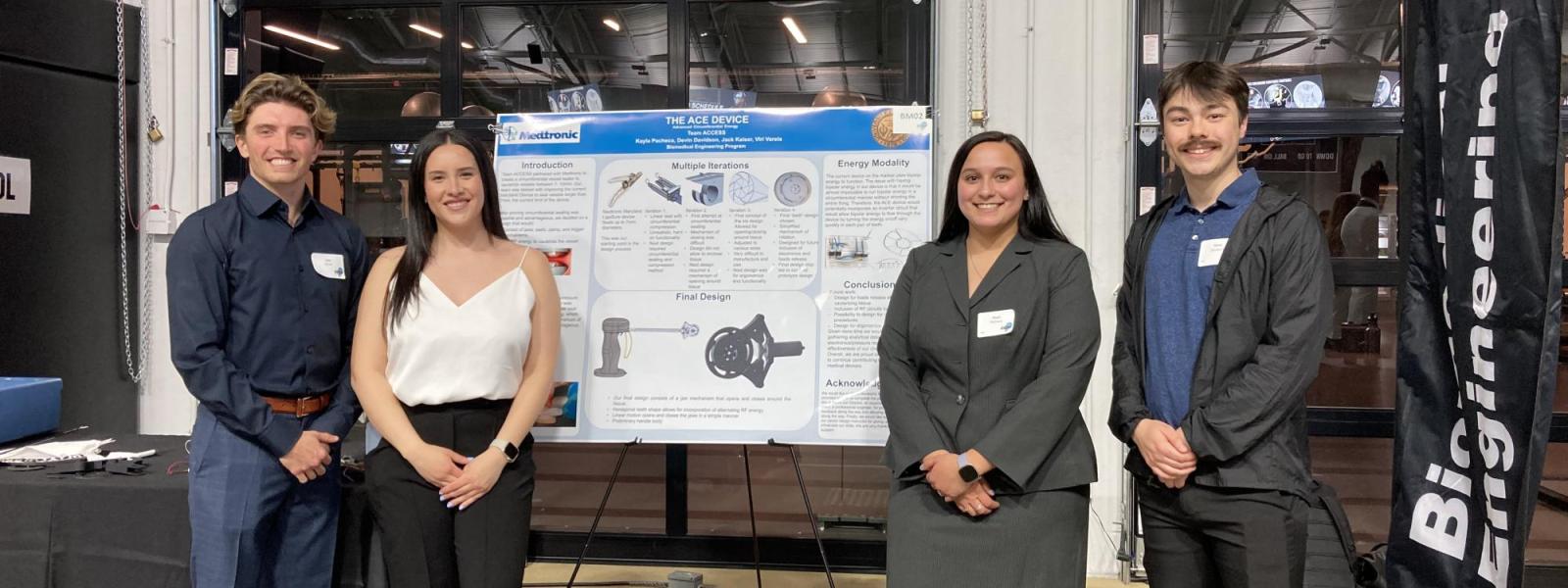
Team Members: Devin Davidson, Viri Varela, Kayla Pacheco and Jack Kaiser
Project Description: The ACE Device
Team ACCESS is working to create new technology for circumferentially sealing blood vessels of diameters between 7 and 10mm. To do this we created an ‘iris’ design to circumferentially compress tissue, and given more time we would plan to use RF energy technology passed between 3 sets of diagonal teeth in our iris configuration to cauterize tissues in the body, followed by an extending blade to cut the tissue.
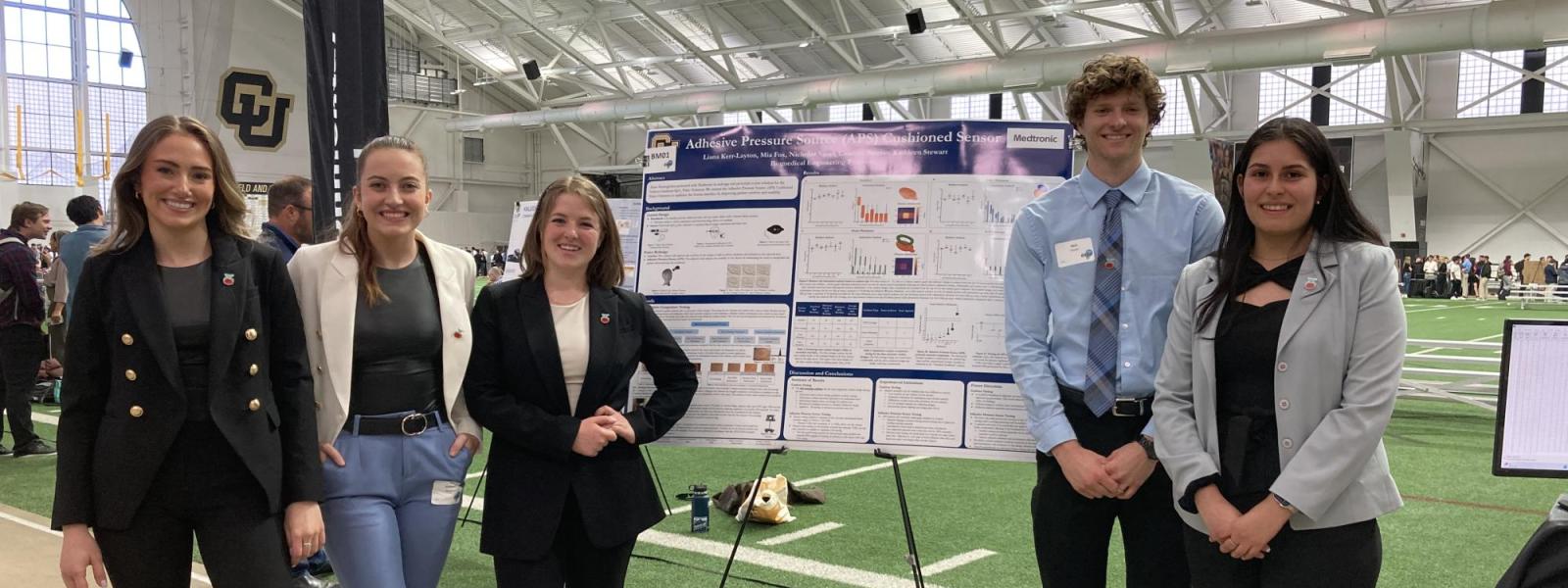
Team Members: Kathleen Stewart, Mia Fox, Nick Vaver, Liana Kerr-Layton and Catalina Bastias
Project Description - Adhesive Pressure Source (APS) Cushioned Sensor
Team Hemoglobin is working to redesign and prototype a new solution for the Nellcor Forehead SpO2 Pulse Oximeter. We created the Adhesive Pressure Source (APS) Cushioned Pulse Oximeter to optimize the human interface by improving patient comfort and usability.
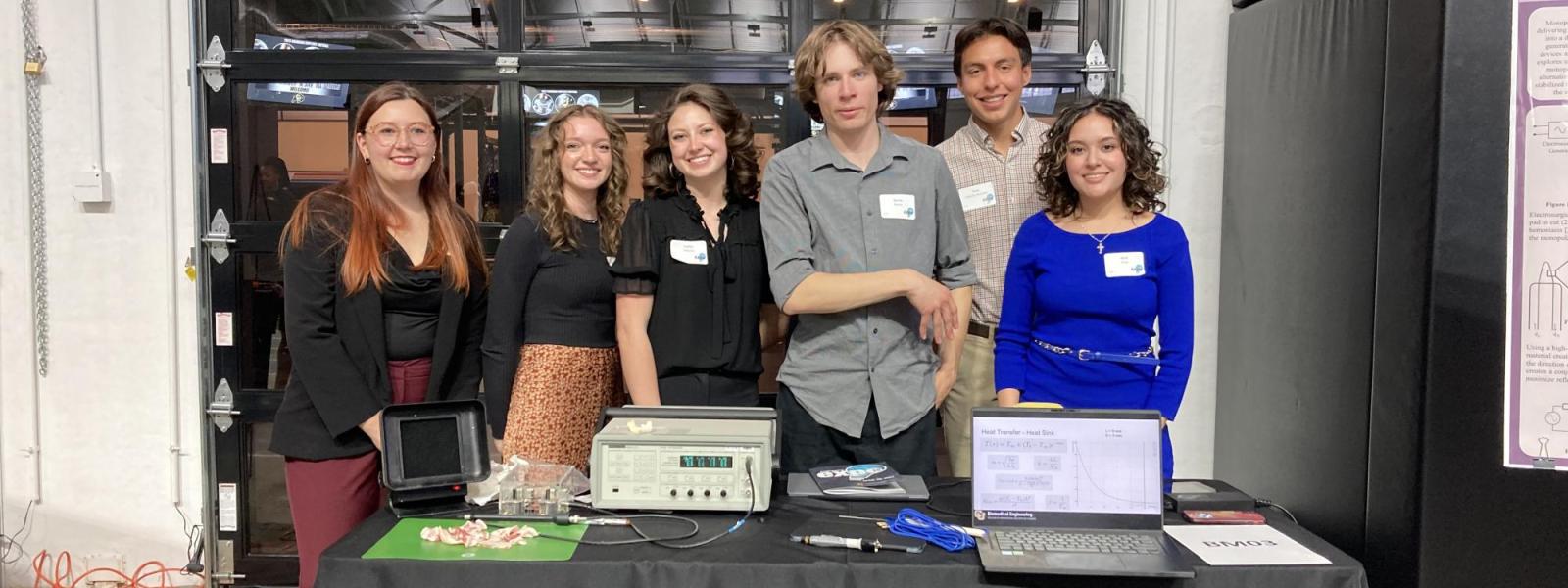
Team Members: Quinn Beato, Caitlin Mascio, Nicole Gunderson, Sydnei Lewis, Avril Cruz and Tony Salcido-Alcantar
Project Description - Building and Characterizing a Ferromagnetic Electrosurgical Pencil
Monopolar electrosurgical pencils release harmful smoke, cause thermal injury, and require cords. This research explores using ferromagnetism as a new energy modality. A prototype was designed to optimize power transfer and impedance. Ferromagnetic devices show promise in reducing smoke, thermal injury, and compatibility with electromagnetic-sensitive devices.
2023 BME Senior Design Winner
2024 Senior Design Projects
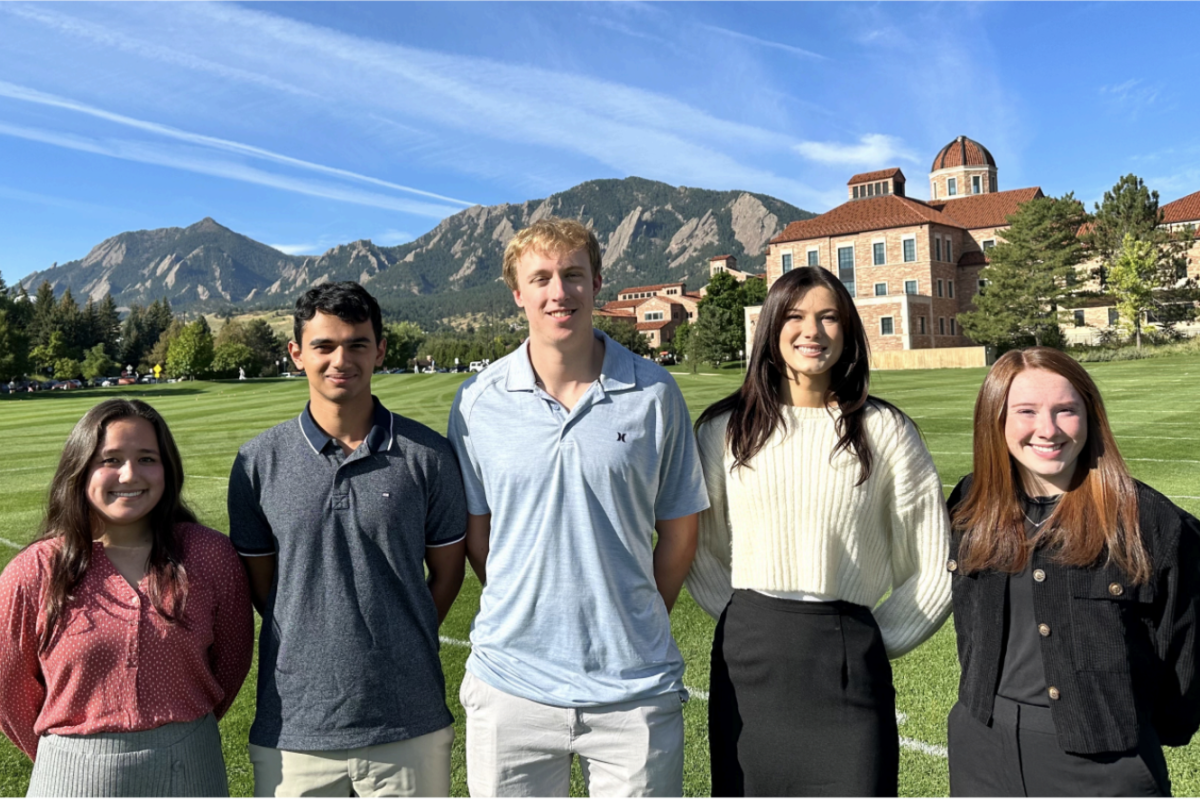
Team Members: Kendall Lee, Argudit Chauhan, Chris Orear, Maddie Bender, Meaghan McGarvey
Project Sponsor - UCB Chatterjee Lab
Project Description: Expanding the Geometric Viability Assay (GVA)
The GVA-team worked with Dr. Christian Meyer of the University of Colorado Boulder to expand the accessibility of the Geometric Viability Assay (GVA), a novel method for quantifying the number of viable microbes in a sample. To make GVA more accessible and improve antibiotic sensitivity testing in low-resource health care settings, we developed an affordable, easy-to-use GVA kit that determines whether bacteria sampled from a patient are resistant to an antibiotic. To complement our kit, we designed an iPhone-based system to rapidly quantify the output of the GVA assay for up to 12 samples at once.
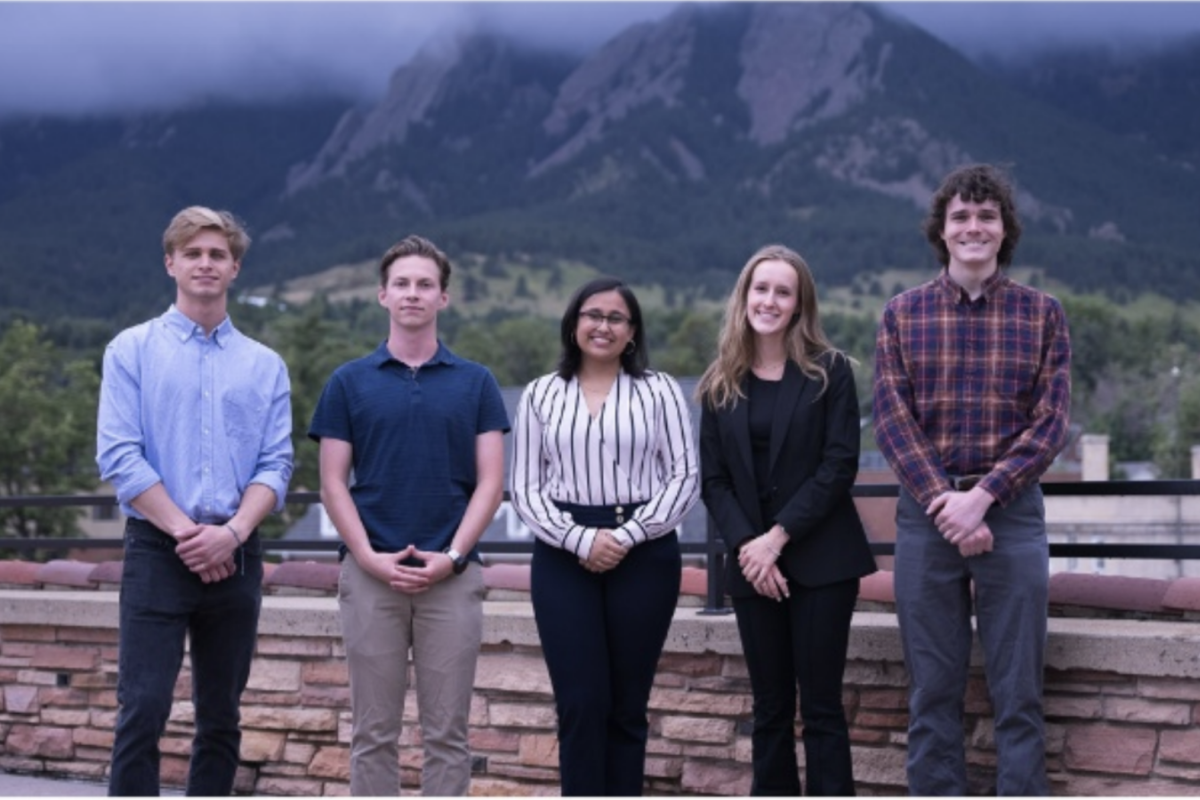
Team Members: Julian Conrad, Ethan Barber, Ushmi Akruwala, Neely Quirk, Cain O'Sullivan
Project Description - Temperature-Pulse Oximeter Sensor
Pulse oximetry is a quick, non-invasive monitoring technique that measures the oxygen saturation in the blood by shining red and infrared light through tissue. Team Oxymetrix collaborated to redesign and improve their existing Nellcor Forehead SpO2 sensor to measure an additional parameter: temperature. The sensor aims to increase the convenience of vital sign monitoring for healthcare workers by compiling multiple relevant measurements into a single device while ensuring both sensors maintain optimal performance standards and patient comfort
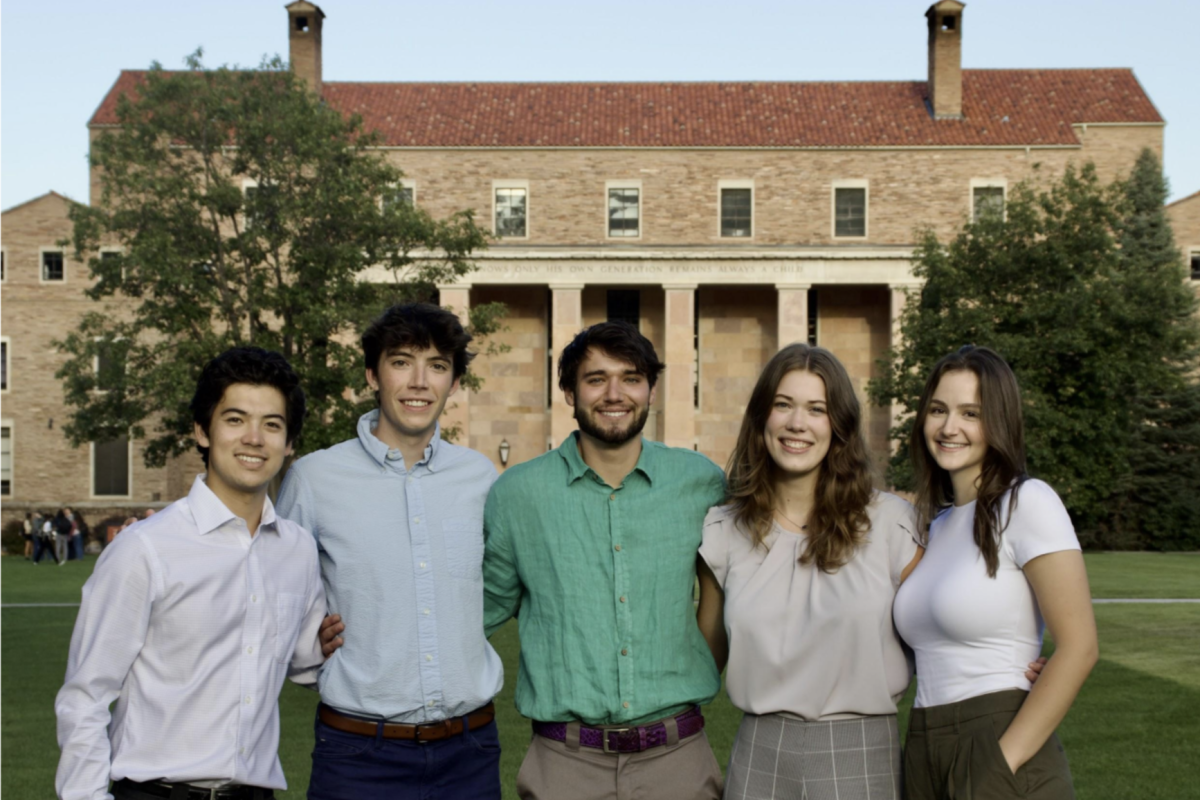
Team Members: Alex Mizzi, Maxim Kokoshinskiy, Luke Seifert, Alyssa Dixon, Madeline Todd
Project Sponsor - Tolmar
Project Description - Injectable Packaging Optimization
Team Tre is partnering with Tolmar to optimize the packaging for their Eligard injectable product. Eligard is a hormone therapy medication that uses a subcutaneous leuprolide acetate injection to lower testosterone, treating advanced prostate cancer and precocious puberty. Key design considerations in our prototype are a reduced packaging footprint, lower storage/transit cost, maintained sterile barrier, and adequate device protection.
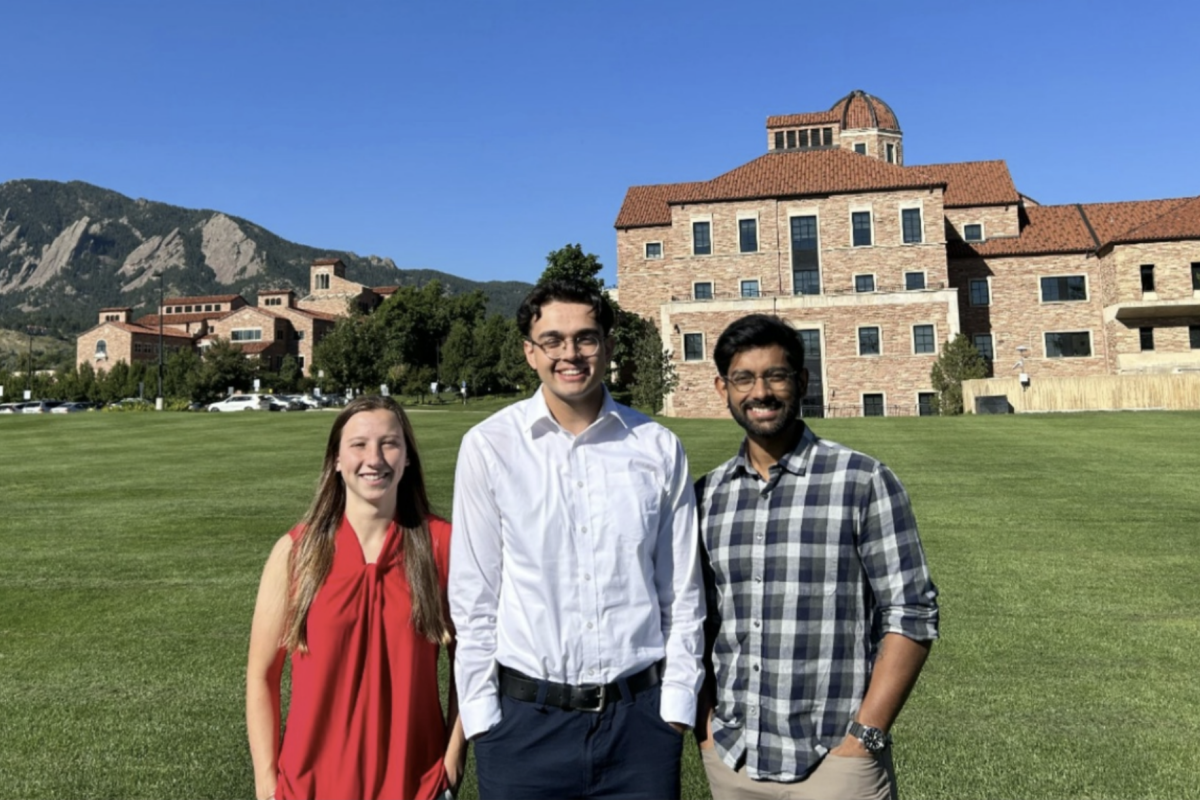
Team Members: Nikki Sims, Brandon Sullivan, Sarthak Samal
Project Sponsor - Steadman Philippon Research Institute
Project Description - Improving Image Quality in Dynamic Stereo X-ray Analysis
We are partnered with the Steadman Philippon Research Institute to improve the efficiency of the Dynamic Stereo X-ray (DSX) system. In pursuit of this goal, we developed a neural network designed to extract the bone from each X-ray frame taken by the DSX. This process enables a more efficient alignment of the bones with the 3D joint projection, thereby enhancing the overall accuracy of the 3D reconstructed joint. This method minimizes manual intervention and optimizes analyzing patient joint kinematics pre and post-surgery.
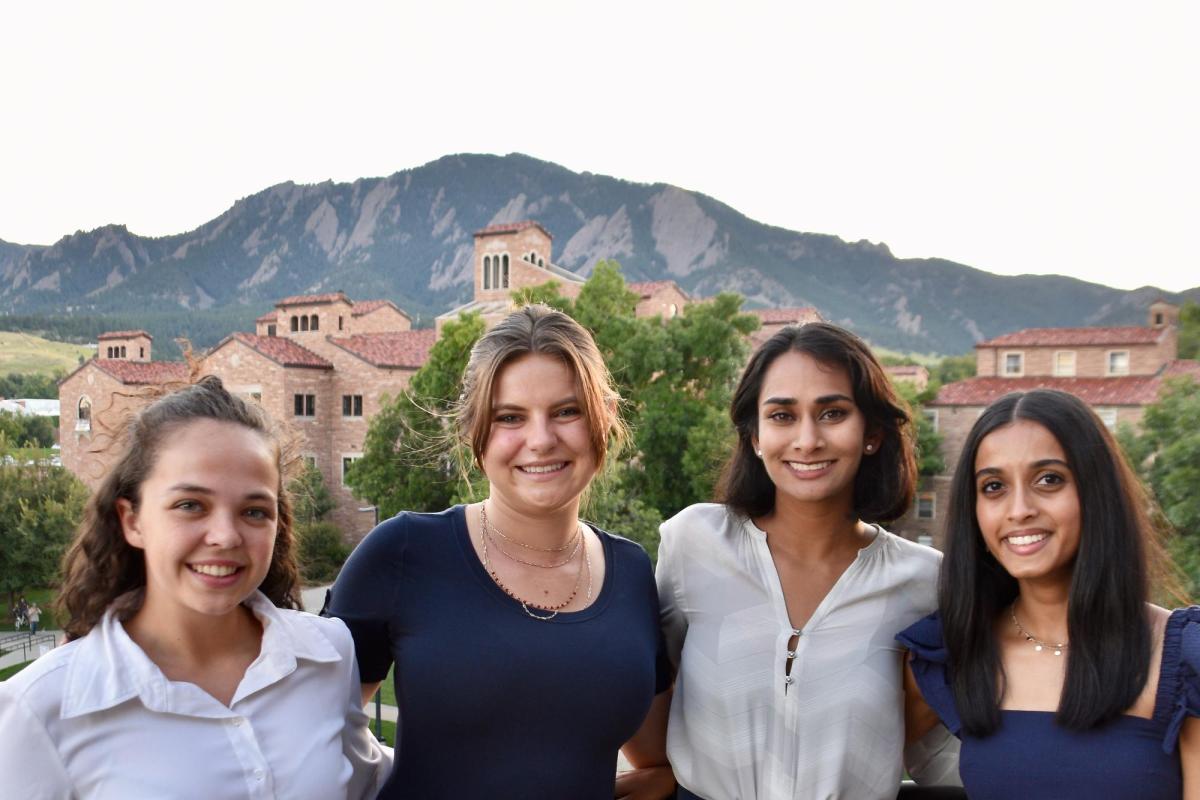
Team Members: Celeste Busch, Jordan Roos, Sonia Amin, Nidhi Ramachandra
Project Sponsor - Dark Horse Consulting Group
Project Description - Hydrogel Design Formulation for CAR T-Cell Delivery to Solid Tumors
Team CAR-T Cartel is working with Dark Horse Consulting to design & develop an innovative approach for the treatment of residual solid tumor after breast cancer tumor resection. Recognizing the limitations of current CAR-T cell therapy approved only for blood cancers, our team has designed, fabricated, and tested a hydrogel scaffold that enhances the therapy's application to solid tumors. This approach with its unique properties for maintaining cell life, aims to address the challenge of residual solid tumor treatment, offering new possibilities for improved patient outcomes.
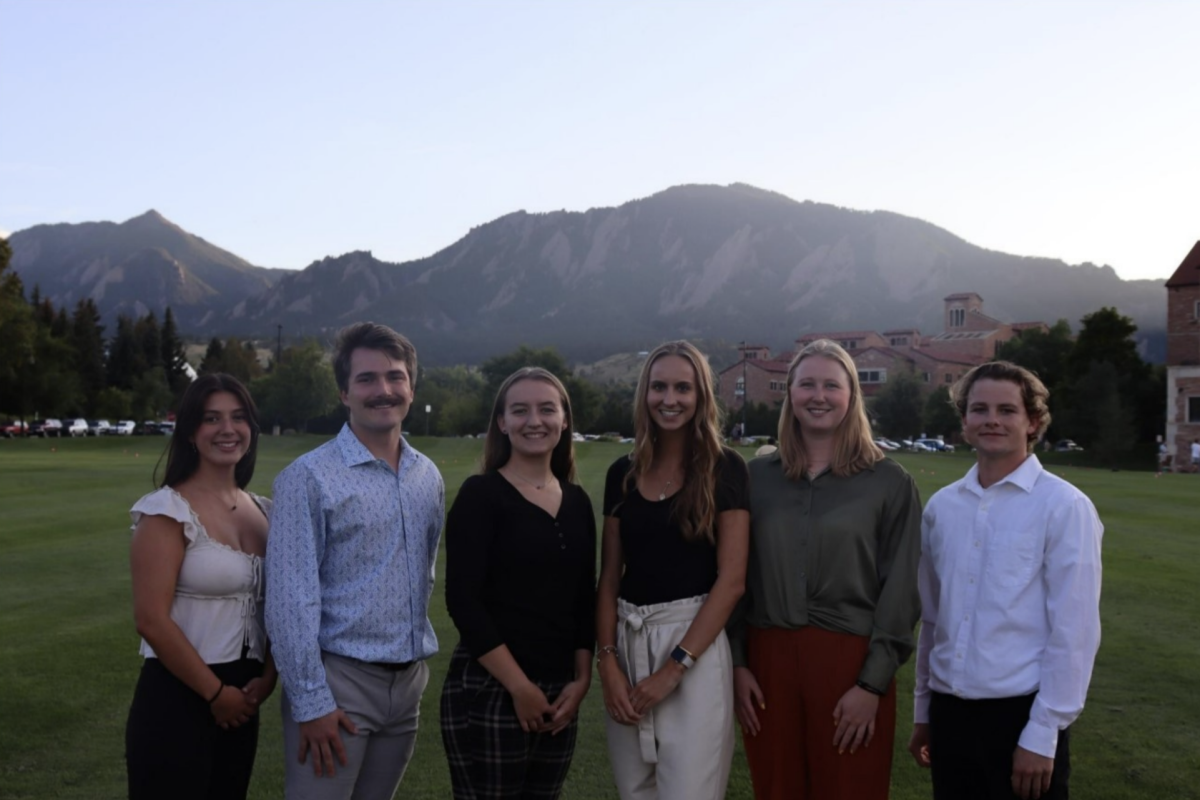
Team Members: Sam Slatcher, Jake McIntyre, Paige Caley, Keri Spitler, Ellie Goldman, Josh Jenkins
Project Sponsor - Denver Life Sciences
Project Description - Detection of Systemic Hydration
Team Hydration Detection partnered with Denver Life Sciences to develop a device that can accurately detect systemic hydration using Photoplethysmogram (PPG) sensors. The device operates similarly to a pulse oximeter, where hematocrit concentration is estimated by measuring the amount of light that is passed through the finger and absorbed by the sensor. Hydration is ultimately determined from changes in hematocrit from the user’s baseline measurements.
2024 Senior Design Award
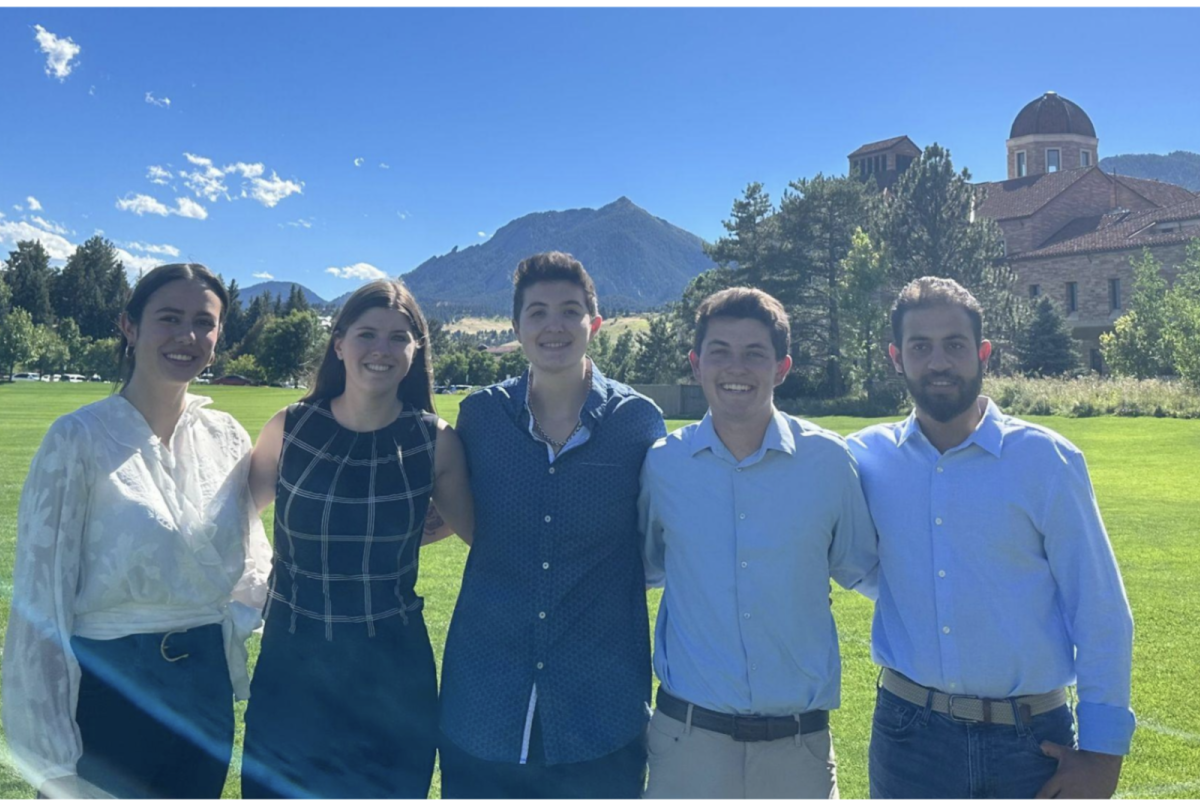
Team Members: Abby Pettigrew, Michael Shockley, Ahmed Aldhamen, Violeta Salazar, Anastasia Crews
Project Sponsor - Full Body Sound
Project Description - Electrotherapy Device
Team ShockWave partnered with Full Body Sound, a start-up company that created an electrotherapy device, the FBR-01. The FBS-01 converts audio input into electric stimulation therapy allowing users to feel music. The team's goal was to design, build, and test a lower back apparatus that integrates the FBR-01 to increase user compliance of devices, therefore mitigating chronic back pain.
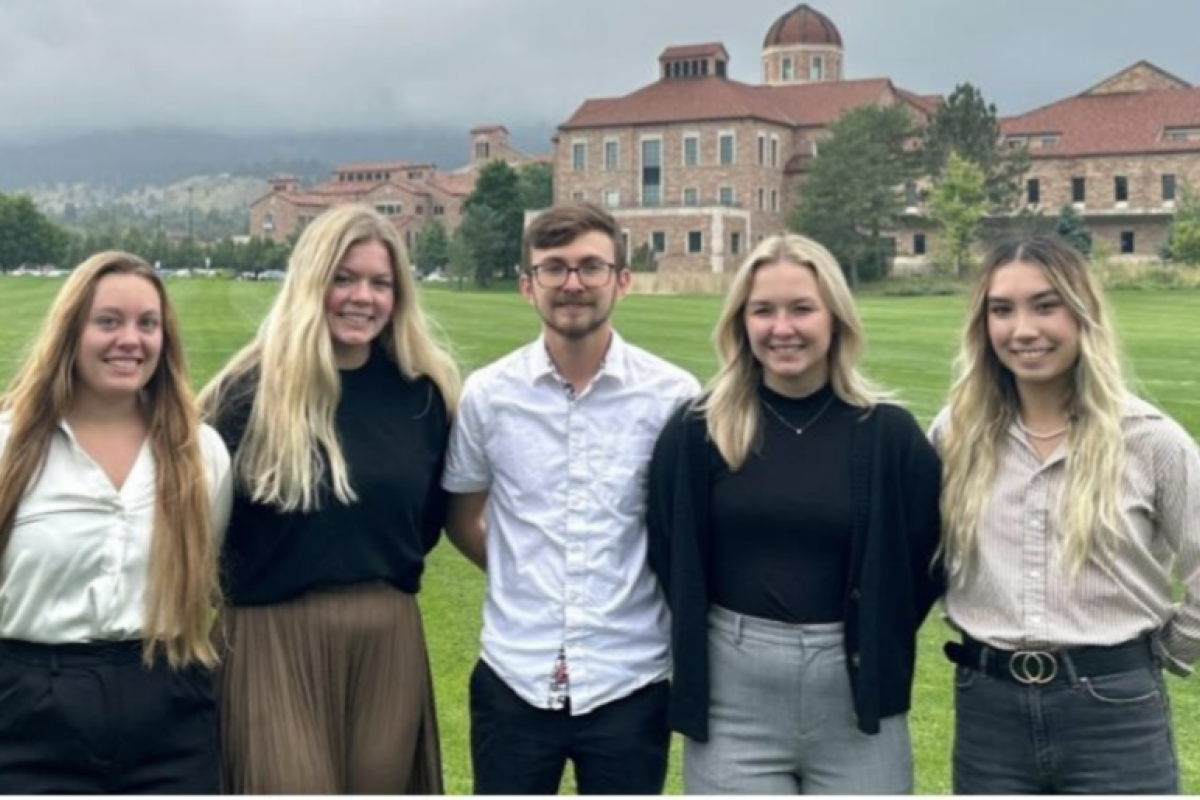
Team Members: Morgan Linger, Ella Erich, Ricardo Ramirez Bunsow, Sophie Ramsey, Emily Stamos
Project Sponsor -Terumo BCT
Project Description -
Coming soon
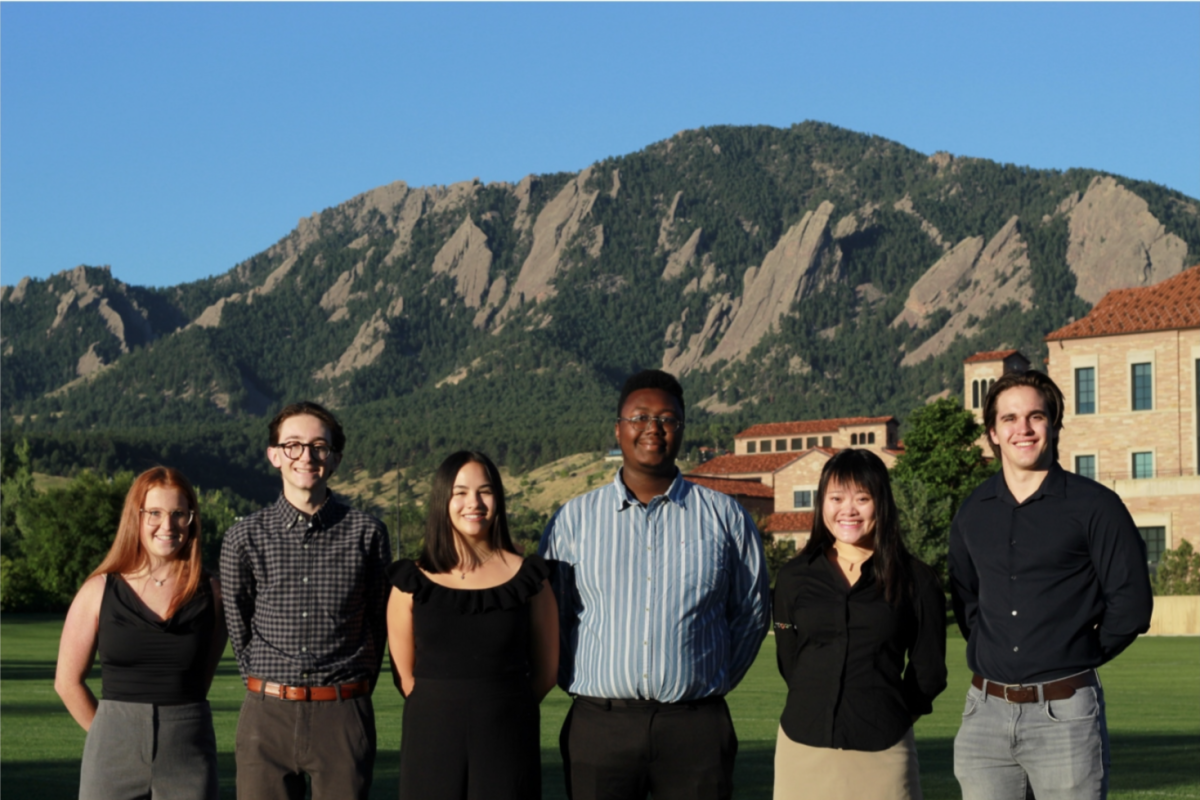
Team Members: Audrey Petersen, Jim Kelly, Sacha Ramirez, Tony House, Alexis Lee, Ethan Davis
Project Sponsor - Cardiost Inc.
Project Description – Developing Transcutaneous Energy Transfer to Power Left Atrium Unloading Device
Currently, many patients experiencing heart failure have heart pumps that require drivelines; furthermore, these drivelines causeabout 1/3 of patients to develop life-threatening infections, and they limit patient freedom, mobility, and quality of life. Team TET partnered with Cardiost Inc. to eliminate drivelines and introduce a prototype of transcutaneous (wireless) energy transfer (TET) to power an internal pump, left atrium unloading device (LAUD – Cardiost Inc.). By eliminating the driveline in current heart pump models, Team TET plans to increase patient quality of life and revolutionize the medical device market with a safe way to power implantable mechanical circulatory support devices
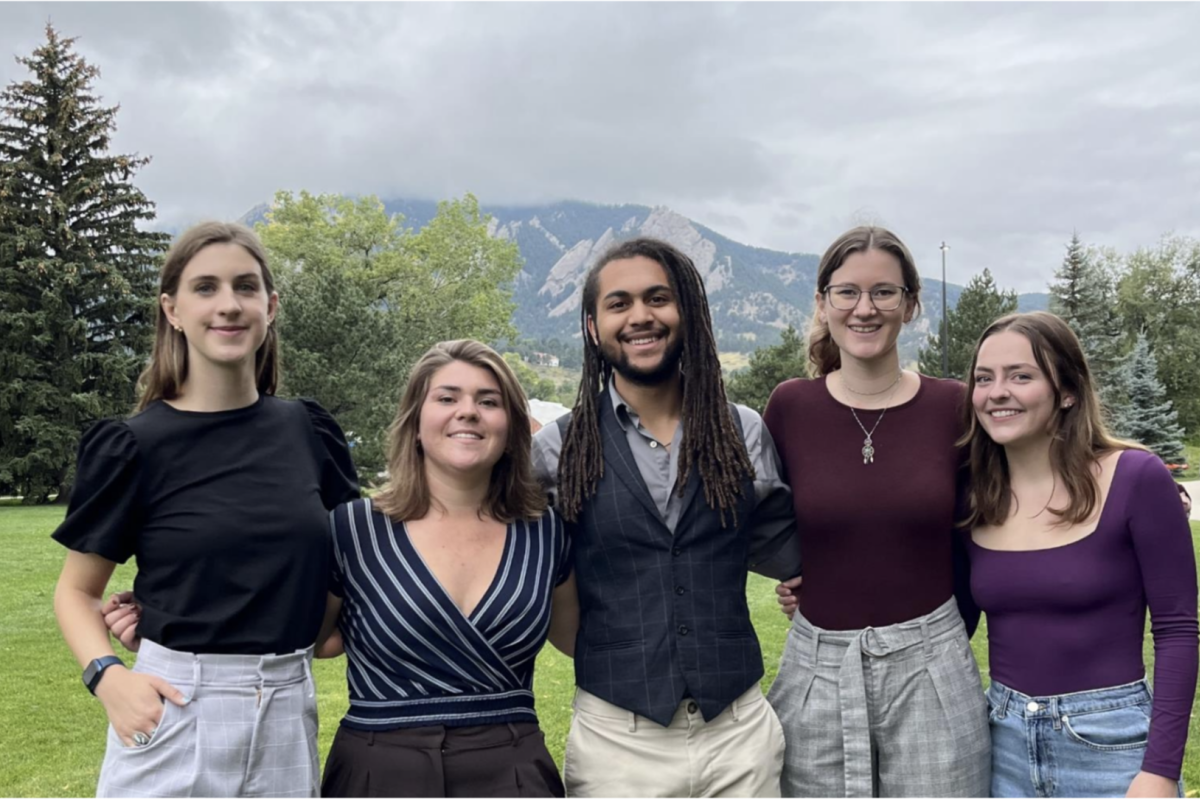
Team Members: Delaney Huetson, Sydney Talbot, Tehran Law, Evie Clarke, Bridget Linders
Project Sponsor - Hinds Lab Oregon Health Science University
Project Description – Biomaterial Benchtop Flow Testing System
Team D-BEST is working with the Hinds Lab at Oregon Health and Science University to create a benchtop system to test biomaterials under flow conditions. The Hinds Lab studies biomaterials and aims to create new materials to reduce the risk of medical device induced thrombosis. Our system consists of modular flow chambers designed to test cardiovascular device materials, endothelial cell interactions, and whole-blood clotting phenomena to further the Hinds lab efforts in cardiac health.
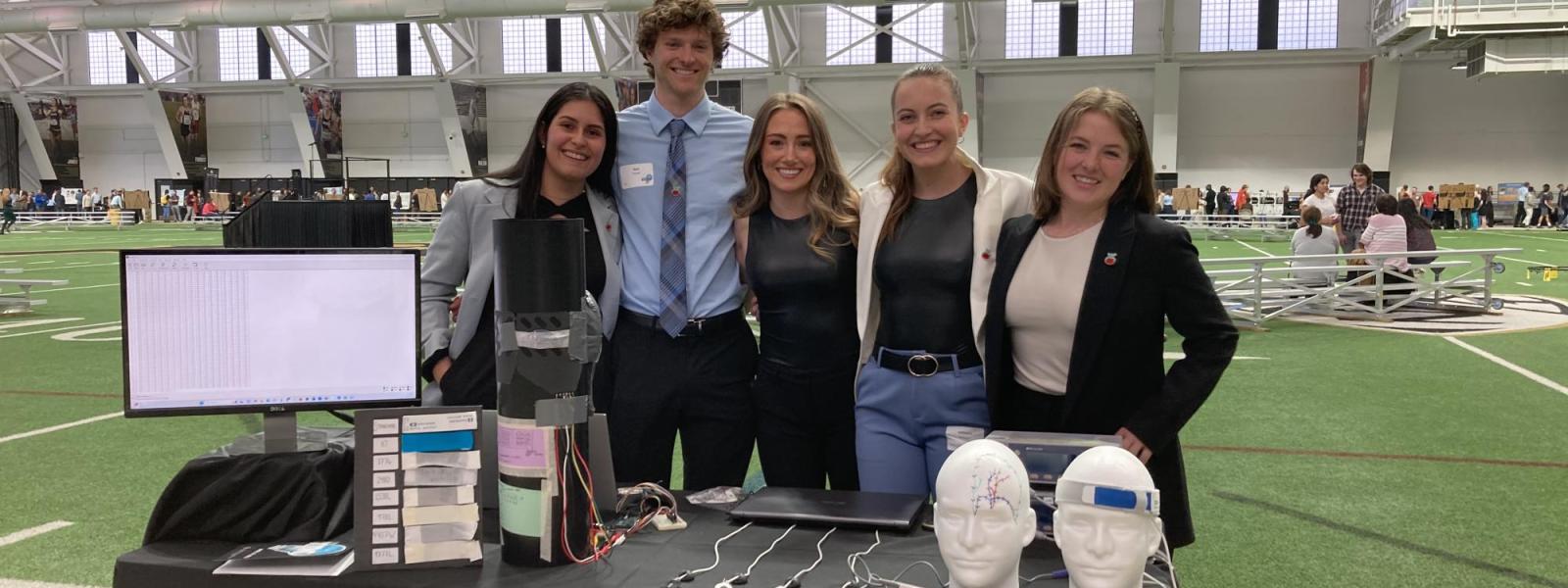
Team Members: Rasce Engelhardt, Tayloe Boeyink, Ashlyn Whitefield, Brooklyn Reddy, Marcus Vess
Project Sponsor - Input Output Global
Project Description – Device for Combatting Diminishing Attention Spans
Project Read Write partnered with Input Output Global to create a novel device for combatting diminishing attention spans and reinforcing healthy learning habits. They created a brain-computer interface which utilized EEG sensors to monitor brain activity for states of attention, alerting the user via variable haptic feedback when attention lapses. The device was made to be hidden within any headwear, adopting a discrete, flexible insert design.
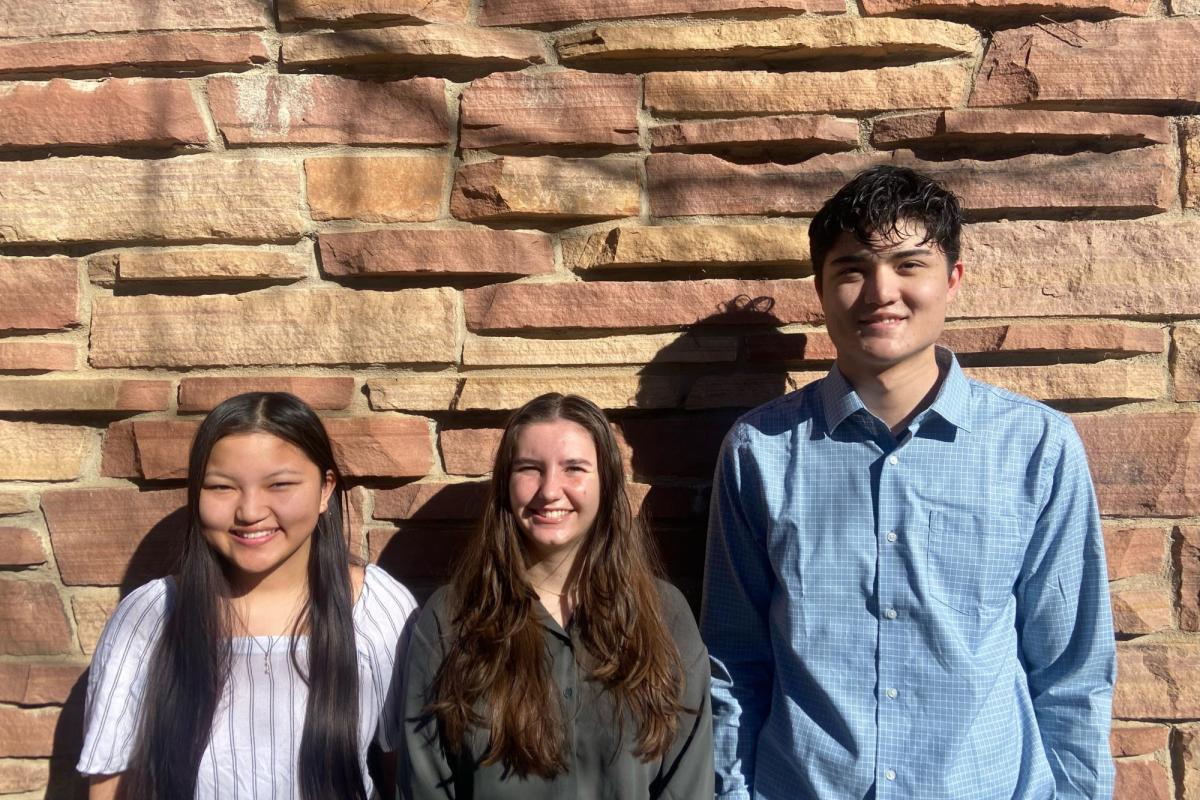
Team Members: Luke Hill, Ryann Fife, Rachel Gasser
Project Description – Sensor Assembly Automation
The goal of this project is to create a proof of concept for the automated assembly of a pulse oximetry sensor. These sensors are very widely used in the medical industry and are currently manually assembled. The team aims to automate a portion of the assembly process to show that the application of automation is possible for this sensor.
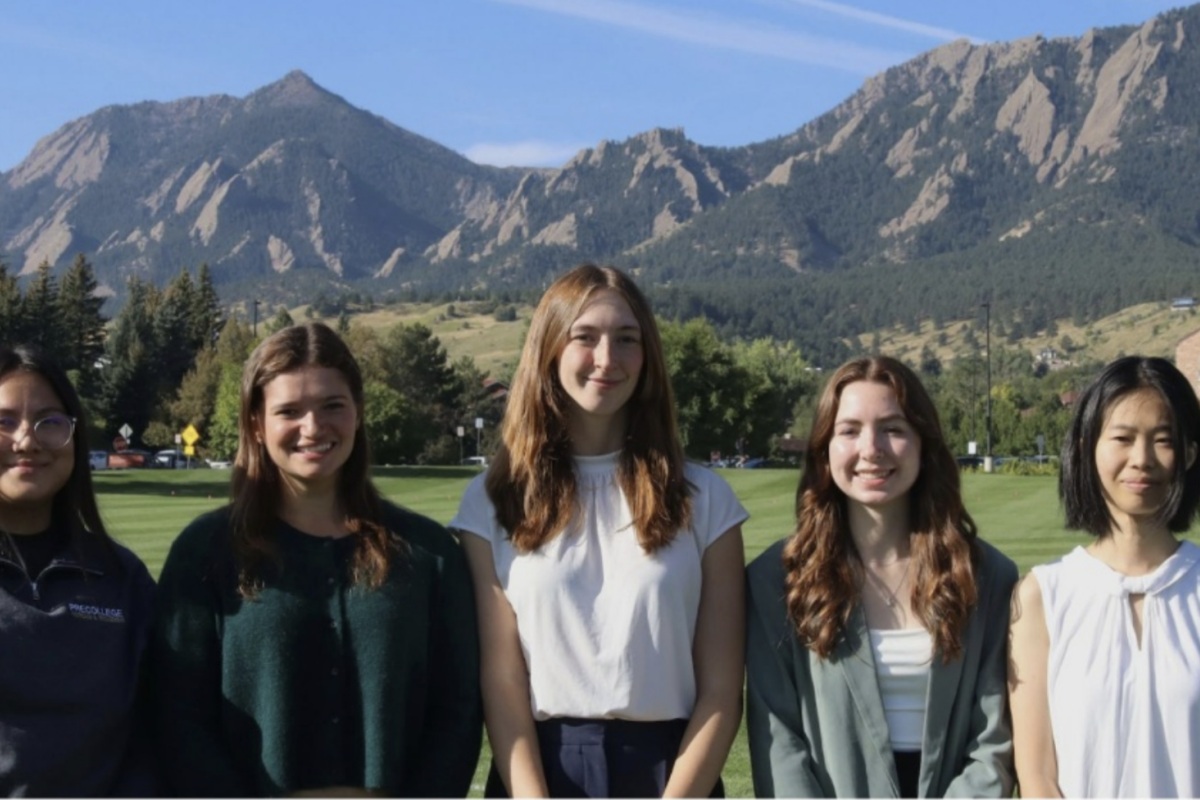
Team Members: Danielle Dresdner, Chrisanna Bertuccio, Lily Pelster, Jessica Navarro and Kelly Cao
Project Sponsor: AlloSource
Project Description: Flowable Bone Putty Dosing and Dispensing System
We have partnered with AlloSource to create a custom dosing and dispensing system for their AlloFuse® demineralized bone matrix product. This device was created for AlloSource’s lab technicians to use in their facility to dose various volumes of AlloFuse® Putty. Our objective was to optimize efficiency, ease of use, and accuracy of the device.
2025 Senior Design Projects
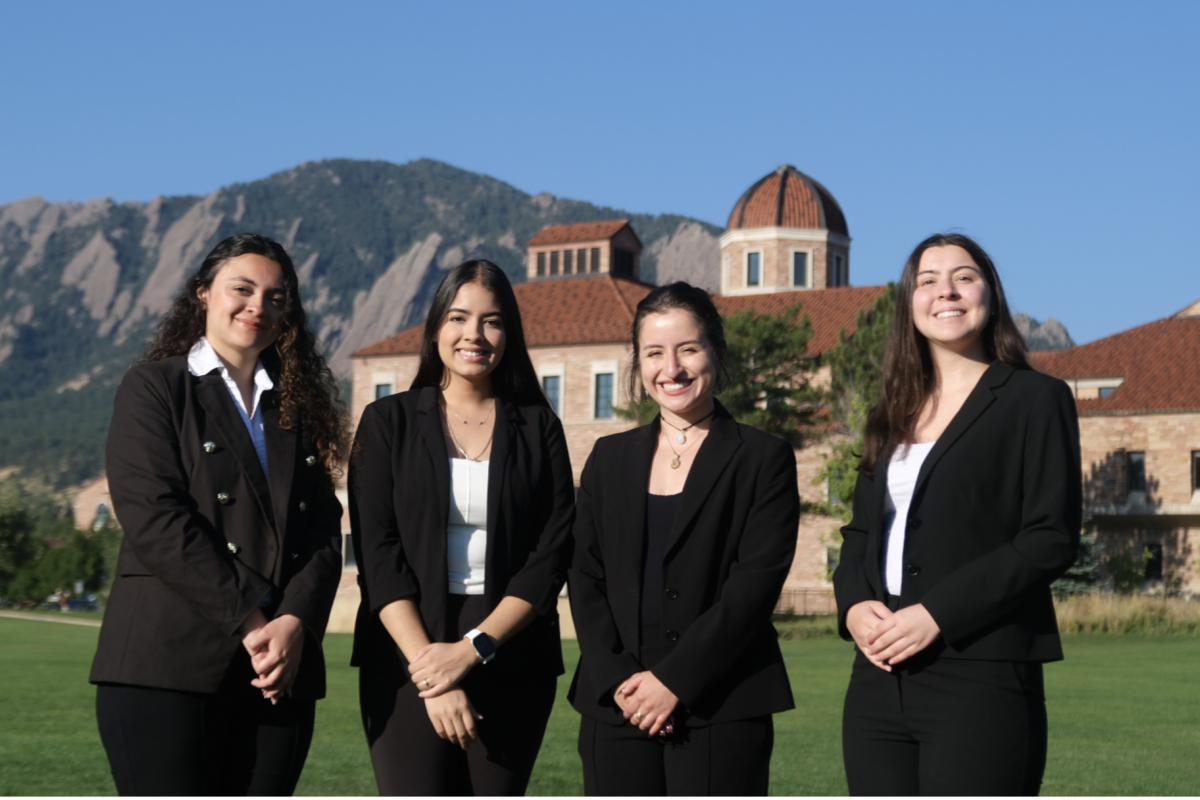
Team Members: Ariana Morales Garcia, Janeth Marquez Rubio, Amanda Fallas Zuniga, Deyla Matkovich
Project Sponsor - Hydronovo
Project Description:
Hydronovo is collaborating with CU Boulder’s Biomedical Engineering Senior Capstone Design Team 1 to design and test packaging for their innovative drug delivery system. The project supports Hydronovo's mission to develop a cutting-edge drug formulation to address Xerostomia (dry mouth), a condition commonly affecting patients undergoing radiation therapy for head and neck cancer and those with autoimmune diseases such as Sjögren’s syndrome. The team is dedicated to creating a packaging system that ensures safe transportation, complies with ISO standards, and is ergonomically compact, efficient, and user-friendly, prioritizing functionality and ease of use for patients and healthcare providers.
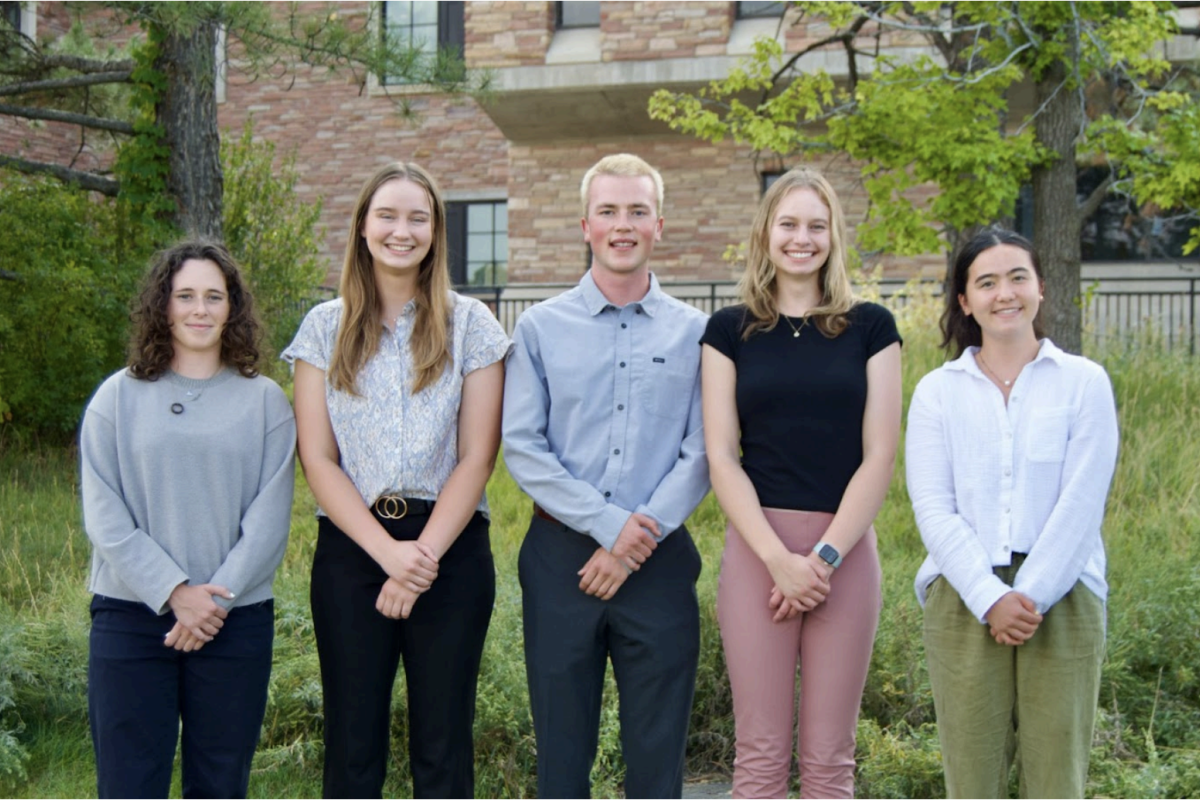
Team Members: Paloma Peters, Lindsey Heyd, Connor Gagen, Kahlea Schlegel, Karina Li
Project Description:
Pulse oximeters are applied to a patient’s skin to monitor blood oxygen saturation and heart rate, however a risk posed by these devices is pressure sores, due to increased pressures between the device and the skin. Our project tests and finds the minimum pressure needed for pulse oximeter functionality while developing design recommendations that will reduce the occurrence of pressure sore formation.
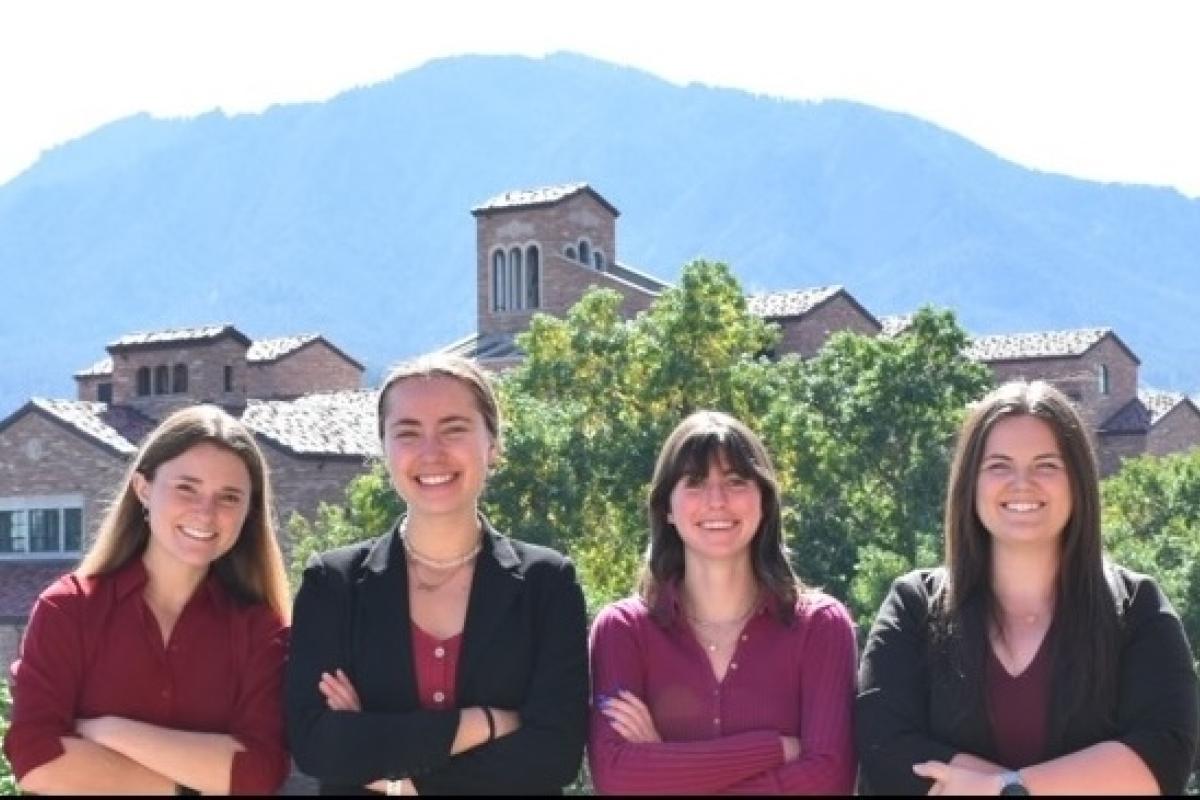
Team Members: Chloe Knape, Anna Mellizo Kroll, Clare Keeler, Rachel Haug
Project Sponsor - Full Body Sound
Project Description:
Team Resonance partnered with Full Body Sound, a start-up company that has developed a novel electrotherapy device that converts audio input into electric stimulation. The prototype, FBS-01, aims to provide non-drug pain treatment using wide-range electrostimulation coupled with established music listening habits. The team’s goal was to research, design, and test a low-cost device for measuring skin conductance that could be incorporated into the existing FBS-01 design in order to gather biometric data that could potentially be used to adjust applied voltage and intensity levels, providing a customized and enjoyable user experience.
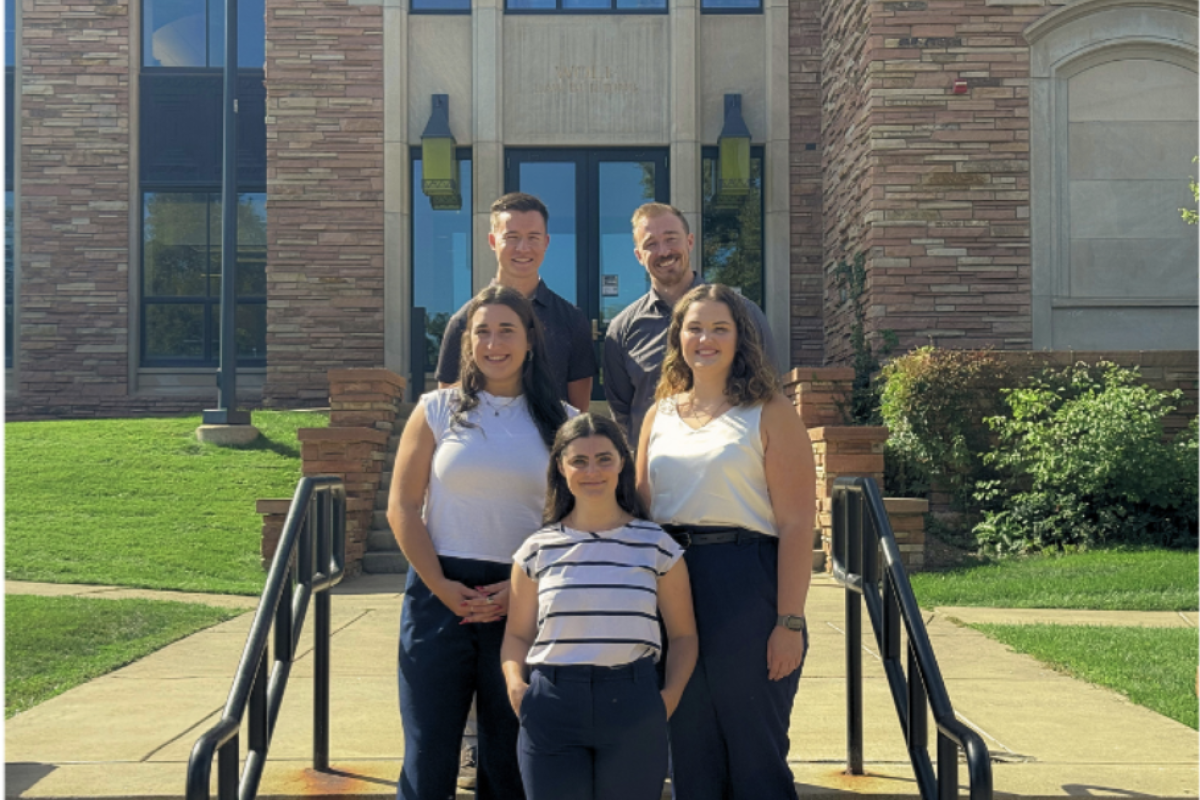
Team Members: Christian Moon, Haley Phillips, Nicole Taylor, Kloie Bautz, Jacob Fletcher
Project Description:
This project develops a custom testing fixture system to support the Sponsor's potential 510(k) submission by enabling comparative analysis between the Alloy Jaw and a predicate device. The system includes a device fixture with a collet chuck-inspired clamp and a tissue fixture with a multi-plate lock-and-groove mechanism, designed to maintain consistent tissue tension and allow precise adjustments in angle, tension, and positioning. Through iterative design and feedback, the fixtures will provide robust, reproducible data essential for regulatory compliance and marketing materials while ensuring compatibility, durability, and ease of use.
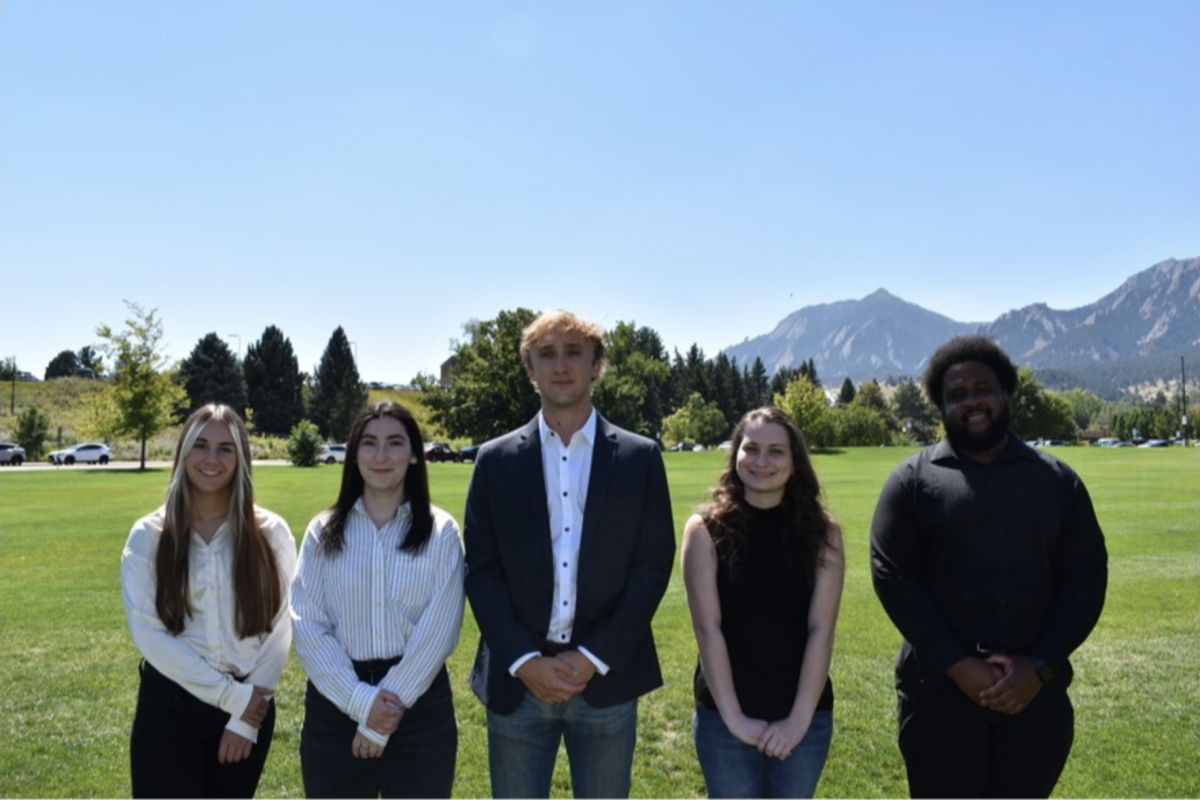
Team Members: Ariadnee Ziady, Cambria McNulla, Sam Zanotti, Zoie Nuno, Kosy Ogbonna-ukuku
Project Sponsor - Boulder Sterilization Services
Project Description:
Team 5 developed a chlorine dioxide (ClO₂) sterilization system as a safer and more environmentally friendly alternative to ethylene oxide (EO), which has faced increasing regulatory restrictions. Our system integrates advanced features such as real-time monitoring, precise parameter control, and safety mechanisms such as leak detection and automated shutdowns to ensure both effective and safe operation. Using a Raspberry Pi-powered interface, we created a user-friendly, commercially viable solution to address the growing demand for sustainable sterilization methods in the medical industry.
2025 Senior Design Award
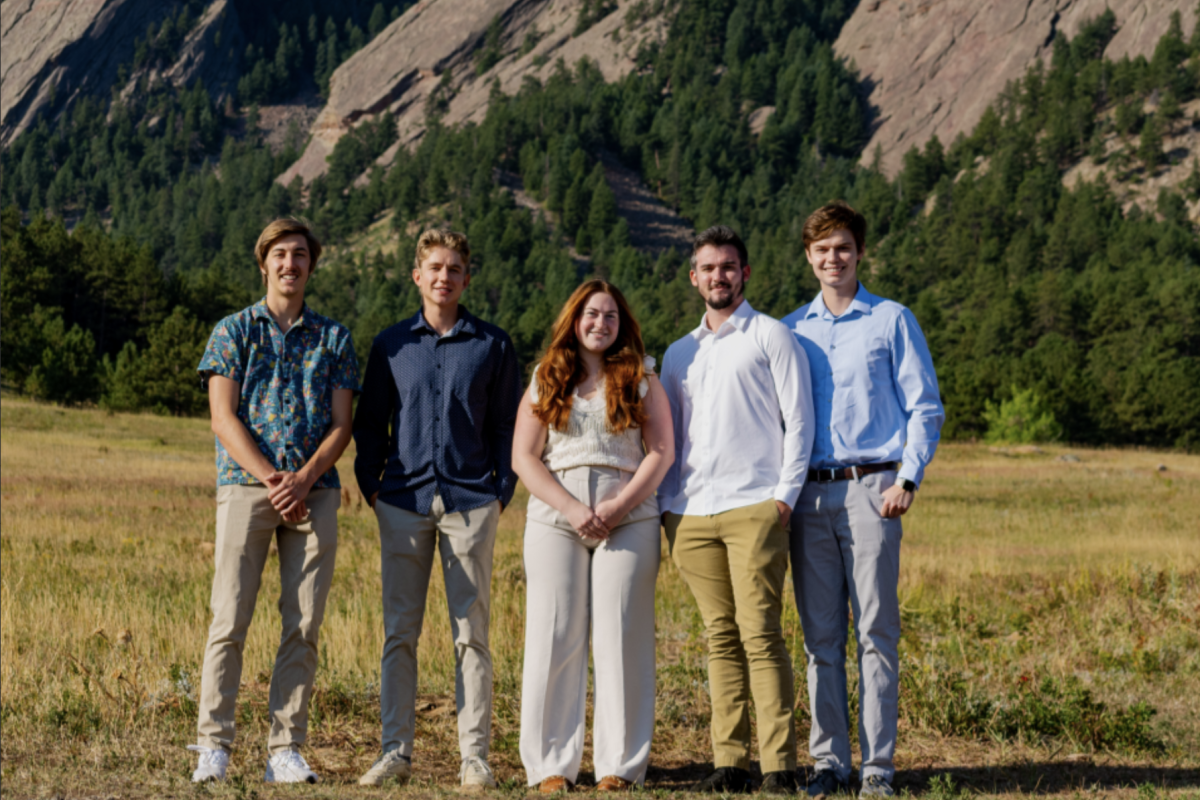
Team Members: Creighton Tisdale, Andrew Swanson, Elizabeth Root, Devon Mckeon, David Katilius
Project Sponsor - CONMED
Project Description:
Team ABC is partnered with ConMed to expand functionality of their Argon Beam Coagulator handheld device and module. ABC uses ionized argon gas to achieve hemostasis in a surgical environment, offering a non-contact, precise method of tissue coagulation. We are developing control algorithms that determine argon and RF power delivery to a handheld surgical coagulation device, as well as a novel handheld device design focusing on human factors to improve surgical performance, and in turn, patient outcomes.
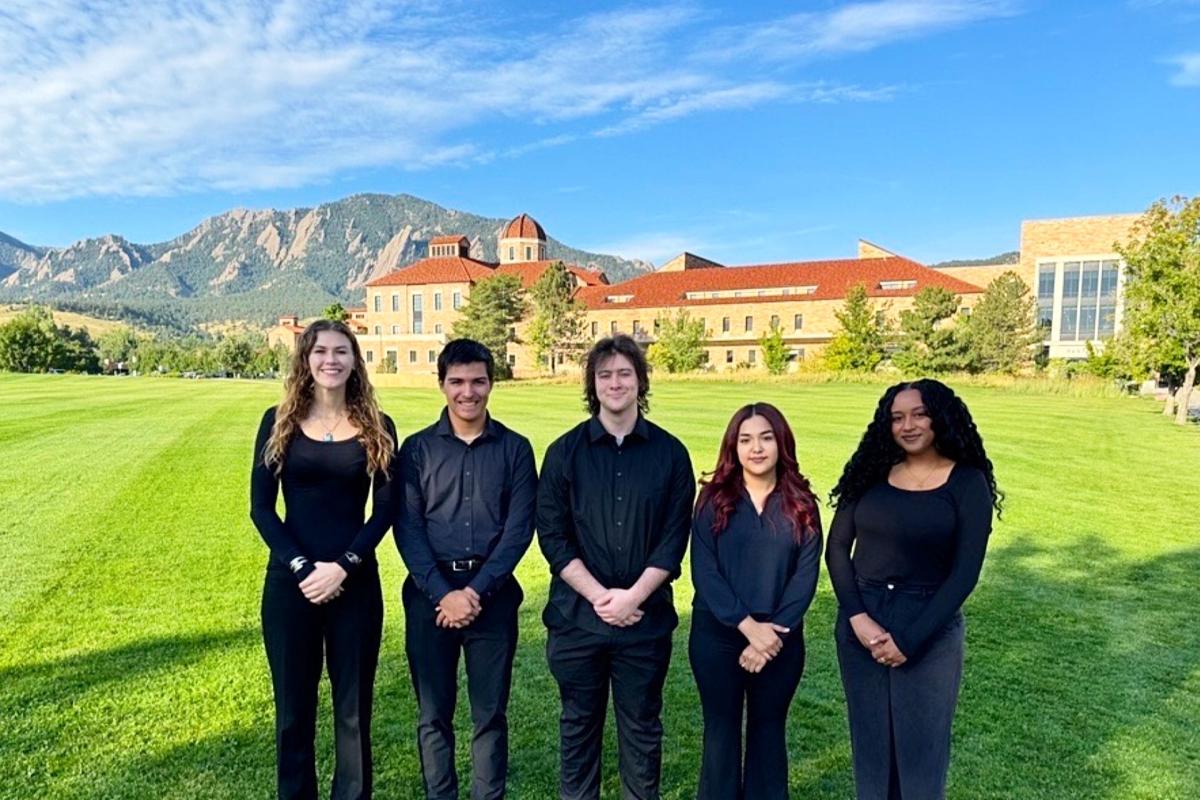
Team Members: Hailey Jenks, Seanan Kelly, Andrew Mongin, Guadalupe Ramirez, Fishion Yohannes
Project Description:
Team 7’s project aims to design a test apparatus that will stress a reflectance-based pulse oximeter sensors to their limits, thereby enhancing their sensor design. By integrating an oscillating surface into the test fixture, the goal is to simulate patient pulse readings compatible with a broader range of pulse oximeter devices. The team’s incorporation of colored and grayscale filters, along with adjustments to sensor distances, reflects a patient-simulator approach that accurately modulates key parameters such as SpO2, percent modulation, and IR NaV, ensuring a robust and reliable system
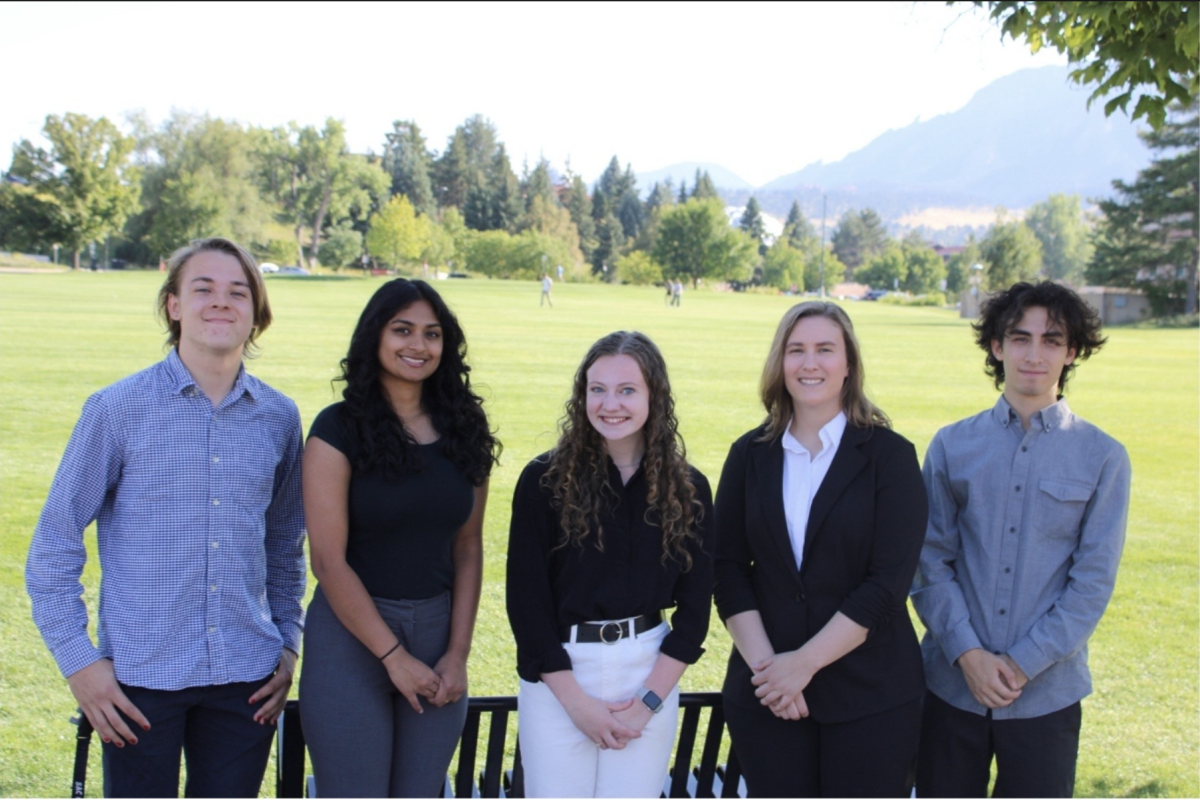
Team Members: Parker Bonen, Meenakshi Skandarajan, Julia Keefe, Ellie Huettel, Brendan Naranja
Project Sponsor - St. Joseph's Hospital
Project Description:
Team Infinity is working with Dr. Gerard Salame of St. Joseph's hospital to create a catheter bag urine output monitoring system. Urine output is a crucial variable to monitor, but doing so takes extensive nursing hours and is highly prone to human error. To address this, the team is designing a novel automatic weight-based sensing system paired with a phone app that calculates urine output at customizable intervals and displays the data in real-time. This solution enhances efficiency, accuracy, and patient care while streamlining the workflow for healthcare providers.

Team Members: Ali Jesaitis, Vincent Idnani, Bailey Geisel
Project Sponsor - Boulder IQ
Project Description: Continuous Monitoring System for Ethylene Oxide
Our team has partnered with Boulder IQ to develop a continuous ethylene oxide (EtO) monitoring system to be used for the detection of EtO levels in medical device sterilization chambers to certify Boulder iQ is operating within the new EPA guidelines. EtO is a common sterilizing agent known to be a human carcinogen with serious short- and long-term effects. The monitoring system is designed to maintain a constant record of EtO concentrations in the chambers and provide real time audiovisual alerts if unsafe thresholds are passed.
Team Members: Drew Aparicio, Julia Flynn, Wes Doyle, Eva Burns
Project Sponsor - Cardiost
Project Description:
Team FML has partnered with Cardiost Inc. to design and develop a fully magnetic levitating (FML) motor for their left atrium unloading device (LAUD). Designed for patients with late-stage heart failure with preserved ejection fraction (HFpEF), the LAUD is a long-term implantable mechanical circulatory support pump that performs a partial derivation of blood flow from the left atrium into the descending aorta to alleviate the workload of a weakened heart. The FML motor will drive the LAUD’s impeller without physical cotact, reducing blood shear stress and mechanical wear to improve biocompatibility and device longevity.
Team Members: Daimean Solis, Bibek Shrestha, Rachel Beem, Srishti Jerath, Andy Tran, Cassidy Allen
Project Sponsor -Cardiost Inc.
Project Description:
Team TET 2.0, in conjunction with Cardiost Inc., is aiding in designing a wirelessly powered Left Atrial Unloading Device (LAUD), enhancing cardiac output for patients with diastolic heart failure (HFpEF) by reducing left atrial pressure. The team has advanced the technology by minimizing the printed circuit board (PCB) size, optimizing device functionality, and improving coil design for efficient power transfer. This innovative system, incorporating both internal and external components, significantly reduces infection risks compared to Left Ventricular Assist Devices (LVADs) by eliminating the need for external catheters.
Team Members: Gavin Channell, Hayden Tomazin, Julia Ingram, Bridget Antreasian, Eve Koester
Project Sponsor - TissueForm
Project Description:
Team 12 is working with the CU startup TissueForm to create an improved mixing method for their NatruLage flowable biomaterial. NatruLage requires two components to be mixed, which then crosslink together for articular cartilage repair, among other uses. Our goal is to design an efficient and effective mixing system for these components, while minimizing material loss in the process.
Team Members: Derek Peters, AJ Ashoury, Brendan Harrington, Niki Kosuri
Project Description: Volatile Organic Compound Bench Mount
Team Kapnós worked to evaluate the efficacy of RapidVac™ ULPA Filters in removing volatile organic compounds (VOCs) from electrosurgical plumes. The RapidVac™ Smoke Evacuator System is designed to capture and filter harmful particulates generated during surgical procedures, improving air quality and safety in operating rooms. To achieve this, the team developed a test bench fixture utilizing advanced electrochemical sensors and calibration techniques to quantify filter performance against key gases such as formaldehyde, ammonia, and carbon monoxide.

Team Members: Toby Bernotat, Giovanni Llaury, Nihal Pandra, Radhika Patel
Project Sponsor - Meddux Development Corp
Project Description: Predictive Modeling for Laser Cut Hypotubes
Team 14 is partnering with Meddux Development Corp to develop a predictive modeling program to assess the mechanical properties of laser-cut hypotube catheters, specifically evaluating longitudinal, torsional, and flexural rigidity. Previous modeling programs are designed to predict the performance of catheters, but not laser cut hypotubes- using the cut specifications, an engineer can predict how these hypotubes will perform under stresses and strains as they navigate the body. This development is essential for advancing catheter design, impacting medical procedures that require precise navigation through complex anatomical paths.