


News Headlines
 For one teaching assistant professor of Classics, learning Latin “is like lifting weights for your brain“ and a field people love.
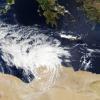 Researchers analyzed satellite data and models to find dam failures—not rainfall—led to increased flood damage in Derna, Libya, in 2023.
 Mahmoud Hussein is leading a $7.5 million research grant that is “probably the most radical conceptual advancement for airplanes since the replacement of propellers with jets.”
 A new study from Chloe Brashear, Tyler Jones and others suggests abrupt warming events were preceded by periods of unusually stable temperatures during the last ice age. The researchers point toward shifting sea ice as a potential driver of the phenomenon.
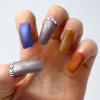 A new kind of press-on nails comes in all shapes and colors—and when you’re done with them, you can melt them down and reuse the materials to make your next look.
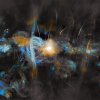 In new images, scientists have gotten the closest look yet at Sagittarius C—a “stellar nursery” where clouds of gas and dust have collapsed to form thousands of new stars.
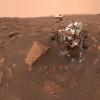 Inhaling dust particles from the Red Planet over long periods of time could put humans at risk of developing respiratory issues, thyroid disease and other health problems.
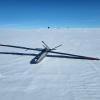 A CU Boulder-led study measured water vapor in Greenland’s air, collecting data crucial for improving climate models and forecasting Arctic changes.
 Professor Emeritus Keith Maskus explains the economic principle of a tariff and gives his take on what businesses and the average consumer may experience if President Donald Trump fulfills his tariff-related campaign promises.
 The historic Fram2 mission will explore how astronauts get motion sickness and what they can do about it.