


News Headlines
 CU Boulder research suggests its possible for the Kenyan Olympian to shave about 8 seconds off her time with the help of pacers.
 CIRES-led research used big data to analyze more than 500 river basins—burned and unburned—to create and analyze the first large-scale dataset of post-fire water quality.
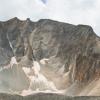 Rock glaciers are everywhere—at least in the Colorado Rockies. New research from Robert and Suzanne Anderson investigates how they formed and what benefits they might provide for alpine ecosystems.
 For the past six years, Professor Sherri Tennant and team have worked in Denver with students who experience economic disadvantages and use augmentative and alternative communication systems.
 CU Boulder has established the Colorado Space Policy Center—designed for original research; discussion and debate on space policy issues; educational programming and more.
 A $2.5 million donation will establish a new endowed professorship in space policy and law, with broad implications for national security, global communications, navigation, weather forecasting and international collaboration.
 Chemical manufacturing is an energy-intensive industry; a team of chemists is designing a technique that could power the necessary reactions with sunlight or LEDs. Read from CU expert Arindam Sau and Colorado State University colleagues on The Conversation.
 CU Boulder's Mortenson Center in Global Engineering & Resilience is building a new model for global water access, one that is grounded in a deep understanding of why so many past efforts have fallen short.
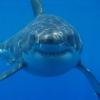 Fifty years after "Jaws" made swimmers flee the ocean, CU Boulder cinema scholar Ernesto Acevedo-Muñoz explains how the 1975 summer hit endures as a classic.
 Edward Chuong is one of five researchers nationwide awarded funding to pursue "daring, paradigm-shifting research" on cancer immunotherapy treatment.